Pack Smart for Japan
Amit Sharma
| 14-10-2026
 · Travel Team
Picture yourself strolling beneath Kyoto's cherry blossoms, exploring Tokyo's neon-lit streets or admiring the snow-covered mountains of Hokkaido. Japan promises unforgettable experiences, but packing for a country with such varied landscapes and weather conditions requires careful planning.
The climate differs considerably between regions, and local customs can influence everything from your choice of footwear to the size of your suitcase.
Whether you're visiting during spring, summer or winter, these practical tips will help you pack efficiently, stay comfortable and avoid unnecessary expenses.

Choose Comfortable, Versatile Clothing
Japan is famous for its distinctive fashion, particularly in Tokyo, where street style ranges from minimalist elegance to bold, experimental outfits.
Turquoise lagoons, mysterious caves and breathtaking mountain views: discover one of Laos's most exciting destinations.
Rainforest, volcanoes and tropical beaches await. Discover accessible experiences and how much to budget for your trip.
What makes Gombe special? See its wild chimpanzees, tropical forests, and beautiful Lake Tanganyika views!
Planning a Chicago outing? Get tips for enjoying lake views, scenic paths, and waterfront stops!
Planning a nature getaway? Get to know Batang Ai's lush forests, peaceful waters, and local heritage!
Land stay or cruise? Compare ways to visit the Galápagos Islands and plan your dream adventure!
For everyday sightseeing, comfortable, versatile clothing is the most practical choice.
Lightweight trousers, casual shirts, breathable dresses and easy-to-layer pieces work well for exploring cities and visiting cultural attractions.
Visitors are generally free to dress according to their preferences, although respectful clothing is advisable when entering temples, shrines and other traditional settings.
Choose outfits that also allow you to sit comfortably on the floor, particularly if you plan to visit traditional restaurants or stay in a ryokan.
Japan
What To Pack For Each Season
Spring: March to May
Cherry blossom season brings beautiful scenery and changeable temperatures. Pack a lightweight waterproof jacket, comfortable walking shoes and layers for cooler mornings and evenings.
A compact umbrella is useful for unexpected showers.
Summer: June to August
Japanese summers can be extremely hot and humid, particularly in major cities.
Temperatures frequently exceed 30°C, making breathable fabrics, sunscreen, sunglasses and a sun hat essential.
The rainy season usually affects much of the country between June and July, although its timing varies by region.
Autumn: September to November
Autumn is ideal for exploring Japan's colourful landscapes. Bring comfortable layers, a light jacket and rain protection.
Typhoons can still affect parts of the country during early autumn, so monitor local weather forecasts.
Winter: December to February
Winter conditions vary dramatically across Japan.
Tokyo and Kyoto experience chilly weather, while Hokkaido and mountainous regions receive substantial snowfall.
Pack a warm coat, thermal layers, gloves and a scarf. Waterproof, insulated boots are especially useful for snowy destinations.
Bring Shoes That Are Easy To Remove
Removing shoes before entering certain buildings is an important Japanese custom.
Traditional inns, private homes, some restaurants and cultural attractions may require visitors to leave their footwear at the entrance.
Slip-on shoes make this process much easier.
Bring several pairs of clean socks, as you may occasionally walk indoors without shoes.
If slippers are provided, remember that they should generally be removed before stepping onto tatami mats.
Comfort is equally important. Exploring Japan often involves extensive walking, navigating large railway stations and climbing stairs.
Don't Forget These Travel Essentials
A few compact items can make everyday travel considerably easier.
Cash and a coin purse: Useful for small purchases, lockers and locations that do not accept cards.
Portable charger: Essential for long days of navigation, photography and translation.
Compact umbrella: Convenient during sudden showers.
Small hand towel: Helpful in public toilets where hand-drying facilities may be limited.
Reusable shopping bag: Practical for purchases and carrying small items.
eSIM or mobile data plan: Useful for maps, train schedules and translation apps.
Plug adaptor: Japan primarily uses Type A electrical sockets.
Japan's electricity supply operates at 100 volts. Check that your electronic devices support this voltage, as some appliances may require a voltage converter.
Travel Light Between Japanese Cities
Japan's railway network makes travelling between destinations remarkably convenient, but carrying oversized luggage through busy stations can be challenging.
Hotel rooms may also offer limited storage space.
A medium-sized suitcase or practical travel backpack is often sufficient for a multi-city holiday.
For longer journeys, consider using a luggage-forwarding service. Companies such as Yamato Transport can deliver suitcases between participating hotels, allowing you to travel with a smaller overnight bag.
Some Shinkansen services require reservations for oversized baggage, so check the applicable rules before travelling.
What Can You Leave At Home?
Japan has an extensive network of convenience stores, pharmacies and shopping centres where everyday necessities are readily available.
Avoid filling your suitcase with items that can easily be purchased after arrival.
Consider leaving behind:
Large bottles of shampoo, conditioner and shower gel.
Excessive quantities of clothing.
Heavy shoes unsuitable for long walks.
Unnecessary electronic devices.
Bulky accessories that take up valuable luggage space.
Leave room for souvenirs, Japanese skincare products, traditional crafts and packaged local specialities.
Prepare For Your Specific Itinerary
Your packing list should reflect the activities you have planned.
For mountain hiking, bring appropriate footwear, weather protection and any necessary safety equipment.
For a beach holiday in Okinawa, pack swimwear, sun protection and lightweight clothing. If you're visiting traditional hot springs, check the facility's rules in advance, particularly regarding tattoos and bathing etiquette.
Travellers carrying prescription medication should also verify Japan's import requirements before departure, as some medicines are restricted or require additional documentation.
Final Checklist Before Departure
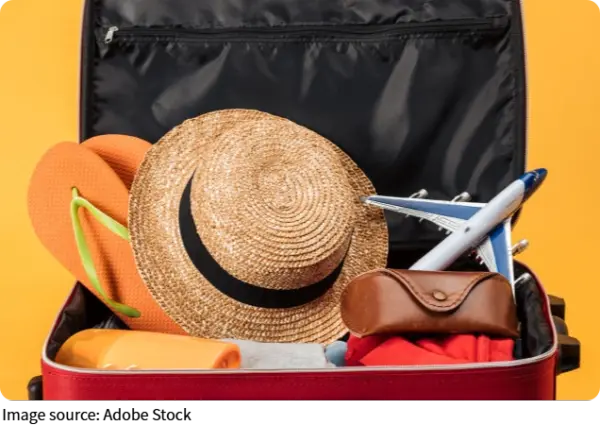
Before leaving home, double-check your passport, any required visa or entry documents, payment cards, travel insurance, essential medication and electronic devices. Download useful maps and travel information in advance, and confirm that your mobile phone will work in Japan. Most importantly, choose practical items that suit the season, your destinations and your planned activities.
A thoughtfully packed suitcase will make your journey smoother, leaving you free to enjoy Japan's fascinating cities, beautiful landscapes and unforgettable cultural experiences.