Gombe Park Adventure!

Naveen Kumar
| 14-10-2026
 · Travel Team
Situated in western Tanzania along the shores of Lake Tanganyika, Gombe National Park is a remarkable destination for wildlife enthusiasts.
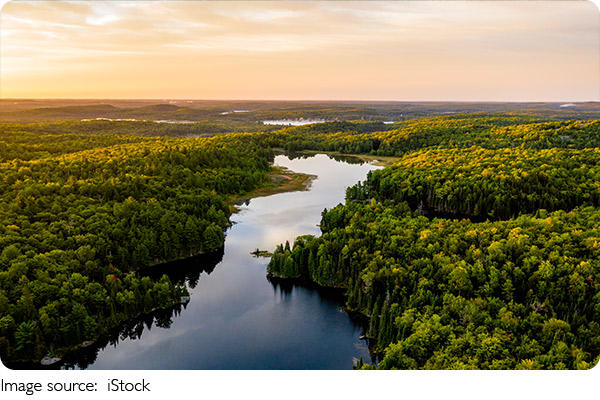
Unlike many African parks known for open plains and vehicle-based safaris, Gombe offers a forest experience where visitors travel on foot beneath a canopy of towering trees.
How to Reach Gombe National Park
Kigoma is the main gateway to Gombe. Air Tanzania has operated flights between Dar es Salaam and Kigoma, while rail services have also connected the two locations. Flight schedules and train availability should be checked before arranging the trip. From Kigoma, visitors travel by boat from the fishing village of Kibirizi to reach the park.
Why Is Gombe Famous?
Planning a Chicago outing? Get tips for enjoying lake views, scenic paths, and waterfront stops!
Planning a nature getaway? Get to know Batang Ai's lush forests, peaceful waters, and local heritage!
Land stay or cruise? Compare ways to visit the Galápagos Islands and plan your dream adventure!
Can choosing the right time be more important than crossing the bridge itself?
Can one neighborhood save you hours of walking in Valencia?
From hidden neighbourhoods to spectacular desert escapes, discover the unwritten rules that make visiting Las Vegas unforgettable.
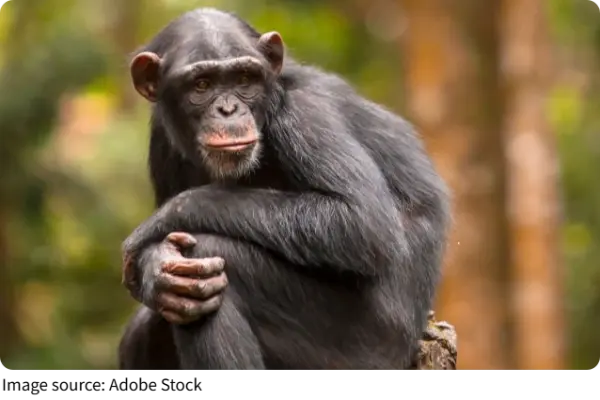
Jane Goodall began studying chimpanzees in Gombe in 1960 after being encouraged by paleontologist Louis Leakey. Her observations revealed important details about chimpanzee social relationships, behavior, and tool use. At the time, the ability to use tools was widely regarded as a defining human characteristic. Goodall's research challenged that assumption and helped establish new approaches to studying wildlife in natural habitats.
What to Expect During a Chimpanzee Trek
Most visits begin with a guided walk through dense forest, accompanied by a park ranger or experienced guide. The trails pass through shaded vegetation, where birds, insects, and other forest sounds create an immersive natural setting. A stop at the Kasekela Research Centre provides a connection to the location where Goodall's research began. From there, guides help visitors search for chimpanzee communities familiar with human observers.
Some groups may be encountered within an hour, while others can require several hours of trekking to locate. Sightings depend on where the chimpanzees are moving that day, so patience and flexibility are essential. Once the animals appear, visitors should remain calm, avoid sudden movements, and follow the guide's instructions. Camera flashes should be avoided, and wildlife should never be approached or touched.
Gombe National Park
When Is the Best Time to Visit?
June through October is generally the most suitable period for visiting Gombe. The drier weather usually makes forest paths easier to navigate and can improve opportunities for observing chimpanzees. Rain becomes more frequent from around mid-October, with November through May bringing wetter conditions. Muddy trails, high humidity, and heavier showers can make trekking more demanding. Chimpanzees may also spread across more distant parts of the forest.
What Should You Pack?
Comfortable, sturdy hiking boots with good ankle support are essential because visitors spend much of their time walking over uneven terrain. Waterproof footwear can be particularly useful during rainy periods. Other useful items include:
- Lightweight, long-sleeved clothing to help protect against insects and vegetation.
- A waterproof jacket for sudden downpours.
- A hat for protection from sun and rain.
- Binoculars for observing wildlife from a suitable distance.
- Drinking water and a small daypack for carrying essentials.
Places to Visit Nearby
Mahale Mountains National Park, farther south along Lake Tanganyika, offers another opportunity to observe chimpanzees in a forest environment. Its mountainous scenery and challenging terrain provide a different experience from Gombe. The nearby town of Ujiji is another possible stop. Visitors can learn about the area's exploration history at the Livingstone Memorial Museum and see exhibits connected to the region's past.
Where to Stay
Mbali Mbali Gombe Lodge is the accommodation option described inside the park. It offers safari-style tents with private bathrooms beneath the trees near Lake Tanganyika. Another option is the Tanzania National Parks rest house near the main entrance, which provides simple rooms. Booking ahead is advisable, particularly during the drier months when trekking conditions are generally more favorable.
Gombe National Park offers a distinctive Tanzanian adventure centered on forest trekking, wild chimpanzees, and an influential history of wildlife research. With guided walks, lakeside accommodation, and access by boat, reaching the park requires careful planning. For travelers interested in primates and natural habitats, the experience provides a memorable perspective on Tanzania beyond its better-known savannah landscapes.