Batang Ai Adventure!

Ravish Kumar
| 14-10-2026
 · Travel Team
Located in Sarawak, Malaysian Borneo, Batang Ai National Park offers an opportunity to experience a quieter side of the rainforest.
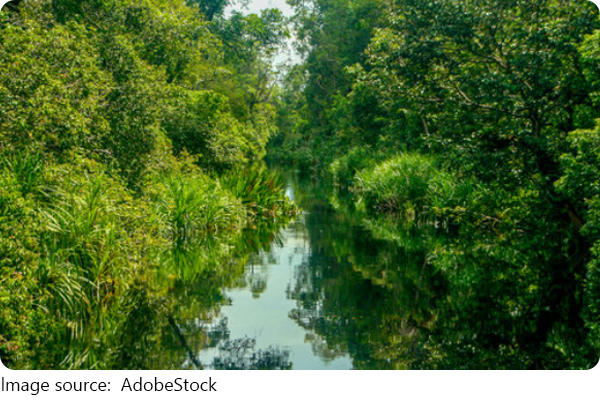
Far from busy tourist areas, this remote destination is known for its dense vegetation, river landscapes, wildlife, and Indigenous Iban communities.
Where Is Batang Ai?
Batang Ai forms part of the Heart of Borneo, a conservation landscape shared by Malaysia, Brunei, and Indonesia. The surrounding protected areas include Lanjak-Entimau Wildlife Sanctuary and forests extending toward Indonesia’s Betung Kerihun National Park.
From Kuching, Sarawak’s capital and the location of the nearest airport, the journey takes approximately four to five hours by road, covering around 280 kilometers. Visitors then continue by boat for another one to one and a half hours. Because regular public boat services are unavailable, arranging transportation through an organized tour is generally the most practical option.
Land stay or cruise? Compare ways to visit the Galápagos Islands and plan your dream adventure!
Can choosing the right time be more important than crossing the bridge itself?
Can one neighborhood save you hours of walking in Valencia?
From hidden neighbourhoods to spectacular desert escapes, discover the unwritten rules that make visiting Las Vegas unforgettable.
Discover Perth in two days: riverside gardens, museums, Fremantle's historic streets, with practical tips and euro prices.
Explore Madrid's most captivating neighbourhoods, from historic squares and artistic streets to elegant shops and local cafes.
When Is the Best Time to Visit?
March through October is generally the more favorable period for hiking and boat trips. July and August typically receive less rainfall, although showers can occur throughout the year. The wetter months usually fall between November and February. Travel remains possible, but slippery trails and heavy rain can make outdoor activities more challenging. Orangutans may also be harder to spot during particularly wet conditions.
Top Activities in Batang Ai
Look for Wild Orangutans
One of the main attractions is the opportunity to observe orangutans living in their natural environment. The forests around Batang Ai National Park and Lanjak-Entimau Wildlife Sanctuary support a significant portion of Sarawak’s orangutan population.
Wildlife sightings are never guaranteed. However, visitors may encounter signs of their presence, including abandoned nests high in the trees and fruit remains on the forest floor. Spending several days in the area can provide more opportunities for observation.
Batang Ai National Park
Travel by Longboat
A longboat trip across Batang Ai Lake and along the Delok and Batang Ai rivers reveals changing views of forest-covered shores, small islands, and narrow waterways. Some guided excursions also include visits to secluded waterfalls, where guests can enjoy the peaceful setting and learn about local food traditions. The boat journey is an attraction in its own right, even without a wildlife sighting.
Hike Through the Rainforest
The Red Ape Trail network offers routes ranging from day hikes to demanding five-day, four-night expeditions. Local guides lead visitors through humid forest terrain while sharing knowledge about the surrounding ecosystem. Longer guided trekking packages start at approximately US$429 per person for a group of four. The price includes meals, accommodation, guides, boat transfers, and transportation to and from Kuching.
Experience Iban Community Life
The Iban are among Sarawak’s largest Indigenous communities. Their traditional longhouses feature a shared covered veranda known as a ruai, where residents can work, socialize, and spend time together. Visits arranged respectfully through local operators offer opportunities to learn about traditional architecture and daily life. Guests should follow their hosts’ guidance and respect community customs and privacy.
What to Pack
Bring sturdy hiking shoes, quick-drying clothing, loose hiking trousers, sunscreen, and mosquito repellent. Lightweight long-sleeved shirts are useful for protection during exposed boat journeys. Rubber shoes, locally known as Adidas kampung, can also be practical on muddy rainforest paths. Pack only what is necessary, as wet conditions and boat transfers can make bulky luggage inconvenient.

Batang Ai National Park suits travelers seeking rainforest scenery, guided hikes, river adventures, and meaningful encounters with local communities. Reaching the area requires time and planning, but a stay of at least two nights allows visitors to experience more of its natural surroundings. For wildlife enthusiasts, adding extra days may offer more opportunities to observe orangutans in the wild.