Galápagos Trip Guide!

Mason O'Donnell
| 14-10-2026
 · Travel Team
Located about 600 miles west of mainland Ecuador, the Galápagos Islands are celebrated for their unusual wildlife, volcanic landscapes, and clear Pacific waters.
Much of the archipelago is protected, making it an exceptional destination for observing animals in their natural habitats.
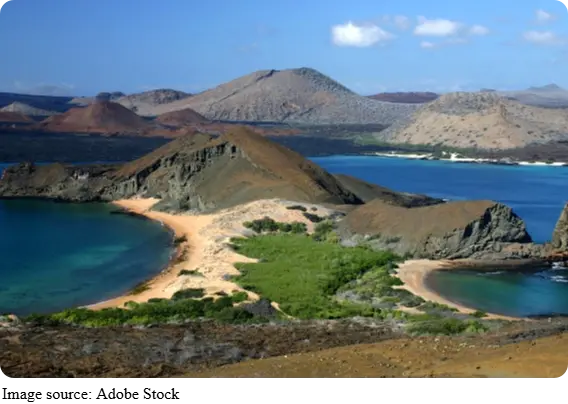
Option One: Explore by Cruise
Expedition cruises are ideal for visitors hoping to cover more ground in a limited time. Smaller vessels travel between islands, often overnight, allowing passengers to wake up near a new destination. Daily schedules may include guided walks, snorkeling, kayaking, wildlife observation, and educational talks. Equipment and meals are generally provided, and guides organize visits to designated sites. Since access to many protected areas is regulated, excursions follow specific routes and schedules.
Can choosing the right time be more important than crossing the bridge itself?
Can one neighborhood save you hours of walking in Valencia?
From hidden neighbourhoods to spectacular desert escapes, discover the unwritten rules that make visiting Las Vegas unforgettable.
Discover Perth in two days: riverside gardens, museums, Fremantle's historic streets, with practical tips and euro prices.
Explore Madrid's most captivating neighbourhoods, from historic squares and artistic streets to elegant shops and local cafes.
Discover one of Canada's most enjoyable rail journeys, with scenic landscapes, comfortable travel and practical tips for saving money.
Cruises can reach remote islands that are difficult or impossible to visit on a day trip from a hotel. Española, known for its waved albatrosses during the nesting season, and Genovesa, famous for its seabird colonies, are examples of destinations commonly associated with expedition itineraries.
Option Two: Stay on Land
A hotel-based trip gives visitors greater control over their daily plans. Travelers can arrange guided excursions on selected days and spend the remaining time swimming, snorkeling, visiting local businesses, or relaxing. Puerto Ayora, on Santa Cruz Island, is a convenient base with accommodation, restaurants, shops, and access to tour operators. From here, organized day trips can visit islands such as North Seymour, South Plaza, Bartolomé, and Santa Fe, subject to availability and park regulations.
Galápagos Islands
Visitors can also explore the Santa Cruz highlands, where giant tortoises roam protected areas, or visit the Charles Darwin Research Station to learn about conservation work. Staying on land may offer more affordable accommodation, although tour fees, meals, transfers, and other expenses accumulate. Budget around US$50–150 per night for accommodation and US$150–300 per person for selected full-day boat excursions as general planning estimates.
Which Option Is Better for Wildlife?
Both travel styles offer opportunities to observe the archipelago's distinctive animals. Possible sightings include marine iguanas, Galápagos penguins, frigatebirds, sea lions, and giant tortoises. A cruise generally provides access to more distant locations in less time. A land-based itinerary, meanwhile, makes it easier to revisit favorite places and enjoy wildlife encounters at a slower pace. Sightings are never guaranteed, regardless of the option chosen.
Practical Planning Tips
Book early: Cruise cabins and popular day tours have limited availability.
Compare inclusions: Check whether meals, transfers, equipment, and guided activities are covered by the quoted price.
Prepare for boat travel: If prone to seasickness, ask a healthcare professional about suitable preventive options.
Respect wildlife: Keep a safe distance from animals and follow guides' instructions.
Protect the environment: Stay on permitted trails and avoid touching wildlife or removing natural objects.
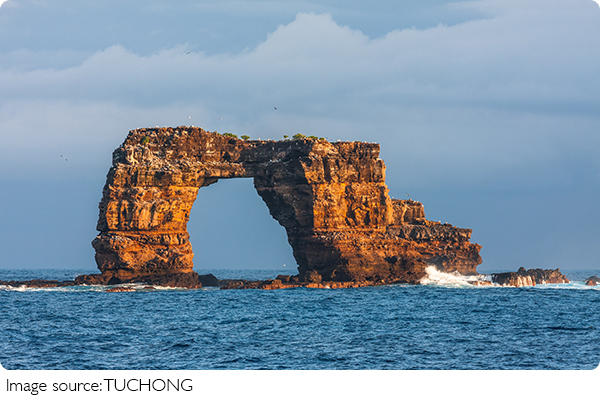
The best way to experience the Galápagos depends on your priorities. Choose a cruise for efficient travel between remote islands and a structured program of guided activities. Choose a land-based stay for greater independence, flexible days, and more opportunities to experience local island life.