Orchids Bloom Again

Caleb Ryan
| 16-10-2026
 · Plant Team
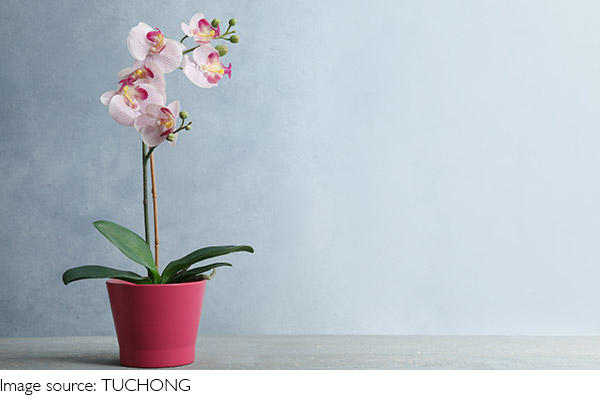
When our beautiful orchids finish blooming, do we really need to say goodbye to them? Not at all! With proper care, a Phalaenopsis orchid can grow fresh leaves, develop healthy roots, and produce flowers again.
Instead of discarding it after the blooms fade, we can help it recover by following four simple steps: pruning, watering, feeding, and adjusting light.
Prune Flowers and Refresh the Medium
Flowering requires a lot of energy, so an orchid may look tired when its blooms fade. We should give it time to recover rather than expect new flowers immediately.
First, remove wilted flowers and inspect the flower spike. If it has turned completely brown and dry, trim it near the base with clean pruning shears. If it remains green, leave it for now or trim it carefully above a healthy joint. This keeps the plant tidy while allowing us to focus on new growth.
How Can We Keep Sunflowers Fresh Longer? Try These Simple Florist Tips for Brighter, Longer-Lasting Blooms
Scientists reveal how tropical trees evolved a remarkable survival strategy that could inspire future drought-resistant crops.
A practical guide to caring for this striking tropical houseplant and its distinctive, textured foliage
Easy to grow and stylish indoors, pothos brings lush greenery with very little fuss!
Want healthier golden pothos? Learn simple watering, light, pruning, and feeding tips today!
Urban parks may look green, yet missing shrubs and small trees could be leaving both wildlife and people with poorer spaces.
Next, check the growing medium. Ordinary garden soil is unsuitable because orchid roots need air and good drainage. Orchid bark and sphagnum moss are common choices. When repotting, gently remove the old material and inspect the roots. Trim soft, dark, or decaying sections with clean tools, then place the plant in a container with drainage holes. Choose a container that fits the root system without squeezing it.
Water Carefully
Phalaenopsis orchids enjoy warmth and humidity, but their roots cannot stay constantly wet. Too little water may leave leaves limp, while excessive watering can cause root damage.
Rather than watering every day, check the growing medium first. When it has become mostly dry, water thoroughly and allow the excess to drain. Do not leave the container sitting in collected water. Adjust the frequency according to room temperature, humidity, and the type of medium.
Dry indoor air can also affect the plant. We can use a room humidifier or place a shallow tray of water and pebbles nearby, keeping the container above the waterline. Good air circulation is important, especially in humid conditions. Avoid leaving water trapped between the leaves, as this may encourage problems.
Feed with Care
After flowering, the orchid needs nutrients to support new leaves and roots. Once it has settled after repotting and shows signs of active growth, we can begin using an orchid-specific fertilizer.
Follow the label and use a diluted solution rather than applying a concentrated dose. Too much fertilizer may damage delicate roots and affect leaf health. Regular, gentle feeding during active growth is generally more helpful than giving the plant a large amount at once.
If we use a general-purpose fertilizer, check that it is suitable for orchids and follow its dilution instructions. Reduce feeding when growth slows, and avoid fertilizing a severely stressed plant until it has begun to recover. Healthy roots and firm leaves are useful signs that our care routine is working.
Provide Suitable Light
Although orchids are often considered shade-loving plants, they still need enough light to grow. Bright, indirect light is usually ideal. A window with a sheer curtain can provide suitable conditions, and a location that receives gentle morning sunlight may also work well.
During spring, the plant often begins producing new leaves, so keep it in a bright place without exposing it to strong midday sun. If the leaves develop pale patches or look scorched, move the container farther from direct sunlight.
When summer temperatures rise, choose a cooler, well-ventilated location. As the weather cools again, continue providing bright light and maintaining a balanced watering routine. Suitable seasonal conditions can encourage a new flower spike to emerge, although the timing varies from plant to plant.

Final Thoughts
An orchid that has finished blooming can still bring beauty to our homes for years. By pruning carefully, managing water, providing gentle nutrients, and adjusting light with the seasons, we can help it regain strength and prepare for another flowering cycle.
Be patient, because some plants need several months to recover. Watch for healthy roots, fresh leaves, and steady growth rather than expecting flowers right away. Do you have an orchid waiting to bloom again? Share which care step works best for your plant and what you hope to see in its next flowering season.
How to Make Orchids Bloom AGAIN! (Simple 4-Step Care Guide)
Video by thedailyECO