Golden Pothos Care!

Caleb Ryan
| 16-10-2026
 · Plant Team
Golden pothos is a popular choice for indoor spaces because it combines attractive heart-shaped leaves with relatively simple care needs.
Its trailing growth can work beautifully on a shelf, tabletop, or hanging display, while its ability to tolerate less-than-perfect conditions makes it approachable for beginners.
Choose the Right Growing Setup
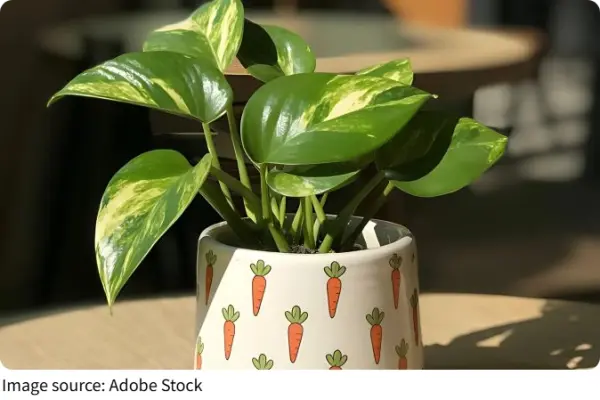
Start with a healthy plant showing firm leaves and fresh growth. When moving it into a new container, choose one only slightly larger than its current growing space. A container with drainage holes is important because excess moisture needs an easy way to escape.
A standard indoor growing mix can work well for golden pothos. A loose, well-draining mixture is preferable to dense material that remains wet for extended periods. If the roots eventually fill the available space, move the plant into a slightly larger container rather than making a dramatic size increase.
Urban parks may look green, yet missing shrubs and small trees could be leaving both wildlife and people with poorer spaces.
Growing lotus at home? Get practical tips for water levels, sunlight, planting, and everyday care!
Planting more trees is not always better for the planet. Discover why protecting natural grasslands could be just as important.
Scientists traced wheat and barley evolution to find genes that may help crops survive climate change.
Why do some plant surfaces wrinkle? New research links cell growth direction and stiffness!
Ancient trees, layered canopies and decaying wood may be more important to forest biodiversity than the mountains beneath them.
Give It Suitable Light
Golden pothos adapts to a range of indoor lighting conditions, but bright, indirect light is generally the best choice. A location near a window can provide enough brightness without exposing the leaves to intense direct sunlight. Lower light will not necessarily cause the plant to fail, but growth may become slower. Variegated leaves can also become less pronounced when the plant receives insufficient light. Moving it gradually toward a brighter area can help maintain its characteristic markings.
Water According to the Soil
One of the most important parts of golden pothos care is avoiding constantly wet growing material. Rather than following a strict calendar, check the moisture level before watering.
Allow the upper portion of the growing mix to dry before giving the plant another thorough watering. When watering, apply enough water to moisten the mix evenly, then allow excess water to drain away. Any water remaining beneath the container should be drained rather than allowing the roots to sit in it.
The plant may need more frequent attention in brighter, warmer conditions because moisture disappears faster. In a darker or cooler location, the growing mix may remain damp for longer. Yellowing leaves combined with persistently wet soil can indicate that watering is too frequent.
Shape the Trailing Growth
Golden pothos naturally produces long stems, making it suitable for trailing displays. If the goal is a fuller appearance, regular pruning can encourage new growth from remaining sections of the stem. Use clean, sharp scissors when cutting. A long or sparse stem can be shortened just above a leaf node, allowing the remaining portion to continue developing. Pruning also provides useful cuttings for propagation.
Propagate New Plants
Golden pothos is particularly convenient to propagate from stem cuttings. Select a healthy section of vine containing at least one node, which is the small point where a leaf and roots can develop. For water propagation, place the cutting in a clean glass or container, with the node below the water surface and the leaves above it. Position the cutting in bright, indirect light and replace the water when it becomes cloudy or unclean.
Feed During Active Growth
Fertilizer can support new growth during spring and summer. A balanced houseplant fertilizer can be used according to the manufacturer's directions. There is little benefit in applying excessive fertilizer. Too much can build up around the roots and cause problems, so following the product instructions is more important than feeding heavily.
Watch for Warning Signs
The leaves can provide useful clues when something is wrong. Drooping foliage can indicate that the plant needs water, while yellow leaves may appear when the growing mix stays excessively wet. If yellowing continues despite adjustments to watering, inspect the roots. Healthy roots should not be soft or severely damaged. If significant root damage is present, remove any unhealthy sections and place the plant in fresh, well-draining growing medium.
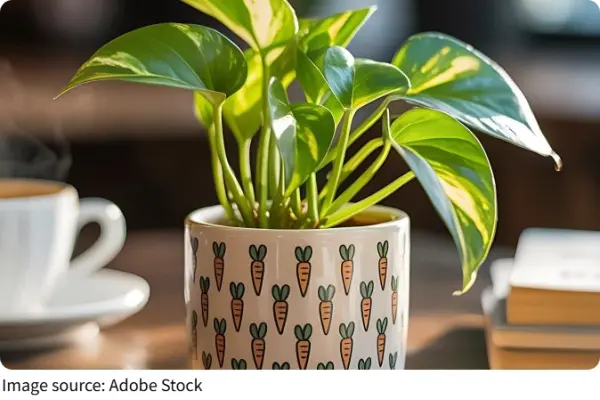
Golden pothos does not require a complicated routine. Give it bright, indirect light, use a well-draining growing setup, and pay attention to moisture rather than watering automatically. With these simple habits, golden pothos can remain a reliable and attractive part of an indoor plant collection for years.