Pothos: Easy Green Charm

Finnegan Flynn
| 10-10-2026
 · Plant Team
A houseplant does not need complicated care to make a noticeable difference indoors. Pothos is a good example. With trailing stems, attractive leaves, and adaptability to various indoor conditions, it has become a popular choice for homes and offices.
It can sit on a shelf, climb a support, or hang from a planter, offering plenty of flexibility for different rooms. For anyone looking for a manageable plant with visual character, pothos is worth considering.
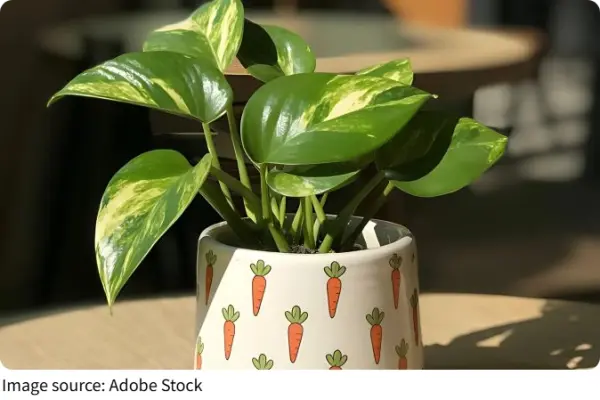
Pothos Is Easy to Maintain
One of the biggest advantages of pothos is its relatively simple care routine. It generally does not require constant attention, making it suitable for people who are still learning how to care for indoor plants.
Want healthier golden pothos? Learn simple watering, light, pruning, and feeding tips today!
Urban parks may look green, yet missing shrubs and small trees could be leaving both wildlife and people with poorer spaces.
Growing lotus at home? Get practical tips for water levels, sunlight, planting, and everyday care!
Planting more trees is not always better for the planet. Discover why protecting natural grasslands could be just as important.
Scientists traced wheat and barley evolution to find genes that may help crops survive climate change.
Why do some plant surfaces wrinkle? New research links cell growth direction and stiffness!
The most important habit is avoiding excessive watering. Allow the top layer of the potting mix to dry before watering again, and ensure excess water can drain away. Keeping the roots constantly wet can lead to root rot.
It Can Adapt to Indoor Light
Pothos can grow in a range of indoor lighting conditions, although the amount of light affects its growth and appearance. Bright, indirect light is usually a good choice for healthy development.
Lower-light locations may still support pothos, but growth can slow, and stems may become more widely spaced. Variegated varieties may also lose some of their distinctive coloring when light is insufficient.
Avoid prolonged exposure to harsh direct sunlight, particularly through hot windows, because it can scorch the leaves. Low-light tolerance does not mean the plant can grow well without natural or artificial light.
The Trailing Growth Works Almost Anywhere
Pothos is particularly useful when floor space is limited. Its long stems can trail over the edge of a shelf or cabinet, creating a natural hanging effect without taking up much room.
The plant can also be placed in a hanging container or trained to climb a suitable support. This flexibility makes it useful for bedrooms, living areas, workspaces, and other indoor spaces where a touch of greenery is welcome.
There Are Several Leaf Styles
Pothos is not limited to one appearance. Different cultivars have distinctive combinations of green, cream, yellow, or white in their foliage.
Golden pothos is known for its yellow-green variegation, while Marble Queen has striking cream-and-green patterns. Jade pothos offers a simpler look with mostly solid green leaves.
These differences make it easier to choose a plant that complements existing furniture and interior decoration. A strongly variegated variety can provide more visual interest, while a mostly green selection creates a quieter appearance.
It Is Simple to Propagate
Another appealing feature is the ability to propagate pothos from stem cuttings. Choose a healthy stem and cut just below a node, the small point where a leaf and often an aerial root emerge.
Place the node in water or a suitable moist growing medium, keeping the leaves above the water or soil surface. Under favorable conditions, roots can develop from the node.
Once a water-rooted cutting has established a healthy root system, it can be transferred to potting mix. Propagation is a practical way to produce additional plants from an established one without specialized equipment.
Pothos Can Be Pruned Easily
As pothos grows, its stems can become quite long. Regular pruning helps manage the plant's shape and prevents it from becoming too unruly.
Cutting a stem just above a node can encourage new growth from buds farther back along the vine, helping the plant develop a fuller appearance over time.
Use clean cutting tools, and avoid removing too much healthy growth at once. The removed stem sections can also be used for propagation if they contain suitable nodes.
It Adds Greenery Without Demanding Much Space
For smaller homes, apartments, dorm rooms, or compact work areas, choosing plants often comes down to available space. Pothos is useful because it can grow vertically rather than occupying a large area of the floor.
A young plant can begin on a desk or shelf, while longer vines can eventually trail downward or climb a support. This makes it possible to add greenery without rearranging an entire room.
However, placement still matters. The plant needs enough light, access for watering, and space for its stems to grow without becoming tangled or damaged.
Basic Care Still Matters
Although pothos is considered relatively forgiving, it still needs appropriate care. Check the potting mix before watering instead of following a rigid schedule. Provide suitable indirect light, use a container with drainage holes, and remove damaged leaves when necessary.
Pothos contains insoluble calcium oxalate crystals that can cause painful irritation of the mouth and throat if the plant is chewed. It is toxic to cats and dogs, so keep it out of reach of pets and young children.
If a pet chews pothos and develops symptoms such as drooling, pawing at the mouth, or vomiting, contact a veterinarian for guidance.

Pothos combines attractive foliage, flexible growth, and relatively simple care requirements. Whether it trails from a shelf or climbs a support, it can bring greenery into spaces of many sizes.
With suitable light, careful watering, and a safe location away from curious pets, pothos can remain an appealing part of an indoor plant collection for years.