Sunflowers Stay Fresh

Caroll Alvarado
| 15-10-2026
 · Plant Team
Lykkers, have you ever brought home a bunch of sunflowers, only to see their heads droop after a few days? These golden blooms can brighten any room, and with a few simple habits, we can help them stay fresh longer.
From trimming the stems to choosing the right vase location, small details can make a real difference. Even flowers that arrive with closed heads may open beautifully when we give them suitable care.
Understanding Fresh Sunflowers
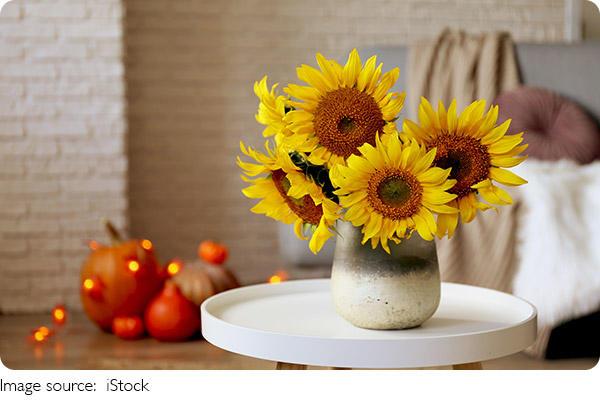
Sunflowers are popular for their golden petals, dark centers, and cheerful appearance. However, freshly cut blooms may arrive partly closed because they are harvested before reaching full bloom. In warm weather, they can open quickly once placed in clean water and given the right conditions.
Scientists reveal how tropical trees evolved a remarkable survival strategy that could inspire future drought-resistant crops.
A practical guide to caring for this striking tropical houseplant and its distinctive, textured foliage
Easy to grow and stylish indoors, pothos brings lush greenery with very little fuss!
Want healthier golden pothos? Learn simple watering, light, pruning, and feeding tips today!
Urban parks may look green, yet missing shrubs and small trees could be leaving both wildlife and people with poorer spaces.
Growing lotus at home? Get practical tips for water levels, sunlight, planting, and everyday care!
Deep green leaves are also a natural feature of fresh sunflowers. Instead of expecting every bloom to look fully open immediately, check whether the stems feel firm and the petals appear healthy. With patience and proper care, those partly closed heads can gradually develop into bright, attractive flowers.
Prepare the Stems Properly
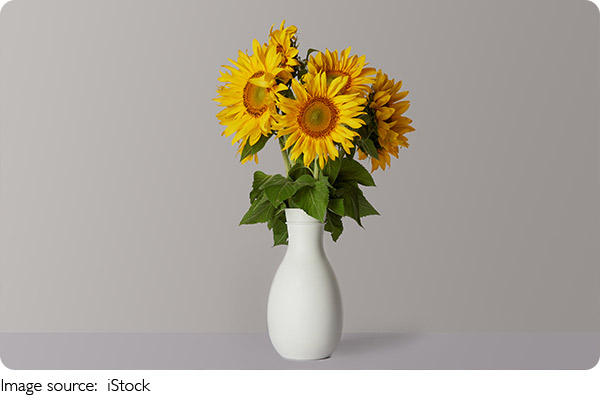
Before arranging sunflowers, remove most of the leaves from each stem. Keeping two or three leaves near the upper section helps maintain a natural look, while removing leaves below the waterline keeps the vase cleaner. Submerged leaves can decay, encouraging bacterial growth and making it harder for the flowers to absorb water.
Next, use clean, sharp scissors or floral shears to cut each stem at a 45-degree angle. This creates a fresh surface for water absorption and prevents the stem from resting flat against the vase bottom.
Measure each stem against the vase before cutting. Ideally, the flower heads should sit comfortably above the rim, with approximately 6–8 centimeters of stem visible between the rim and the bloom. A suitable height also helps the arrangement look balanced and prevents the flowers from crowding one another.
Use Water and Preservative Correctly
Sunflowers need fresh water, but filling the vase too deeply is not always helpful. Start with water reaching roughly one-quarter to one-third of the vase height, making sure the cut ends remain submerged. Check the level daily, especially during warm weather, when flowers may lose water more quickly.
If you use commercial flower preservative, follow the packet instructions carefully. For a product intended for 500 milliliters of water, measure the water accurately and add the recommended amount. The right mixture supplies nutrients and helps control bacterial growth.
Avoid adding extra preservative in the hope of extending the flowers' life. An incorrect concentration may harm the blooms rather than help them. Clean water, a suitable vase, and properly measured flower food are a more reliable combination.
Keep the Arrangement Fresh
When using flower preservative, changing the water every two or three days is a useful starting point. Without preservative, replace the water daily. If it becomes cloudy or develops an unpleasant smell, change it sooner.
Each time you refresh the water, rinse the vase and clean the lower stems. Trim a small section from the stem ends if they appear soft or discolored. This exposes fresh tissue and can improve water absorption.
We can also lightly mist the flower heads when the air is particularly dry, although constant moisture on the petals should be avoided. Place the vase in a cool, bright area away from direct sunlight, heating equipment, and strong drafts. A hot windowsill may cause the blooms to lose moisture faster, so a comfortable indoor location is usually preferable.
Help Drooping Sunflowers Recover
If a sunflower begins to bend, first check the water level and examine the stem near the flower head. A soft or curved section may indicate dehydration or weakened stem tissue.
Place the cut ends in clean water and trim the lower stems again. Then leave the arrangement in a cool location while the flowers absorb water. Severely dehydrated blooms may need extra attention, but soaking the entire bunch is not necessary in every case. Long periods of immersion can damage the leaves and petals.
Avoid experimenting with strong household cleaning products in the vase. A commercial preservative designed for cut flowers is generally easier to measure and use safely.
Final Thoughts
Keeping sunflowers fresh does not require complicated methods. By removing excess leaves, cutting the stems at an angle, refreshing the water, and choosing a suitable location, we can help these cheerful blooms remain attractive for longer.
Introduction to and How to Care for Sunflowers - Wholesale Flowers and Academy ( Triangle Nursery)
Video by Triangle Nursery Academy and Flower Wholesalers