Modern Living Made Easy

Owen Murphy
| 14-10-2026
 · Lifestyle Team
A modern living room should support the way you live instead of requiring constant adjustment.
A thoughtful combination of furniture, lighting, storage, and color creates a space that is easy to maintain, comfortable for daily activities, and flexible enough to adapt as your needs change.
Plan a Functional Layout First
Good design starts with how the room works. Before adding decorative pieces, make sure the furniture supports movement, conversation, and everyday routines.
Create clear activity zones
Think about how you actually use the room. You may need an area for relaxing, reading, watching television, or chatting with guests. Defining these zones helps prevent furniture from feeling randomly placed.
Can one room be perfect for both relaxing and reading?
Wood, fabric, or leather for your dining chairs? Here's how each one actually holds up.
Six Easy Indoor Plants That Make Your Living Room Look Stylish, Fresh, and Welcoming With Little Effort.
Want a prettier front yard with less work? These easy shrubs keep things looking great!
Warm or Cool? The One Lighting Choice That Makes or Breaks Your Outdoor Space!
Foldable tables and booth seats that save space without killing your style.
For example, place seating around a central coffee table to encourage conversation, while a reading chair can sit beside a window or floor lamp. Even in a compact room, separating functions visually makes the space feel more organized.
Leave enough circulation space
People should move comfortably between the entrance, seating, and storage without changing direction repeatedly.
As a practical guideline, avoid placing tables so close to seating that getting up becomes awkward. Keeping generous walkways also makes cleaning easier and prevents the room from feeling crowded.
Choose furniture with clean proportions
Modern interiors often emphasize simple shapes rather than oversized furniture. Before buying a sofa or coffee table, compare its dimensions with the available floor space.
A coffee table should be large enough for everyday use but small enough to leave comfortable movement around it. Side tables should remain within easy reach of seating without blocking walkways.
Use color to create balance
Modern living rooms usually work best with one dominant color, one supporting color, and one accent color.
For example, neutral walls allow brighter furniture to become the visual focus, while metallic finishes, wood textures, or indoor plants soften bold colors without overwhelming the room.
Instead of introducing many strong shades, repeat the same accent color through cushions, artwork, or decorative accessories to create consistency.

Improve Everyday Comfort Through Details
Once the layout feels comfortable, smaller design decisions make the room more enjoyable to use throughout the year.
Layer lighting for different activities
No single light source works well for every situation. Combine natural daylight with overhead lighting, table lamps, and floor lamps to create flexibility.
Reading areas benefit from focused task lighting, while softer lighting works well during conversations or quiet evenings. Adjustable lighting also allows you to change the atmosphere without rearranging furniture.
Decorate with plants thoughtfully
Indoor plants introduce natural texture and help soften modern furniture with straight lines.
Choose plant locations according to available light instead of filling every empty corner. Larger plants naturally anchor unused spaces, while smaller varieties work well on shelves or side tables without making surfaces feel crowded.
Clean leaves regularly so they continue reflecting light and maintaining a healthy appearance.
Keep decorative surfaces organized
Coffee tables, shelves, and side tables often collect unnecessary objects over time.
A practical approach is to divide each surface into functional and decorative areas. Leave enough empty space for everyday use while displaying only a few carefully selected accessories such as books, ceramics, or glass vases.
Review these surfaces every few weeks and remove anything that no longer serves a purpose.
Use storage before clutter appears
Modern interiors look their best when frequently used items have dedicated storage.
Closed cabinets work well for electronic accessories, chargers, board games, and documents, while open shelving displays books and decorative pieces. Woven baskets or storage boxes can organize blankets and smaller items while keeping them easy to access.
Returning items to their designated place after use helps maintain an organized room with minimal effort.
Select materials that age well
Furniture used every day should balance appearance with durability. Wood, metal, glass, quality fabric, and woven natural fibers remain versatile because they complement many decorating styles.
Choosing durable finishes also makes future updates easier. You can refresh the room with new cushions, artwork, or rugs instead of replacing major furniture pieces.
Evaluate the room from different perspectives
After arranging everything, walk into the room from every entrance and sit in each seat. Notice whether lighting reaches reading areas, whether tables remain within comfortable reach, and whether decorative objects interrupt sightlines.
Taking a photograph can also reveal uneven spacing or crowded corners that are less noticeable in daily use. Small adjustments often improve the overall balance more than purchasing additional furniture.
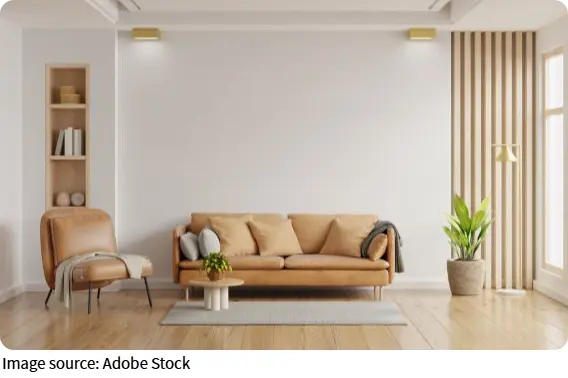
A successful modern living room combines thoughtful planning with practical everyday use. By creating functional zones, maintaining clear walkways, choosing balanced colors, layering lighting, organizing storage, and keeping decoration intentional, you can build a space that remains comfortable, efficient, and visually appealing for years to come.