Outdoor Mood Lighting

Caroll Alvarado
| 19-10-2026
 · Lifestyle Team
Hello, Lykkers! Outdoor lighting does more than help you see at night. It shapes how a garden, patio, or balcony feels after dark. Two spaces with the same furniture and plants can feel completely different depending on the color of the light. That is why the choice between warm and cool lighting matters.
It is not about which one is better. It is about which one fits the mood you want to create.
Understanding Color Temperature
Light color is measured on a scale called color temperature. You do not need to memorize numbers, but a simple guide helps.
Warm light has a soft, golden tone. It feels similar to candlelight or a sunset. Cool light has a brighter, bluish-white tone. It feels similar to daylight or a clinic. In between, there is neutral light, which sits closer to natural daylight without the blue tint.
Foldable tables and booth seats that save space without killing your style.
Wood, sintered stone, or glass: what holds up, what scratches, and how to care for each
Want a fresher bedroom? Add beautiful blooms that bring color, softness, and natural charm!
Looking for a timeless bedroom look? White and blue bedding creates a clean, relaxed atmosphere!
Pick sheets and duvets that fit your room style with these simple palette tricks.
Not sure which tub fits best? Compare size, style, material, comfort, and installation needs!
Most outdoor spaces feel more inviting with warm light. Cool light is often better for safety and visibility, such as on stairs or in areas where you need to see clearly. The best setups usually combine both in different places.
When Warm Light Works Best
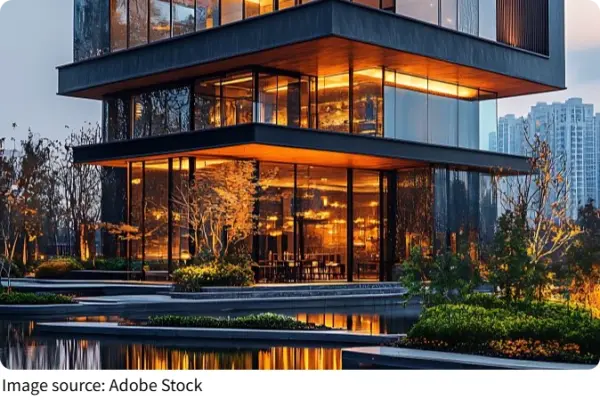
Warm light creates a cozy, relaxed atmosphere. It softens edges, makes plants look richer, and flatters skin tones. If you want a space where people linger, warm light is usually the right choice.
Warm lighting suits:
- Patios and decks used for evening gatherings
- Balconies and small outdoor seating areas
- Garden borders and flower beds
- String lights and lanterns
- Dining areas outdoors
Warm light also works well with natural materials like wood, stone, and brick. It brings out their texture instead of washing it out.
When Cool Light Works Best
Cool light is bright and clear. It is useful when visibility matters more than atmosphere. It can also make a space feel modern and clean.
Cool lighting suits:
- Pathways and steps where safety is important
- Driveways and parking areas
- Security lighting
- Modern architectural features
- Areas where you need to see details clearly
The risk with cool light is that it can feel harsh. Too much of it in a relaxing space can make the area feel clinical rather than comfortable. If you use cool light, keep it in functional areas and balance it with warmer light elsewhere.
How to Layer Outdoor Lighting
The best outdoor lighting is layered. That means using different types of light for different purposes rather than relying on one source.
Start with ambient light for general illumination. This can come from wall lights, post lights, or overhead fixtures. Then add task light for specific areas, such as steps or a grill station. Finally, add accent light for atmosphere, such as string lights, lanterns, or small ground lights aimed at plants.
Layering lets you change the mood easily. You can turn on everything for a party or use only the accent lights for a quiet evening.
Practical Tips for Choosing
Look for fixtures that state their color temperature. Warm light is usually around 2700K to 3000K. Cool light is usually 4000K and above. Neutral light sits around 3500K.
Avoid mixing very warm and very cool lights in the same view. The contrast can look uneven. If you must mix them, keep them in separate zones.
Dimmers make a big difference. They let you lower the brightness without changing the color, which helps you adjust the mood as the evening goes on.
Solar lights are a low-effort option, but their brightness and color can vary. Check reviews or sample one before buying a full set.

Final Thoughts
Warm and cool outdoor lighting each have a role. Warm light creates comfort and atmosphere, while cool light provides clarity and safety. The right choice depends on how you use your space. For most gardens and patios, warm light will feel more inviting, with cool light reserved for paths and practical areas. Layer your lighting, use dimmers where you can, and let the space shift with the evening. With a little planning, your outdoor area can feel as good at night as it does during the day.