Chair Materials, Compared

Declan Kennedy
| 19-10-2026
 · Lifestyle Team
Hi Lykkers! You'd think picking a dining chair is just about looks, but the material decides everything from how your back feels after a long dinner to whether you're scrubbing stains off the seat every weekend.
Most people default to whatever matches the table, then regret it six months later. So let's skip that mistake and break down the three big options: wood, fabric, and leather, in the way you'd actually experience them at home.
Wood seats are honest workhorses
Solid wood chairs, like oak or walnut, give you that firm, unyielding support you either love or hate. There's no give at all, which means your posture stays upright, but your tailbone will notice after an hour. A chair like the Thonet No. 14, that classic bentwood design, feels great for quick meals but gets punishing during a long holiday dinner. The real upside is maintenance: you wipe a spill with a damp cloth and it's done.
Six Easy Indoor Plants That Make Your Living Room Look Stylish, Fresh, and Welcoming With Little Effort.
Want a prettier front yard with less work? These easy shrubs keep things looking great!
Warm or Cool? The One Lighting Choice That Makes or Breaks Your Outdoor Space!
Foldable tables and booth seats that save space without killing your style.
Wood, sintered stone, or glass: what holds up, what scratches, and how to care for each
Want a fresher bedroom? Add beautiful blooms that bring color, softness, and natural charm!
No fabric to absorb the red grape juice, no leather to split. Just keep it away from direct sunlight, or the finish will fade unevenly, and you'll see a lighter patch where the window hits.

Fabric cushions feel cozy, but demand care
Upholstered chairs are what you want if you linger over coffee and conversation, because the padding softens every sit. A linen blend or a performance polyester like Sunbrella holds up better than cotton, which tends to pill and fade. The catch is the daily reality: kids drop crumbs, pets shed fur, and every mark shows on light tones. You'll want a removable cushion cover, something like the ones on IKEA's Ekedalen chairs, so you can toss the fabric in the wash.
Without that, you're stuck with a spot cleaner and a prayer. Also, fabric traps odors, so a chair near the kitchen will eventually smell like last Tuesday's garlic butter.
Leather ages well, if you let it
Leather chairs, whether full-grain or top-grain, start stiff and then mold to your body over time, which is a real pleasure once they break in. A chair like the West Elm Mid-Century chair in leather develops a patina that actually adds character, small creases and all.
But here's the trade-off: it's temperature sensitive. In summer, your thighs stick to the seat; in winter, the initial sit is a cold shock. And you can't just leave it alone. You'll need to condition it every six months or so, or the surface will dry out and split, especially in a room with low humidity. Spills are easier to wipe than fabric, but oil-based stains on leather are almost impossible to remove.
Matching the material to your life
Think about how you actually use your dining space before you pick. If you have young kids or you host a lot of messy gatherings, wood is the low-stress choice, and you can always add a thin cushion for comfort. If your dinners are long and relaxed, fabric gives you that softness, but choose a dark, patterned weave so stains blend in. Leather fits a more formal setup or a home without pets, because a cat's claws will leave permanent marks you can't buff out.
Also consider the chair's weight: solid wood is heavy to move around, while leather over a lighter frame, like a bentwood base, is easier to slide when you're rearranging for guests.
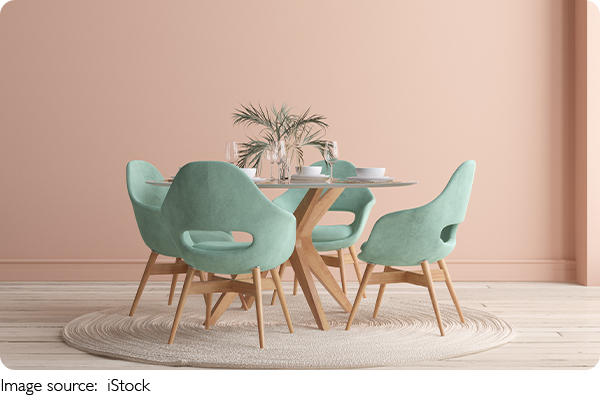
So here's the simplest way to decide: wood is for people who value easy cleaning, fabric is for people who value comfort, and leather is for people who value character over convenience. Think about your last ten dinners at home, who was there, what got spilled, how long you stayed seated, and the answer becomes pretty clear.
Go feel a few options in person, sit in each for a solid five minutes, and trust that first hour of discomfort or ease. That'll tell you more than any spec sheet ever will.