Tsavo’s Wild Wonders!

Owen Murphy
| 12-10-2026
 · Travel Team
Tsavo National Park is one of Kenya’s largest protected wilderness areas, covering an extensive region between Nairobi and the coast. Divided by the Nairobi–Mombasa highway, it consists of Tsavo East and Tsavo West, two destinations with distinct landscapes and wildlife experiences.
Tsavo East is known for its broad, dry plains and large elephant herds, while Tsavo West features volcanic terrain, rocky hills, and natural springs.
When Is the Best Time to Visit?
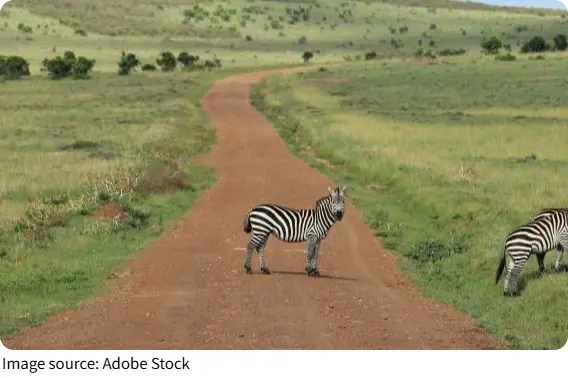
Tsavo generally experiences two drier periods, from June to October and December to March. Temperatures can reach approximately 90°F (32°C), and animals are often easier to observe as they gather around rivers, dams, and other water sources. Rainfall usually increases between March and May and again around November and December.
Want to enjoy Venice without the tourist rush? Find quieter canals, hidden corners, and peaceful times to visit!
Rabat balances old-world charm with modern city life, making Morocco’s capital more surprising than you might expect!
Think you know island life? New Caledonia brings together white-sand beaches, Kanak heritage, and striking blue waters!
Think Spain is all beaches and big cities? León offers medieval charm, local flavors, and remarkable architecture!
What lies beyond Venice? Find quiet villages, regional dishes, historic cities, and scenic countryside!
What makes a small mountain lake one of Ireland's most peaceful destinations?
Tsavo National Park
How Long Should You Stay?
Plan for at least two days to explore either Tsavo East or Tsavo West. Four days provides more flexibility for wildlife drives, guided walks in permitted areas, and visits to several scenic locations. Travel time is an important consideration. Reaching Mtito Andei from Nairobi or Mombasa takes around four hours by road.
Where to Stay in Tsavo
Accommodation ranges from basic campsites to comfortable lodges and luxury safari tents. Tsavo West has a particularly broad selection of upscale properties, while towns near the park gates offer alternatives for travelers watching their budget. Options include Finch Hatton’s Luxury Tented Camp and Kilaguni Serena Safari Lodge in Tsavo West, as well as Salt Lick Safari Lodge in the nearby Taita Hills Wildlife Sanctuary.
Prices vary considerably by season, meal arrangements, and safari inclusions. As a general planning estimate, budget around US$50–150 per person per night for some simpler or mid-range options, while luxury camps can cost several hundred dollars per night.
Getting There and Around
Buses, shared minibuses, and trains connect Nairobi and Mombasa with towns near the parks. Many visitors choose organized safari packages that include transport, accommodation, and a professional wildlife guide. Self-drive trips are possible with a suitable four-wheel-drive vehicle, but rough roads and unpredictable wildlife require experience and caution.
Top Experiences in Tsavo West
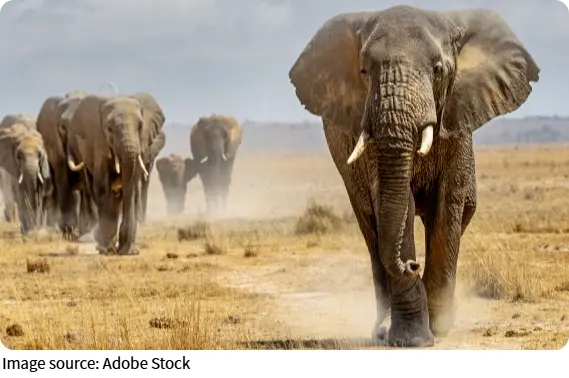
A four-wheel-drive safari reveals a changing landscape of grasslands, woodland, rocky ridges, and old volcanic formations. Elephants covered in rust-colored dust are a memorable sight, while birdwatchers may encounter hundreds of bird species. For panoramic scenery, visit Poacher’s Lookout, which offers views across the plains toward Mount Kilimanjaro when conditions allow. Chaimu Crater provides another striking viewpoint, with a short climb across volcanic terrain.
Visit Mzima Springs
Mzima Springs is a series of clear natural pools supplied by water filtering through rock from the Chyulu Hills. The water supports a rich habitat where visitors may observe hippos, crocodiles, and other wildlife from designated viewing areas. Walking trails and an underwater viewing facility offer different perspectives on the ecosystem.
Where to Spot Elephants and Big Cats
Tsavo East is particularly well known for its elephants, which often gather near Aruba Dam and the Galana River. In Tsavo West, sightings may occur around the Tsavo River and Mzima Springs. Lions and leopards also inhabit the wider region, although sightings are never guaranteed.
The Ngulia Rhino Sanctuary provides a protected habitat for endangered black rhinos. Access arrangements and viewing opportunities may vary, so check with park authorities or your accommodation before visiting.
Entry Fees and Safari Costs
The supplied source lists non-resident entry fees for Tsavo East and Tsavo West at US$80 and US$40 per child. Entry to Taita Hills Wildlife Sanctuary is listed at US$40 and US$20 per child. Fees can change, so verify the latest rates and payment requirements before departure.
What to Pack and Safety Tips
Bring binoculars, a camera, sunscreen, insect repellent, a hat, sturdy walking shoes, and layers for chilly mornings. Keep drinking water available and follow current travel-health advice for Kenya. Wildlife safety is essential. Remain inside your vehicle except in authorized areas, never feed animals, and do not approach elephants, predators, or animals with young.
Tsavo offers a rewarding combination of wildlife viewing, volcanic scenery, natural springs, and expansive African landscapes. With at least two days, careful transport planning, and a knowledgeable guide, visitors can experience its remarkable natural diversity while respecting the wildlife that makes the region special.