See Venice in Peace!

Ethan Sullivan
| 12-10-2026
 · Travel Team
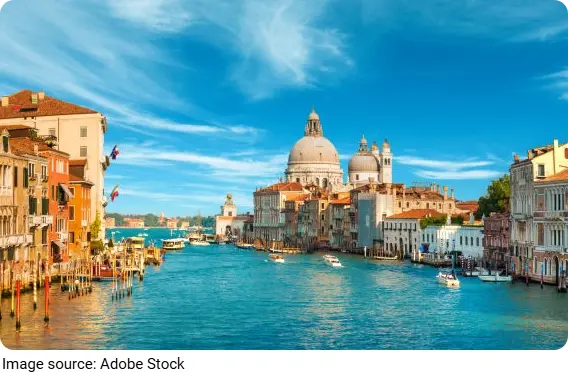
Venice, Italy, is famous for its winding canals, elegant bridges, historic architecture, and boats gliding between centuries-old buildings. Yet its popularity can make the best-known streets feel crowded, particularly during the warmer months.
A more rewarding visit comes from exploring beyond the busiest routes and allowing enough time to appreciate the city at a relaxed pace.
Choose the Right Season
Venice has a mild Mediterranean climate, with comfortable spring weather, humid summers, and chilly winters. Spring and autumn can offer pleasant conditions, although popular attractions may still be busy. For travelers prioritizing tranquility, November through February is worth considering.
Rabat balances old-world charm with modern city life, making Morocco’s capital more surprising than you might expect!
Think you know island life? New Caledonia brings together white-sand beaches, Kanak heritage, and striking blue waters!
Think Spain is all beaches and big cities? León offers medieval charm, local flavors, and remarkable architecture!
What lies beyond Venice? Find quiet villages, regional dishes, historic cities, and scenic countryside!
What makes a small mountain lake one of Ireland's most peaceful destinations?
Explore Italy’s Dolomites through golden forests, alpine hikes, lakeside views, regional dining, and mountain stays
Winter brings colder temperatures, often around 40°F (4°C), but foggy canals, subdued streets, and softer light can create a distinctive atmosphere. Pack warm clothing and comfortable shoes, as exploring Venice usually involves considerable walking across bridges and uneven pathways.
Stay in a Quieter Neighborhood
Venice is divided into six historic districts, known as sestieri. Each has its own character, and choosing accommodation away from the busiest landmarks can make mornings and evenings more peaceful.
Cannaregio: This northern district combines residential streets, small shops, canal-side paths, and traditional eateries. Palazzo Nani Venice is a luxury option, with rates starting around US$350 per night, although prices vary by date.
Castello: A good choice for travelers seeking quieter streets, artistic spaces, and maritime heritage. The Giardini della Biennale offers green space for a break from crowded streets.
Dorsoduro: Known for its university atmosphere, independent shops, galleries, and restaurants, this area suits visitors who enjoy exploring at a leisurely pace.
San Polo: Close to the Grand Canal and Rialto Market, this central district offers convenient access to major sights while providing alternative streets to explore.
San Marco: The best-known attractions are concentrated here. Staying nearby makes dawn visits convenient, but daytime crowds can be substantial.
Venice
Plan Your Day Around the Crowds
Begin sightseeing around sunrise, when the streets and canals are often quieter. St Mark’s Square is especially atmospheric in the early morning, when its surrounding architecture can be admired with fewer people around. Continue toward Ponte della Paglia for views of moored gondolas and the Bridge of Sighs. Then wander through smaller streets rather than following the busiest pedestrian routes.
Aim to reach Rialto Market around 7:30 a.m. on a suitable operating day, when vendors begin preparing their stalls. The market is a lively place to observe everyday activity and pick up fresh fruit for breakfast. A coffee and croissant at a nearby café may cost approximately US$4–6, depending on the location and whether you sit at a table.
Enjoy the City After Dark
As day visitors leave, some parts of Venice become calmer. Evening walks beside illuminated canals offer a different perspective, with lights reflected across the water and boats moving through the darkness. A gondola ride can provide a memorable way to see the waterways. As a planning estimate, allow around US$100–150 for a private ride, with possible additional charges for evening service.
Take a Slower Trip Beyond Venice
If time permits, visit Chioggia, a canal town at the southern end of the Venetian Lagoon often nicknamed “Little Venice.” Buses connect the area with Venice, and the journey generally takes around an hour, depending on the service and traffic.
Another possible excursion is Comacchio in the Emilia-Romagna region. The journey takes longer, so check transport schedules before planning a day trip. Both destinations offer opportunities to explore waterways and local streets at a different pace.
Seeing Venice without the crowds is less about avoiding famous places entirely and more about choosing the right time and route. Visit major landmarks early, explore Cannaregio or Castello during busy hours, and leave space in the itinerary for spontaneous walks.
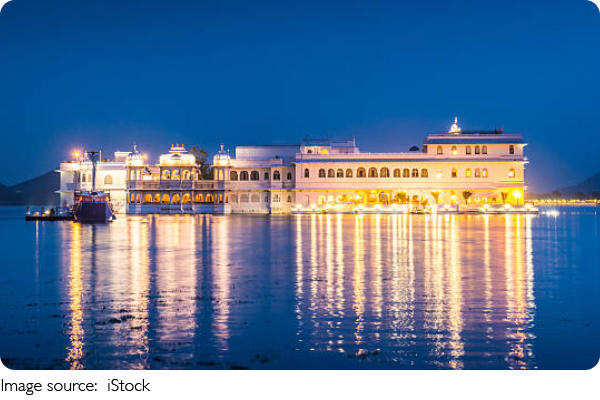
With comfortable shoes, flexible plans, and a few quieter destinations, Venice becomes more than a checklist of attractions. Its canals, bridges, and everyday neighborhood scenes can become the most memorable parts of the journey.