Veneto Travel Guide
Naveen Kumar
| 13-10-2026
 · Travel Team
Veneto is one of northern Italy’s most varied regions, offering far more than the famous canals of Venice. Travelers can explore elegant cities, quiet medieval towns, vineyard-covered hills, and the dramatic peaks of the Dolomites.
From cultural attractions in Padua to outdoor adventures near Cortina d’Ampezzo, the region offers plenty of reasons to stay longer.
When to Visit Veneto
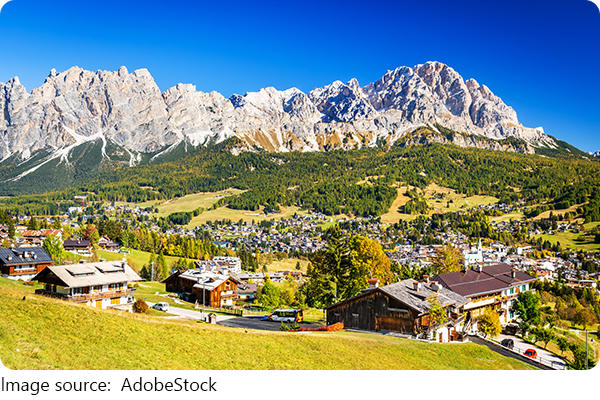
Spring, from March to May, is a pleasant time to explore the region’s cities and countryside. Flowers brighten the landscape, temperatures become milder, and visitor numbers are generally lower than during summer. September and October are excellent for mountain walks and autumn scenery. Summer brings warmer weather and more visitors, while winter attracts skiers to the Dolomites.
What makes a small mountain lake one of Ireland's most peaceful destinations?
Explore Italy’s Dolomites through golden forests, alpine hikes, lakeside views, regional dining, and mountain stays
Only have three days to spare? Visit Midwest national parks filled with scenic trails, wildlife, and memorable views!
Want to see another side of Quintana Roo? Find quiet coastlines, laid-back villages, and hidden gems!
From lush rainforests to quiet beaches, American Samoa offers a Pacific getaway full of natural beauty!
From quiet coastal villages to lively markets, Okinawa offers plenty of reasons to stay a little longer!
Getting Around and Planning Your Stay
Venice, Verona, and Treviso are useful arrival points. Trains connect major cities such as Padua, Vicenza, and Verona, making it possible to explore urban destinations without driving. A rental car offers greater flexibility for reaching vineyards, rural villages, and mountain trailheads. Cortina d’Ampezzo is less convenient by train, so travelers using public transport will generally need a bus connection.
Veneto
Padua: Art and Botanical Gardens
Padua combines lively student culture with historic architecture and important art collections. The Scrovegni Chapel is famous for its remarkable frescoes by Giotto. Timed entry is required, so arranging tickets in advance is advisable. The Orto Botanico, established in 1545, is another highlight. This historic botanical garden provides a peaceful break from the city streets. Visitors can also explore grand townhouses and traditional market areas before spending time in the city's cafés and independent shops.
Explore the Euganean Hills
Southwest of Padua, the Euganean Hills feature rolling countryside, vineyards, cycling routes, and old towns surrounded by historic walls. The 63km Anello dei Colli Euganei route is an option for cyclists seeking a longer outing. Monselice has medieval towers and historic buildings, while Este offers a museum devoted to regional archaeology. Montagnana and Cittadella are also worth visiting for their impressive defensive walls and atmospheric streets.
Treviso: Canals and Quiet Streets
Treviso offers a calmer alternative to Venice, with small waterways, leafy paths, and buildings decorated with frescoes. Wander around Piazza dei Signori, explore the picturesque bridges, and visit the Museo Luigi Bailo for Italian art. The city is also associated with tiramisu, making it a rewarding stop for travelers interested in regional desserts.
Verona: Architecture and Scenic Views
Verona is celebrated for its connection to Shakespeare’s Romeo and Juliet, but its appeal extends to Roman architecture, art collections, and attractive riverside scenery. The Arena di Verona is a remarkably preserved ancient amphitheater that hosts performances during the summer season.
Vicenza and Palladian Architecture
Vicenza is closely associated with architect Andrea Palladio, whose distinctive designs shaped the city’s appearance. Villa La Rotonda, Teatro Olimpico, and Basilica Palladiana are notable examples of his architectural legacy. After sightseeing, explore local bakeries and traditional restaurants for regional specialties. The city's compact center makes it suitable for a relaxed walking tour.
The Dolomites: Mountains in Every Season
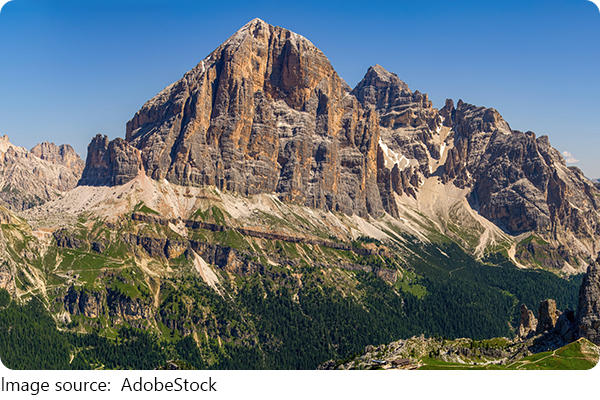
Cortina d’Ampezzo is a popular base for winter sports and summer adventures. In winter, visitors can choose from downhill and cross-country skiing routes. During warmer months, cable cars provide access to mountain viewpoints, while hiking trails lead past alpine lakes, forests, and towering rock formations.
Estimated Costs in Veneto
Double hotel room in Venice: from US$145
Double hotel room in Padua: from US$85
Restaurant meal in Verona: around US$33 per person
Slice of focaccia or pizza in Treviso: from US$3
Villa La Rotonda admission: around US$17
Veneto rewards travelers who venture beyond Venice. With convenient rail connections between major cities and a rental car for rural exploration, Veneto makes an excellent destination for combining culture, countryside, and outdoor adventure.