Iceland's Empty Edge

Mason O'Donnell
| 05-11-2026
 · Travel Team
Hello, Lykkers! If you want to feel like you've driven to the end of the earth, point your car toward Árneshreppur. This is Iceland's least-populated municipality, home to fewer than 60 people, tucked into the Strandir coast of the Westfjords. The roads are gravel, the villages are tiny, and the whole place feels like a secret you're not supposed to know about.
Trékyllisvík is the historic heart of it all, a remote cove surrounded by mountains where the landscape does most of the talking. Here are six places and experiences worth the journey.
Trékyllisvík and the Witch Trial History
Trékyllisvík isn't just a pretty bay. In 1654, this isolated cove became the starting point for Iceland's witch-hunting craze, when three men were burned at a cliff jetty called Kistan, which translates to "The Coffin". You can still visit the old chapel and churchyard, and the sense of history hangs over the place like the mountain shadows.
Discover California’s spectacular waterfalls, giant sequoias, mountain scenery and unforgettable outdoor experiences
Ride above the city and plan your visit with useful tips on tickets, transport, food, and nearby sights
Explore Egypt's chalk landscapes and plan your journey with transport, accommodation, and budget tips
A landscape of rolling white dunes and rain-filled lagoons awaits in Maranhão, with the best views changing throughout the year
In Paşabağ Valley, towering mushroom-shaped rocks and ancient hermit shelters reveal a remarkable side of Cappadocia's landscape.
Visit Socaire and Toconao thoughtfully, compare transport costs, and choose a San Pedro lodging base.
The nearby Museum/Gallery Kört displays paintings and artifacts from the area's turbulent past. It's a sobering stop, but it gives you context for why this remote corner of Iceland feels so fascinating.
Estimated Cost: Free to walk the area; museum entry is a small fee, likely around US$5–10.
Trékyllisvík
Krossneslaug Geothermal Pool
This is the reward at the end of the road. Krossneslaug sits right on the shoreline near Norðurfjörður, a geothermally heated outdoor pool with the open sea of Húnaflói as its view. Geothermal activity is rare in the Westfjords, which makes this pool feel like a genuine gift. Soak here after a long day of driving and watch the light change over the water. It's the kind of place that makes you forget you have a schedule.
Estimated Cost: Small entry fee, typically around US$5–8.
Djúpavík and the Old Herring Factory
Djúpavík is a tiny village with a massive ruin. The old herring factory, built in 1935, was once the largest concrete building in Iceland and the first fully automated fish factory in Europe. The herring vanished, the plant closed in 1954, and the village nearly died. Today the factory halls host exhibitions and concerts, and the old women's dormitory is now Hótel Djúpavík. The waterfall Djúpavíkurfoss cascades down the cliffs above the village, and you can hike to the top for a view that makes the industrial ruin look almost beautiful.
Estimated Cost: Free to walk around the village and see the waterfall; factory exhibitions and tours cost around US$10–15.

The Árnes Tundra Boardwalk
This is a small stop with a big story. Local sheep farmers built a 500-meter wooden boardwalk across the mossy Arctic tundra near Árnes in 2019, the only one of its kind on the Strandir coast. It crosses a fragile wetland of moss, Dryas, and Silene that takes decades to recover if stepped on. The boardwalk is free to use, but there's a donation box asking for about US$7–8 to help maintain it. Walk it early in the morning to avoid the midges, and stay on the wood. It's a quiet, strange, and genuinely lovely little stop.
Drangaskörð Peaks
These jagged peaks rise from the sea near Norðurfjörður, resembling a row of sharp teeth. They're often overlooked by travelers rushing to the hot pool, but they're worth a pause. The formations have inspired local folklore for centuries, and on a clear day the contrast between the dark rock and the blue water is striking. You don't need to hike them to appreciate them. Just pull over, take a look, and let your imagination do the rest.
Estimated Cost: Free
Drangaskörð
The Drive Itself (Route 643)
The journey to Árneshreppur is part of the experience. Route 643 north of Hólmavík is gravel, narrow, and closed in winter, and the full coast is only practical from June to early September. You'll pass driftwood beaches, abandoned farms, and waterfalls with no names. Fill up with fuel in Hólmavík before you go, carry food and water, and download offline maps because signal is patchy. This isn't a route to rush. It's a route to savor, with the windows down and the playlist ready.
Estimated Cost: Free to drive, though you will need to budget for fuel, which is expensive in Iceland and may add US$30–50 to your trip depending on your vehicle.
Getting There
Most travelers fly into Keflavík International Airport and rent a car for the journey north. A compact rental car for a week starts around US$300–450 in summer, and fuel for the round trip from Reykjavík to Árneshreppur adds roughly US$80–120. The drive from Reykjavík to Hólmavík takes about three hours on paved roads, and from there Route 643 becomes gravel. There is no public bus service to Árneshreppur, so a rental car is the only practical option.
Where to Stay
Accommodation in Árneshreppur is limited. Hótel Djúpavík, housed in the old women's dormitory of the herring factory, has rooms from around US$150–200 per night in summer, with breakfast included. For a simpler option, guesthouses in Hólmavík, about two hours south, start at roughly US$100–130 per night. Book well in advance during the June–September season, as rooms in the region are scarce.
Where to Eat
Food options in Árneshreppur are very limited. Hótel Djúpavík serves meals to guests and passing travelers, with main dishes around US$20–30. For self-catering, stock up in Hólmavík before heading north, where the local supermarket has bread, cheese, and supplies for the drive. Carry lunch and water for the trail, as there are no food stalls or restaurants along Route 643.
Final Thoughts
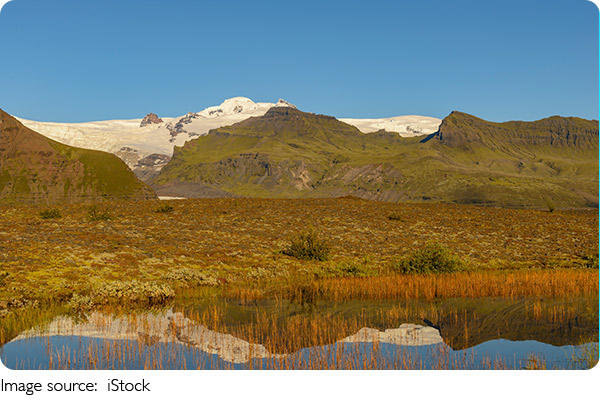
Árneshreppur isn't for everyone. It's remote, the roads are rough, and the weather can turn on you. But for readers who want to see a side of Iceland that feels genuinely untouched, this is it. The witch history, the herring ruin, the hot pool at the edge of the sea, and that lonely boardwalk over the moss—these are the kinds of places that stay with you. Go in summer, go slow, and bring cash for the donation box. The end of the road is worth the drive.