Egypt's White Desert
Santosh Jha
| 05-11-2026
 · Travel Team
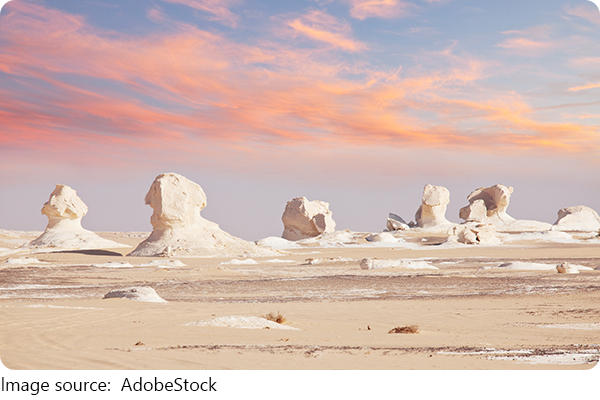
Imagine crossing a golden desert when enormous white rock formations suddenly appear on the horizon. Some resemble mushrooms, birds, or sculptures carved by an artist. This is Egypt's White Desert, a remarkable landscape where wind-shaped chalk formations create scenery unlike the country's more familiar pyramids and temples.
Located in Egypt's Western Desert near Farafra Oasis, this protected landscape is especially memorable at sunset and beneath the stars. A visit requires some planning, from arranging four-wheel-drive transport to choosing accommodation and estimating expenses. Here is what to know before setting off.
Where is the White Desert?
Egypt's White Desert lies in the Western Desert near Farafra Oasis, roughly 500 kilometers southwest of Cairo by road, depending on the route.
A landscape of rolling white dunes and rain-filled lagoons awaits in Maranhão, with the best views changing throughout the year
In Paşabağ Valley, towering mushroom-shaped rocks and ancient hermit shelters reveal a remarkable side of Cappadocia's landscape.
Visit Socaire and Toconao thoughtfully, compare transport costs, and choose a San Pedro lodging base.
See Iceland's icy waterfall at its best, with tips on routes, timing, and where to stay
Plan a rock-arch night shoot with reserve fees, gravel-road logistics, three lodging styles, and dark-sky timing.
A food lover's guide to Sweden's Bohuslän coast, with costs and local favorites.
Most visitors begin their adventure in Bawiti, the main town of Bahariya Oasis, approximately 350–370 kilometers from Cairo.
From there, the journey continues south through changing desert scenery. Dark rocky hills gradually give way to pale limestone and chalk formations, some rising like enormous natural sculptures from the sand.
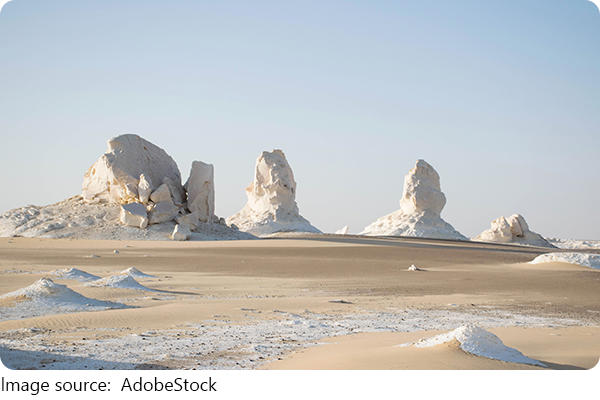
The White Desert is famous for these unusual shapes, formed through weathering and erosion over long periods.
The surrounding region also contains sparkling mineral formations and striking contrasts between black volcanic rocks and pale desert landscapes.
White Desert National Park
White Desert National Park – Visitor Information
The White Desert is a protected area, and most travelers explore it with local guides using four-wheel-drive vehicles.
Unlike a conventional attraction, it does not have a single entrance building with regular museum-style opening hours. Daytime excursions, sunset visits, and overnight camping are generally arranged through tour operators, subject to current access rules.
Camping is particularly popular because the white formations take on warm colors at sunset before the desert becomes a quiet place for stargazing.
Entrance and camping fees may apply, but published amounts vary and older online estimates can be unreliable.
Rather than assuming a fixed admission price, ask your operator for the current park charges and whether permits, vehicle access, camping, and guide fees are included.
Confirm that your chosen route and overnight location are currently permitted before departure.
Best Time to Visit
The most comfortable months for exploring the White Desert are generally October through April, when daytime conditions are less intense.
Between December and February, daytime temperatures may be around 18–24°C, although weather varies. Nights can become very cold, sometimes approaching freezing.
March through May brings warmer afternoons, with temperatures sometimes reaching 25–35°C. Spring can also bring strong winds and blowing sand.
Summer, from June to September, is considerably hotter, with temperatures that may exceed 40°C.
November, February, and March are appealing choices for combining comfortable daytime exploration with overnight camping.
Whatever the season, the desert experiences significant temperature changes between day and night. Packing layers makes the journey much more comfortable.
Transportation – How to Get There and Costs
The journey usually begins in Cairo, followed by a road trip to Bahariya Oasis.
Bawiti is approximately 350–370 kilometers away, and the drive commonly takes around five hours or longer, depending on traffic, road conditions, and stops.
Public transport may be available, but schedules and services should be confirmed locally. As a rough planning estimate, a bus or shared journey might cost $6–$15 per person, while private transfers can cost substantially more.
From Bahariya, travelers typically continue by four-wheel-drive vehicle toward the White Desert, stopping at scenic locations along the way.
An overnight excursion commonly includes the driver, guide, desert transport, camping equipment, and some meals.
Budget approximately $80–$180 or more per person for a small-group overnight tour, depending on group size and inclusions. Private trips can cost considerably more.
These figures are indicative, not verified current quotations. Ordinary passenger cars are unsuitable for off-road sections, so an experienced local operator is essential.
Accommodation – Where to Stay and Price Ranges
Spending a night in the White Desert is one of the most memorable parts of the experience.
As daylight fades, the pale formations change color, and the campsite becomes a place to enjoy dinner beneath the open sky.
Basic camping equipment, sleeping mattresses, blankets, and meals are often included in organized overnight packages. Ask whether tents are provided, since some operators offer open-air sleeping arrangements when conditions permit.
Travelers who prefer a conventional bed can stay in Bawiti before or after their desert excursion.
Simple guesthouses may cost approximately $15–$35 per night, while more comfortable lodges can range from $35–$70 or higher.
Prices vary with season and availability.
For winter camping, bring thermal layers and confirm that the operator provides sufficiently warm bedding. Desert nights can be much colder than visitors expect.
Dining – Food Prices and Options
Meals are part of the White Desert experience, particularly during an overnight camping trip.
Local guides often prepare simple dinners featuring rice, vegetables, bread, and grilled dishes, followed by tea beneath the stars.
Breakfast and dinner are commonly included in overnight tour packages, while lunch arrangements vary.
In Bawiti, small restaurants and cafes provide additional dining options. A basic breakfast might cost around $3–$6, a simple lunch $4–$8, and dinner approximately $6–$12 per person.
These are approximate budgets rather than fixed menu prices.
Before leaving town, purchase any extra snacks and confirm that your tour includes enough drinking water.
There are no ordinary restaurants or shops among the remote White Desert formations, so supplies need to be organized before the off-road journey.
Things to Do Around the White Desert
A typical desert excursion includes several memorable stops along the route.
Agabat Valley is known for dramatic rock formations and sweeping sandy scenery. Depending on the itinerary, visitors may spend an hour or more exploring and taking photographs.
Chicken Rock, a famous formation resembling a bird beside a mushroom-shaped rock, is another popular photo stop.
Crystal Mountain offers a closer look at sparkling mineral formations, while the Black Desert presents dark hills that contrast with the White Desert's pale landscape.
Some tours also visit fossil-bearing areas, where geological remains reveal the region's ancient environmental history.
The highlight often comes at sunset, when the white rocks take on golden and pink tones.
After dinner, a clear, moonless night can offer excellent stargazing away from city lights.
Practical Travel Tips
A successful White Desert adventure depends on preparation and a reliable guide.
Choose an established operator who understands current access restrictions, desert navigation, and emergency procedures.
Carry plenty of drinking water, particularly during warmer months, and ask your guide how much is appropriate for the itinerary. Four to five liters per person per day may be a useful hot-weather planning allowance, with additional emergency supplies.
Wear closed shoes, sunglasses, a hat, and sunscreen. Warm clothing is essential for winter nights.
Keep electronic devices protected from dust, and bring a power bank if camping.
Avoid removing crystals, fossils, or rocks from protected areas, and leave no litter behind.
Before booking, confirm the total price, park fees, meals, bedding, transport, and cancellation arrangements.
Egypt's White Desert offers a different kind of adventure, where sculpted chalk formations, contrasting desert landscapes, and remarkable night skies become the main attractions. A two-day, one-night excursion is a practical way to experience the highlights without rushing. Traveling with an experienced guide, checking current access arrangements, and budgeting for transport, meals, and camping will make the journey smoother. Whether the most memorable moment comes at sunset or beneath a sky full of stars, the White Desert reveals an extraordinary side of Egypt beyond its famous ancient monuments.