Hydrangea Growing Tips

Liam Reilly
| 10-11-2026
 · Plant Team
Dear Lykkers, imagine walking into your garden and seeing round clusters of hydrangea flowers in shades of pink, blue, purple, or white. These lovely blooms can brighten a garden or balcony.
With suitable soil, proper watering, and regular care, we can help our plants grow healthy leaves and beautiful flowers. Let’s explore how to plant and care for hydrangeas throughout the seasons.
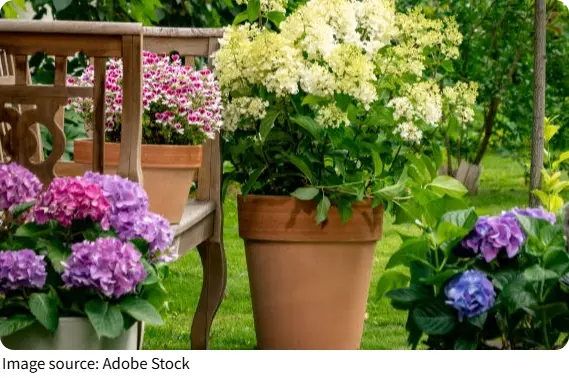
Choose the Right Location
Hydrangeas prefer moist conditions, gentle sunlight, and good air circulation. A location with morning sunshine and afternoon shade is often ideal. Strong midday sunlight can scorch leaves, while deep shade may reduce flowering.
Choose loose, fertile soil that drains well but retains some moisture. For balcony gardening, place the container somewhere sheltered from strong winds and intense afternoon heat. Good airflow around the leaves also helps keep the plant healthy.
The remarkable science behind flowers that open after sunset, attract nocturnal pollinators, and fade with the morning light
Want a garden full of color? Hydrangeas bring beautiful blooms, soft textures, and charm outdoors
Want fuller blooms? Get simple pruning tips for baby's breath to keep plants neat and flowering
Learn to turn simple stones into a beautiful garden
How Africa's Amazing Baobab Trees Store Water, Feed Wildlife, and Help People Survive Long Dry Seasons Each Year
Want fuller blooms? Learn how to grow chrysanthemums in containers for a colorful garden display!
Prepare Your Planting Materials
Choose a healthy young hydrangea with firm stems, fresh leaves, and an intact root system. Avoid plants with damaged roots or signs of pests.
Choose a container with drainage holes that provides enough room for the roots to grow. Prepare a mixture of quality potting soil, leaf compost, and coarse sand or another suitable drainage material. The soil should hold moisture without becoming waterlogged.
A balanced fertilizer can support growth, but always follow its package instructions to avoid overfeeding.
Plant Hydrangeas Correctly
First, fill the container partly with prepared soil. Gently remove the plant from its nursery container, taking care not to damage the roots. Position it in the center, keeping the top of the root ball level with the surrounding soil.
Fill the remaining space with soil and press gently to remove large air pockets. Do not bury the main stem too deeply. Water thoroughly until excess moisture drains from the bottom, then place the container in a sheltered area with gentle light while the plant adjusts.
Watering and Feeding
Hydrangeas need consistent moisture, especially during active growth. Check the soil regularly and water when the upper layer begins to dry. During hot weather, container plants may need more frequent watering. In cooler months, reduce the amount according to how quickly the soil dries.
Avoid leaving the roots in standing water, as excessive moisture can cause root problems.
From spring through the flowering season, apply a suitable fertilizer according to its label. Too much fertilizer can encourage leafy growth without improving flowering. Reduce feeding as growth slows toward winter.
Manage Sunlight and Temperature
Most common garden hydrangeas grow well in moderate temperatures, often around 18–28°C, although individual varieties differ. During summer, provide afternoon shade and maintain good airflow to help prevent heat stress.
In spring, introduce plants to brighter conditions gradually. In winter, protect container roots from prolonged freezing and keep the soil from becoming excessively wet. Adjust the plant’s position as the weather changes.
Pruning and Propagation
Pruning keeps hydrangeas tidy and encourages healthy growth, but the timing depends on the variety. Some types flower on older branches, while others bloom on new growth. Cutting at the wrong time may remove developing flower buds.
Remove dead or damaged branches with clean pruning shears. For varieties that flower on older wood, light pruning after flowering is often appropriate. Types that bloom on new growth can generally be pruned in late winter or early spring.
We can also grow new plants from stem cuttings. Take a healthy, non-flowering shoot in spring or early autumn and place it in moist propagation mix. Keep it warm and away from harsh sunlight while roots develop, which may take several weeks.

Growing hydrangeas successfully comes down to choosing a suitable location, maintaining steady soil moisture, providing balanced nutrition, and pruning at the right time. By observing our plants and adjusting care to the season, we can enjoy their colorful blooms for years.
Lykkers, would you prefer pink, blue, purple, or white hydrangeas in your garden? Tell us which color you love most and whether you would grow them in a garden bed or a balcony container.