Find Your Perfect Bathtub!

Liam Reilly
| 10-10-2026
 · Lifestyle Team
A bathtub can turn an ordinary bathroom into a more comfortable and relaxing space, but choosing the right one takes more thought than simply picking a design that looks attractive.
Size, shape, material, installation style, and daily habits all affect whether a bathtub will truly work well. With so many options available, a little planning can make the decision much easier.
Start With the Available Space
Before looking at colors and designs, measure the bathroom carefully. The available floor area will determine which bathtub sizes and shapes are practical. Measure the length and width of the space where the tub will be installed, and consider the position of doors, windows, cabinets, and other fixtures.
How Warm Minimalism Creates Calm and Beautiful Living Spaces Without Feeling Empty
Dreaming of a cozy cottage interior? Blend soft colors, natural textures, vintage touches, and comfortable furniture!
Want a softer bedroom look? Cream tones create a warm, peaceful space with timeless charm!
Not sure which table fits best? Learn how to match size, shape, style, and function to your living room!
Grey sheets can feel luxe or gloomy. One detail decides it, and it is not the shade.
A little comfort can change everything! Turn an outdoor table into a welcoming spot for long meals!
Bathroom layout is matters, because a bathtub that fits on paper may still make the room feel cramped. Leave enough space around the tub for comfortable movement and easy cleaning. For smaller bathrooms, compact rectangular or corner models can make better use of limited space.
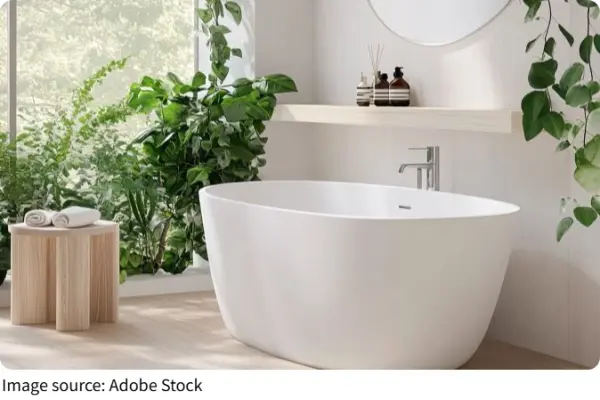
Choose a Bathtub Style
Different bathtub styles create different looks and installation requirements. A built-in bathtub is surrounded by a finished wall or platform and can provide a neat, practical appearance. Freestanding tubs sit independently and can become a strong visual feature in a larger bathroom.
Corner tubs are another option when the layout allows them. They can fit into areas that might otherwise be difficult to use. Meanwhile, soaking tubs are designed with greater depth, making them appealing for anyone who enjoys longer, more relaxing baths.
Pay Attention to Materials
Bathtubs are made from several materials, and each has its own advantages. Acrylic is widely used because it is relatively lightweight, easy to clean, and available in many shapes. Fiberglass is another lightweight choice and can be suitable for projects where installation needs to remain simple.
Cast iron tubs are much heavier but are known for their solid construction and ability to retain heat. Other materials, including composite and stone-based options, can offer distinctive appearances but may require stronger floor support because of their weight.
Think About Comfort
A bathtub should fit the person using it, not just the bathroom. Pay attention to the tub's length, width, depth, and interior shape. Some designs provide more space for stretching out, while others are better suited to sitting upright.
The shape of the backrest and the position of the sloped ends can also affect comfort. If possible, try sitting in a showroom model before buying. A tub that looks spacious may feel surprisingly restrictive once inside. Also consider the height of the tub's edge. A very tall model can be harder to step into, while a lower edge may be more convenient for everyday use.
Consider Installation and Maintenance
Installation requirements should be checked before making a final decision. Some tubs require specific plumbing arrangements, additional floor support, or professional installation. The location of the drain and water supply can also affect which models are suitable.
Match the Tub to the Bathroom Design
Once practical requirements are clear, consider the overall appearance. A bathtub should complement the bathroom rather than compete with every other feature. For a simple, modern room, a clean-lined tub can create a cohesive look. Traditional spaces may suit a more detailed design, while a larger bathroom can accommodate a freestanding tub as a focal point.
Set a Realistic Budget
The purchase price is only part of the total cost. Installation, plumbing adjustments, fixtures, support work, and accessories can all affect the final budget. A less expensive bathtub may become costly if the bathroom needs major changes to accommodate it.
Set a complete budget before choosing a model. Comparing several options within that range can help balance appearance, comfort, durability, and installation needs without unnecessary spending.
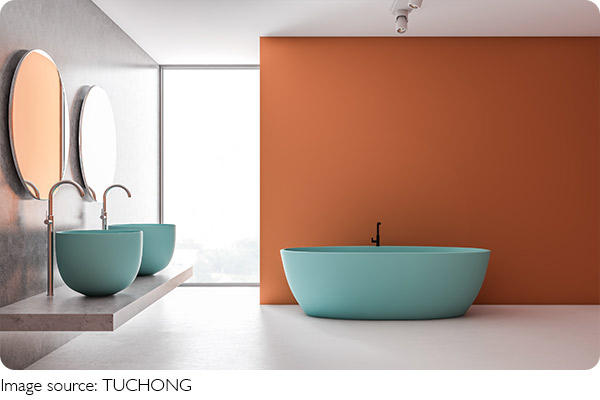
Choosing the perfect bathtub is really about finding the right balance between space, comfort, appearance, maintenance, and cost. Start by measuring the bathroom, then narrow the choices based on installation requirements and personal needs. After that, compare materials, styles, and features carefully.
A bathtub does not need to be the biggest or most expensive option to be a great choice. The right model is one that fits the room comfortably, works with the existing layout, and makes everyday bathing more enjoyable.