Why Less Feels Like More

Caroll Alvarado
| 15-10-2026
 · Lifestyle Team
Hello, readers. Walk into a room with clean lines, warm neutral tones, and sunlight pouring across a simple floor, and something shifts. The space feels calm without feeling cold. It looks intentional without feeling staged.
This is the idea behind warm minimalism, a design approach that has quietly become one of the most popular ways to shape a home in recent years.
Unlike the stark white minimalism that dominated earlier trends, warm minimalism embraces texture, natural materials, and soft earthy colors. It keeps things simple, but never sterile. For anyone who has ever felt overwhelmed by clutter or unsure where to start with decorating, this approach offers a surprisingly accessible path to a home that looks thoughtful and feels genuinely relaxing.
Dreaming of a cozy cottage interior? Blend soft colors, natural textures, vintage touches, and comfortable furniture!
Want a softer bedroom look? Cream tones create a warm, peaceful space with timeless charm!
Not sure which table fits best? Learn how to match size, shape, style, and function to your living room!
Grey sheets can feel luxe or gloomy. One detail decides it, and it is not the shade.
A little comfort can change everything! Turn an outdoor table into a welcoming spot for long meals!
Simple Bedroom Design Ideas That Can Make Your Space Feel More Comfortable, Organized, and Relaxing.
What Makes It Different
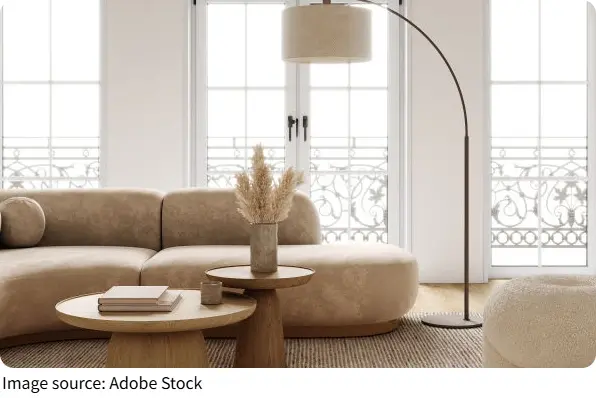
Traditional minimalism often focused on removing as much as possible. White walls, sharp edges, and very few visible objects created spaces that looked impressive in photographs but sometimes felt unwelcoming in daily life. Warm minimalism takes a different position. It still values simplicity and clear surfaces, but it introduces warmth through color, material, and light rather than stripping everything away.
Think of soft plaster walls in sand or clay tones instead of pure white. Curved doorways instead of hard rectangular frames. Wooden furniture with visible grain instead of glossy lacquered surfaces. Linen textiles instead of synthetic fabrics. Each element adds warmth and character while the overall space remains uncluttered. The result is a room that invites you to sit down and stay, not one that makes you afraid to touch anything.
Start With Color and Light
The foundation of a warm minimalist space is its palette. Neutral tones drawn from nature — soft beige, warm taupe, gentle brown, muted cream — create a backdrop that feels restful without being boring. These colors work together effortlessly, which means less stress when choosing paint, furniture, or accessories. When everything shares a similar tonal family, the room feels cohesive even with very few decorative objects.
Natural light plays an equally important role. Warm minimalist spaces tend to maximize daylight by keeping window areas clear and using light-colored surfaces that reflect and diffuse sunshine throughout the room. The interplay of light and shadow across simple surfaces becomes its own form of decoration. A bare curved wall with afternoon sunlight moving across it can feel more striking than a wall covered in artwork.
Choose Quality Over Quantity
One of the most practical benefits of this approach is that it encourages owning fewer, better things. Instead of filling a room with affordable pieces that need replacing every few years, warm minimalism favors well-made furniture and objects that age gracefully. A solid wood table, a comfortable chair with a simple silhouette, or a handmade ceramic vase can anchor an entire room without needing anything else around them.
This does not mean every item needs to be expensive. It means being selective about what earns a place in the room. Before adding something new, consider whether it serves a purpose or brings genuine enjoyment. If it does neither, the space is better without it. Over time, this habit naturally reduces clutter and makes the home easier to clean and maintain.
Texture Keeps It Interesting
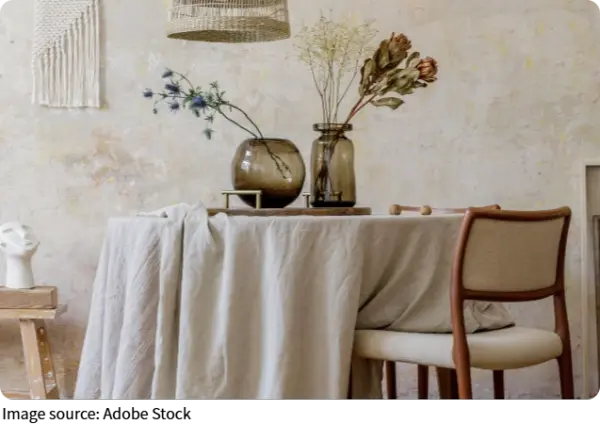
A common concern with minimalist spaces is that they might feel flat or monotonous. Texture solves this problem beautifully. Layering different materials — rough stone, smooth plaster, soft linen, woven wool, brushed wood — adds visual depth and tactile interest even when the color palette stays consistent. A room with three shades of beige can feel rich and layered when those shades appear across different textures and surfaces.
Architectural details like arched openings, curved niches, or rounded edges on furniture also add visual softness. These gentle shapes break up straight lines and create a sense of flow between rooms. They feel organic and welcoming in a way that sharp corners sometimes do not.
Final Thoughts
Warm minimalism works because it respects how people actually live. It does not demand perfection or emptiness. It simply asks you to surround yourself with fewer things that genuinely matter, presented in a space that feels calm and warm. Start small — clear one surface, choose one natural tone, let more light in — and notice how the room begins to feel different.
What element of your home would benefit most from a simpler, warmer approach? Share your thoughts with fellow readers.