Why Are Gearboxes Sealed?

Pankaj Singh
| 21-09-2026
 · Auto Team
Modern cars require fewer routine maintenance tasks than older vehicles, and transmissions are a major reason for that change. Many newer vehicles no longer have a traditional transmission dipstick, leaving owners wondering where the fluid went and whether it still needs attention.
These systems are designed around longer service intervals, tighter manufacturing standards, and fluids engineered to handle demanding conditions. However, sealed does not mean maintenance-free forever.

What Makes a Transmission Sealed?
A sealed transmission is designed without the traditional setup that lets an owner easily check or add fluid from under the hood. Instead, the transmission casing is closed, and checking or replacing the fluid usually requires access from underneath the vehicle.
When hand tools provide better control for precise automotive maintenance
How precise lane placement, clear visibility, and predictable movement improve everyday vehicle control
Driving on gravel? The right tire pressure and tread can make rural roads much easier!
Ready for a long highway drive? Use these smart SUV driving to make every mile easier!
Rocky trail ahead? Learn how to protect your SUV while tackling rough and uneven terrain!
Loading up your SUV? Too much weight on the roof can change handling and stability!
The transmission still contains fluid because lubrication and hydraulic functions remain essential. The fluid helps reduce wear, manage heat, and allow various internal components to operate correctly.
Because there is no simple dipstick, fluid level and condition are generally checked using a specific procedure. Depending on the vehicle, this can involve temperature monitoring, special filling equipment, or other manufacturer-defined steps.
Why Automakers Use This Design
One major reason is convenience. Many vehicle owners are not expected to perform transmission maintenance themselves, so manufacturers can design the system around longer service intervals. Modern transmission fluids are also engineered to maintain their properties over extended periods under normal operating conditions.
There is another practical advantage. Removing the dipstick and conventional filler arrangement reduces the possibility of incorrect fluid checks or accidental contamination. Using the wrong transmission fluid can cause serious problems, so limiting casual access can help prevent mistakes.
Sealed designs can also contribute to cleaner engine compartments and reduce the chance of fluid spills during routine checks. For manufacturers, these details fit into a broader approach toward making vehicles easier to own while requiring less frequent intervention.
Does Sealed Mean Lifetime Fluid?
This is where the subject becomes more complicated. The phrase lifetime fluid can sound as though transmission fluid never needs replacing, but the meaning depends on the vehicle manufacturer's maintenance philosophy and definition of the expected service life.
Transmission fluid can gradually deteriorate because of heat, friction, contamination, and operating conditions. Heavy loads, frequent stop-and-go driving, high temperatures, or demanding use can place additional stress on the transmission and its fluid.
Some vehicles may specify no routine fluid replacement under normal conditions, while others provide service intervals or special procedures. Therefore, owners should not assume that every sealed transmission follows the same maintenance schedule.
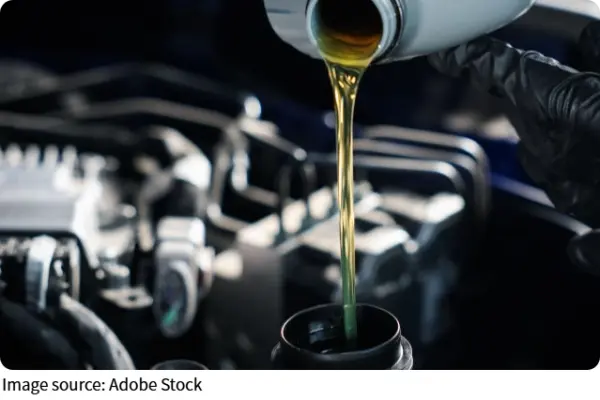
The Downsides of a Sealed Design
The biggest drawback is accessibility. With a conventional transmission, an owner or technician can often inspect the fluid relatively easily. A sealed unit requires more involved procedures, making routine checks less convenient.
Fluid condition can also provide useful clues about what is happening inside a transmission. Changes in appearance or unusual debris may indicate that further inspection is needed. With a sealed design, that type of check is generally left to a qualified technician.
Another issue is cost. Because checking the fluid requires the correct procedure and equipment, servicing may be more expensive than a basic fluid change on an older vehicle. This can become particularly important as a car gets older or changes owners.
What Owners Should Do
The best approach is not to ignore the transmission simply because it has no dipstick. Instead, check the maintenance information for the specific vehicle. Manufacturers can have very different recommendations, even among similar types of transmissions.
Warning signs should also receive attention. Delayed engagement, unusual noises, harsh shifting, slipping, or unexpected warning messages can indicate that professional inspection is needed. Waiting until a transmission stops working completely can turn a manageable problem into a much larger repair.
For owners who keep a vehicle for many years, asking a qualified service center about transmission-fluid inspection can also be worthwhile, particularly when the car has accumulated significant mileage or operates under demanding conditions.
Sealed transmissions are not designed to eliminate transmission fluid or make mechanical maintenance unnecessary. Their purpose is to reduce routine owner intervention while taking advantage of modern fluids, engineering, and manufacturing methods.

For everyday drivers, that can mean greater convenience. At the same time, the absence of a dipstick should not be interpreted as a guarantee that the transmission will never need service.
Understanding the manufacturer's maintenance guidance and paying attention to early warning signs remain important. A transmission may be sealed, but it is still one of the most hardworking systems in a modern car.