Power Tools in Car Care

Caroll Alvarado
| 22-09-2026
 · Auto Team
Power tools are valuable in automotive maintenance because they can remove fasteners quickly and reduce effort during repetitive work.
However, speed and torque are not appropriate for every task.
Certain components require careful thread engagement, controlled tightening, or a specific service procedure. In these situations, a hand tool can provide the precision and feedback needed to complete the job correctly.
Oil Pan and Drain Plug
The oil drain plug requires controlled handling because it threads directly into the oil pan or a threaded insert.
A power tool can loosen a tight plug efficiently, but a hand-operated socket wrench provides greater control during installation. If additional leverage is needed for removal, a longer-handled socket wrench can provide gradual force.
How precise lane placement, clear visibility, and predictable movement improve everyday vehicle control
Driving on gravel? The right tire pressure and tread can make rural roads much easier!
Ready for a long highway drive? Use these smart SUV driving to make every mile easier!
Rocky trail ahead? Learn how to protect your SUV while tackling rough and uneven terrain!
Loading up your SUV? Too much weight on the roof can change handling and stability!
A practical guide to preparing your vehicle for cold temperatures, changing road conditions, and comfortable winter travel
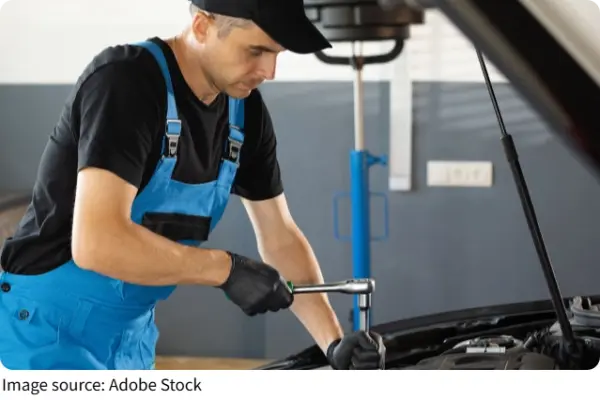
After installation, tighten the drain plug to the vehicle manufacturer's specified torque. This ensures the fastener is secured correctly without applying unnecessary force to the threaded connection.
Spark Plugs
Spark plugs require accurate thread engagement and controlled tightening.
A spark plug socket and hand-operated wrench make it easier to start the plug correctly and confirm that it is engaging the threads smoothly. Starting the plug by hand is an important step before applying tightening force.
Once the plug is properly seated, use the manufacturer's specified torque for final tightening. If removal requires additional leverage, work gradually rather than relying immediately on high-speed power.
Strut Shaft Nut
Strut assemblies require a vehicle-specific service procedure, particularly when working with the shaft nut.
Depending on the design, the shaft can rotate as the nut is turned. The correct procedure may therefore require a holding tool or another designated method to keep the shaft controlled.
A hand-operated socket can provide precise control, while specialized equipment may be required for particular designs. Always follow the manufacturer's service instructions for removal and installation.
Plastic Components
Modern vehicles use plastic for numerous covers, housings, fittings, and mounting components. These parts often require considerably less tightening force than larger metal assemblies.
A power tool can apply torque quickly, making precise control more difficult. A hand tool allows the fastener to be tightened gradually while the mechanic monitors resistance.
This is especially useful for fasteners installed directly into plastic or small threaded inserts. Controlled tightening helps maintain the intended fit and reduces unnecessary stress on the mounting area.
Choosing the Appropriate Tool
The right tool depends on the fastener, surrounding material, required torque, and manufacturer's service procedure.
Power tools are well suited to applications where their speed and torque are appropriate. Hand tools are preferable when thread engagement, tightening precision, or material sensitivity calls for greater control.
Using both types of tools strategically creates a more efficient maintenance process without sacrificing accuracy.
Precision Over Speed
Good automotive maintenance is not measured solely by how quickly a task is completed. The objective is to use the appropriate technique for each component.
Oil drain plugs, spark plugs, strut shaft nuts, and plastic fittings demonstrate why controlled tool selection matters. When precision is more important than speed, a hand-operated tool can provide the feedback and gradual force necessary for accurate work.
For home mechanics, knowing when to put the power tool aside is part of working efficiently. The best tool is the one that matches the requirements of the job.