Curb Parking Wheel Risks?

Raghu Yadav
| 22-09-2026
 · Auto Team
Parking close to a curb may seem harmless, especially on a crowded street where every bit of space matters. However, repeatedly touching or climbing a curb can place stress on wheels and tires.
Even a gentle-looking contact can leave scratches, bend a wheel, or cause damage that is not immediately obvious. Understanding how curb parking creates these risks can help drivers park more carefully and recognize warning signs before a small problem becomes a larger one.
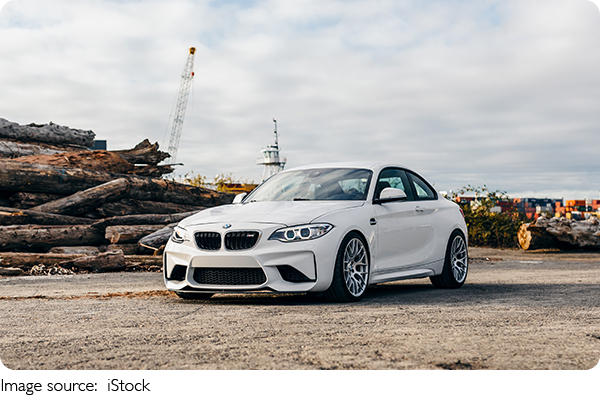
How Wheels Hit the Curb
Wheel damage often begins with simple contact. When a vehicle is positioned too close to the road edge, the tire or wheel can touch the curb while the driver is turning into or out of a parking space.
The risk increases when the car moves at an angle or when the wheel is turned sharply. Instead of the tire making light contact with the curb, the wheel's outer edge can rub against the concrete surface.
Summer driving in an EV? Try these simple ways to manage heat and protect your vehicle!
Practical driving and care habits for preserving a low sports car's exterior and underbody
Practical care for fluids, tires, suspension, drivetrain systems, and off-road readiness
Your Tires Are Trying to Tell You Something — Most Drivers Never Notice!
Europe’s electric vehicle transition is accelerating, but affordability, infrastructure and industrial challenges remain.
New car registrations increase in August as electric vehicles and fleet demand support market recovery.
Wheel Alignment Can Be Affected
A stronger curb impact can affect more than the wheel itself. Suspension and steering components are connected to the wheel, so a hard impact can potentially alter their positioning. One possible warning sign is that the vehicle no longer feels as though it tracks normally. The steering wheel may also sit differently when the car is traveling straight.
Low-Profile Tires Need Extra Care
Cars fitted with low-profile tires can require additional attention around curbs because there is less sidewall between the wheel and the road surface. The shorter sidewall can change how an impact is transferred to the wheel. This does not mean every low-profile tire will suffer damage from minor contact, but drivers should avoid treating the curb as a harmless stopping point.
Turning While Near the Curb
Curb contact does not only happen while parking. It can occur when pulling away from a space, especially if the steering is turned sharply before the car has moved far enough from the road edge. Before turning out, move forward or backward enough to create adequate clearance. Then steer smoothly once the vehicle is away from the curb.
Don't Use the Curb as a Parking Guide
Some drivers gently roll the tire against a curb to judge where the vehicle has reached the edge of a parking space. Although this may feel convenient, it creates unnecessary contact. Instead, use the mirrors, parking sensors, cameras, and visual reference points available in the vehicle. These tools can help estimate the car's position without relying on physical contact.
Inspect After a Hard Impact
If a wheel hits a curb with noticeable force, do not assume everything is fine simply because there is no obvious scratch. Check the tire for visible damage and look at the wheel for dents or changes in its shape. During the next drive, pay attention to new vibrations, unusual steering behavior, or changes in handling.
Park With a Little More Space
There is usually little benefit in positioning the vehicle extremely close to the curb. Leaving a modest amount of space makes it easier to avoid contact when entering or leaving the parking spot. The exact distance depends on the road, traffic, and parking rules. The priority should be a stable position that does not interfere with other road users while keeping the wheels safely away from the curb.
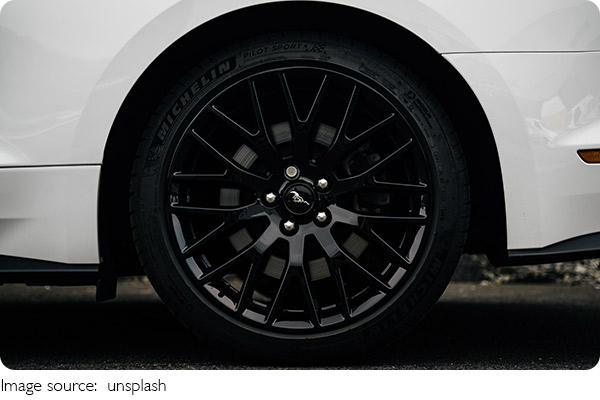
Curb parking can damage wheels through repeated rubbing, sudden impacts, and careless steering near the road edge. The consequences can range from cosmetic scratches to tire or suspension concerns after a harder impact.
Careful positioning makes a difference. Use the vehicle's mirrors and parking aids, avoid using the curb as a physical guide, and leave enough room to maneuver safely. A few extra inches of awareness can help keep the wheels looking better and reduce the chance of an expensive surprise later.