UK Car Sales Rise

Amit Sharma
| 15-09-2026
 · Auto Team
The UK new car market recorded strong growth in August 2026, with registrations rising by 17.5% compared with the same month a year earlier, according to industry data.
A total of 82,132 new passenger cars were registered during the month, marking the strongest August performance since 2020. However, the market remained below pre-pandemic levels, showing that the recovery of the automotive sector is still developing.
The increase came despite continued economic uncertainty, higher financing costs and pressure on household budgets. Industry experts said stronger demand for electric vehicles, company fleet purchases and manufacturer incentives helped support sales during a traditionally quieter period before the September registration plate change.
European new car registrations improve in 2026 as electric vehicles gain ground and market conditions stabilise.
From electric sports cars to hybrid super SUVs, the next generation of vehicles promises major changes in design and performance.
New car registrations rise sharply in August as electric vehicles continue gaining ground in the UK market.
Used electric vehicles are selling faster across Europe as demand improves and inventory levels decline.
Master braking, steering, vision, apex selection, and throttle control for precise performance on a closed circuit
How front-end aerodynamics, airflow control, and ground clearance shape sports-car design
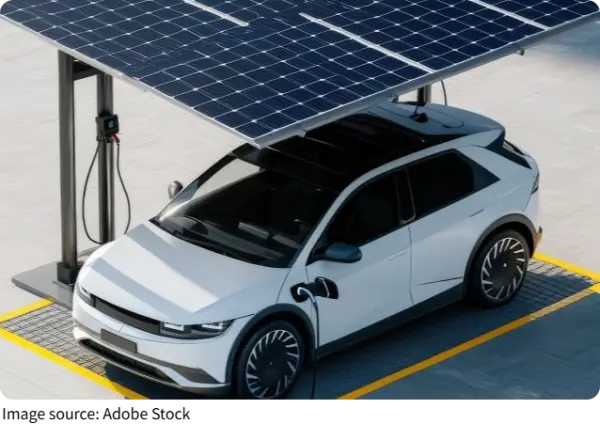
Electric Vehicles Continue to Grow
Battery-electric vehicles remained one of the main drivers of market growth in August.
Electric cars continued to increase their share of new registrations as manufacturers expanded their model ranges and competition intensified. A wider choice of electric vehicles, improved battery technology and growing charging infrastructure have encouraged more drivers to consider switching from traditional petrol and diesel cars.
The UK’s Zero Emission Vehicle mandate has also played an important role in accelerating the transition. The regulation requires manufacturers to ensure that an increasing proportion of their new car sales come from zero-emission vehicles.
However, demand remains uneven between different customer groups. Company fleets have adopted electric vehicles more quickly because of financial incentives and potential savings on operating costs, while private buyers continue to consider factors such as purchase prices, charging access and resale values.
Fleet Market Supports Growth
Business and fleet registrations were a significant contributor to August’s positive results.
Companies replacing vehicles have continued to support demand, particularly as businesses seek to reduce operating costs and meet environmental targets. Fleet purchases have become increasingly important for electric vehicle adoption because many of these cars later enter the used-car market, making electric models more accessible to private buyers.
At the same time, individual consumers remain more cautious. Higher interest rates and increased vehicle financing costs continue to influence purchasing decisions, especially for households with limited budgets.
Manufacturers have responded with discounts, special offers and flexible finance packages designed to encourage customers to choose new vehicles.
Industry Faces Major Transition
The rise in registrations comes during a period of significant change for the UK automotive industry.
Manufacturers are investing billions of pounds in electric vehicle development while adapting to stricter emissions regulations and changing consumer expectations. At the same time, companies are facing challenges linked to production costs, global competition and uncertainty around future government policies.
The Zero Emission Vehicle mandate remains a key issue for manufacturers. Companies that fail to meet annual targets may face financial penalties, although the system allows some flexibility through mechanisms such as credit trading.
Positive but Uneven Recovery
The August figures provide encouraging news for the UK car market, but challenges remain. The industry is recovering gradually rather than returning immediately to previous levels of demand.
Electric vehicles are becoming an increasingly important part of the market, but wider adoption will depend on affordability, charging infrastructure and consumer confidence.
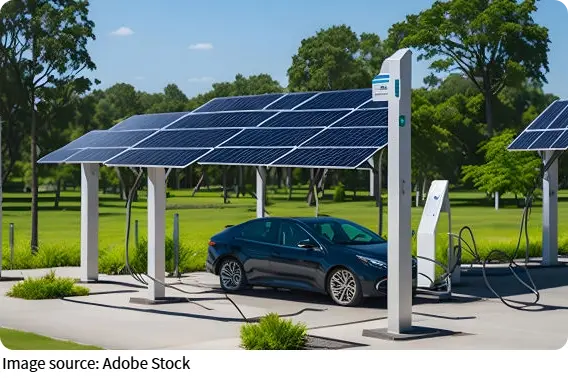
The latest registration data shows that the UK automotive sector is moving forward, supported by stronger electric vehicle sales and renewed demand from businesses. However, the transition towards a lower-emission transport system will continue to require investment, adaptation and close cooperation between manufacturers, policymakers and consumers.