Why EV Range Falls in Cold

Pardeep Singh
| 23-09-2026
 · Auto Team
Hi, and welcome back. Winter electric-car driving becomes easier to plan when range, battery temperature, cabin heat, and road grip are considered together. Low temperatures can reduce available battery energy and limit power until the pack warms. Heating the cabin, windows, seats, and battery also draws energy that could otherwise support distance.
The size of the change varies with vehicle design, trip length, speed, weather, parking conditions, and heating choices, so a dashboard estimate should be treated as a changing forecast rather than a fixed promise. Conditions may change again during the return leg.
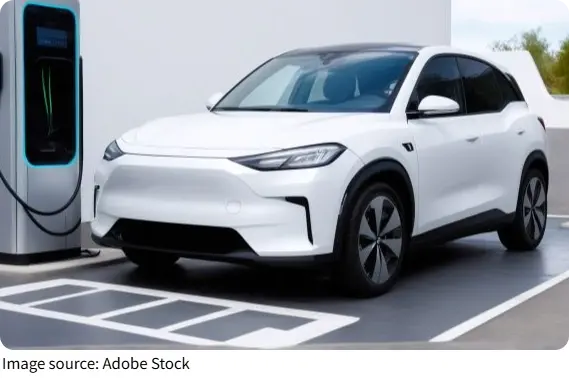
Understand the Cold Losses
Battery chemistry works less efficiently when the cells are cold, and the vehicle’s management system may limit acceleration, regenerative braking, or fast-charging power to protect the pack. Short trips can show a larger percentage change because the car spends much of each drive warming itself.
Thousands of UK garages are gaining a new photo-upload feature designed to strengthen MOT checks and deter fraud.
Britain may lower its 2030 electric-car sales target as manufacturers push for more flexibility in the transition.
Zero-emission trucks and buses are gaining market share across the EU as manufacturers accelerate their shift to electric fleets.
A practical guide to preparing your SUV, equipment, and driving technique for rocky and uneven trails
About €151 million will support next-generation vehicle projects while securing more than 1,800 UK jobs.
How to identify tread wear, aging, cracks, bulges, pressure loss, and other signs that a tire may need replacement
A longer trip may become more efficient after temperatures stabilize, although cabin heat and winter road conditions continue to affect consumption.
Cold air is denser, winter tires can have greater rolling resistance, and wet or snowy roads require more energy to maintain progress. Wind and roof-mounted equipment can add further demand. Drivers should compare several similar trips instead of judging winter performance from one unusually difficult outing.
The energy display can reveal whether climate use, speed, elevation, or repeated cold starts are responsible for most of the difference.
Precondition While Plugged
Many electric vehicles can warm the cabin and battery before departure. Starting preconditioning while the car remains connected allows some of that energy to come from the charging supply instead of the traction battery.
Set the departure time early enough for the vehicle to complete its programmed cycle, and confirm whether the feature requires a specific charge level or charger connection in the owner manual.
Once moving, use seat and steering-wheel heat when available because warming occupied areas can require less energy than maintaining a high cabin temperature. Keep enough airflow on the glass to prevent fogging, since visibility takes priority over range.
Covered parking can reduce snow accumulation and extreme cooling, but charging connectors still need to be stored and handled according to the manufacturer’s instructions to prevent ice from interfering with proper seating.
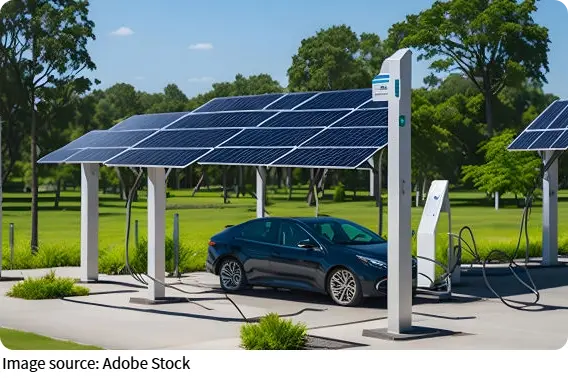
Plan Charging Margin
Begin a winter trip with enough energy for the route, detours, traffic, and a charging alternative. Check station access and operating status before departure, then review conditions again near the planned stop. A cold battery may accept fast charging more slowly until it reaches a suitable temperature.
Some cars can warm the pack automatically when a compatible charger is selected in the navigation system, but the exact behavior differs by model.
Do not apply one charge target to every vehicle or trip. Follow the maker’s daily charging guidance, then adjust within that guidance when severe weather or a longer route requires more margin. Charging can slow at a high state of charge, so waiting for the final percentage may add considerable time.
On a multi-stop route, two planned sessions with alternatives can be more dependable than relying on one charger near the limit of the predicted range.
Build Winter Traction
Electric drive can deliver torque quickly, but available grip still depends on tires and the road. Fit winter-capable tires when conditions and local requirements call for them, check pressure while cold, and clear snow from windows, lights, sensors, and the roof before moving. Use gentle accelerator and steering inputs, increase following distance, and test braking response at low speed in a safe area when the surface changes.
Regenerative braking may feel different when the battery is cold, nearly full, or traction is limited. Drivers should know how the brake pedal behaves when regeneration decreases and select any snow or low-grip mode according to the owner manual.
Carry suitable winter clothing, a charging cable where appropriate, a flashlight, food, water, and basic emergency equipment. Delay the trip when official road guidance indicates conditions exceed the car, tires, or driver’s ability.
Cold weather changes electric-car range and charging speed, but it does not make every winter trip unpredictable. Preconditioning, realistic energy margin, suitable tires, clear visibility, and smooth control give drivers a repeatable way to prepare for changing conditions.