Tire Replacement Signs

Ravish Kumar
| 23-09-2026
 · Auto Team
Lykkers, tires do not always show obvious signs when their condition begins to deteriorate.
Tread wear, aging, cracks, bulges, uneven wear, and repeated pressure loss can all indicate that a tire needs attention.
Regular inspections make it easier to identify these changes early. Instead of judging tire condition by mileage alone, we should consider the tire’s age, appearance, wear pattern, pressure, and overall condition.
Check the Tread
Tread-wear indicators are built into the grooves of modern tires. These raised sections provide a visual reference for remaining tread.
When the tread becomes level with the indicators, the tire has reached its wear limit and should be replaced. For passenger-vehicle tires, the commonly specified minimum tread depth is 2/32 of an inch (1.6 mm).
Practical techniques for maintaining control, visibility, and safe spacing when driving in wet conditions
Europe’s five biggest car markets are accelerating toward electrification, but each is taking a very different route.
Energy costs threaten UK car sector recovery and future competitiveness.
EVs gain ground in Europe as petrol and diesel lose share..
FCA's new redress scheme could return €8.85bn to motorists hit by unfair car finance deals (2007–2024).
Electric and hybrid cars pushed UK registrations to their strongest July since 2019, while petrol and diesel continued to lose ground.
Uneven wear also requires attention. Excessive wear along one edge, in the center, or in isolated areas can be associated with incorrect pressure, alignment issues, wheel imbalance, suspension problems, or driving conditions. Addressing the underlying cause can help prevent premature wear on replacement tires.
Check the Tire Age
Mileage alone cannot determine whether a tire remains suitable for use. Tires can age even when a vehicle is driven only occasionally.
The manufacturing date is marked on the tire sidewall. As tires age, factors such as heat, sunlight, weather exposure, storage conditions, maintenance, and use can affect their condition.
There is no single replacement age that applies to every tire. Older tires should be evaluated according to their condition and the relevant tire and vehicle guidance.

Inspect for Cracks and Damage
Examine the sidewalls and tread blocks for cracks, cuts, punctures, or other visible damage. Cracking can develop gradually as tires age and experience environmental exposure.
Extensive cracking or other significant damage should be professionally assessed. A visual inspection is particularly important before a long journey because it can reveal changes that may otherwise go unnoticed.
Look for Bulges
A bulge on the sidewall can indicate internal structural damage. It should never be dismissed as a cosmetic imperfection or addressed simply by adding air.
If a new bulge appears, the tire should be professionally inspected and replaced when necessary. Sidewall damage deserves particular attention because this part of the tire flexes continuously during normal driving.
Monitor Tire Pressure
Repeated pressure loss is another warning sign. Possible causes include a puncture, valve problem, wheel issue, or another source of air leakage.
Check tire pressure regularly using the recommended cold inflation pressure provided on the vehicle information label or in the owner’s manual. Correct pressure supports proper handling, braking performance, comfort, and even tread wear.
If a tire repeatedly loses pressure, the cause should be identified rather than simply adding air each time.
Check Before Long Journeys
A few minutes of inspection before a long trip can help identify potential problems. Walk around the vehicle and examine the tread, sidewalls, pressure, and overall appearance of each tire.
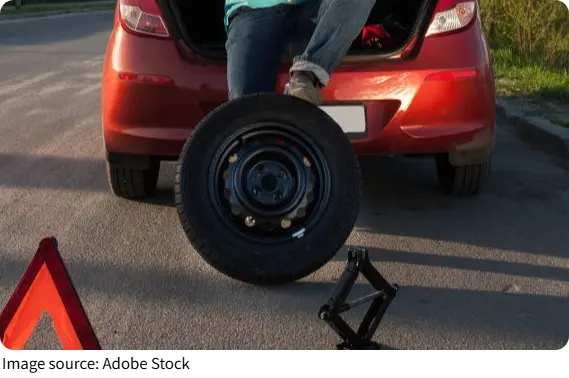
If the vehicle has a spare tire, inspect its condition and inflation as well. A spare that has remained unused for an extended period can still age and may not be ready for use when required.
Final Thoughts
There is no single mileage figure that determines when every tire needs replacement. Tread depth, age, wear patterns, visible damage, bulges, and pressure loss should all be considered when evaluating tire condition.
Lykkers, regular tire inspections are a simple part of responsible vehicle maintenance. When a tire shows significant wear, structural damage, persistent pressure loss, or another concerning change, having it professionally assessed can help ensure that the vehicle remains ready for the road.