Why Plants Seem Weak

Arvind Singh
| 31-07-2026
 · Plant Team
Hi, Readers! Some plants always seem a little tired, with leaves that droop, stems that lean, or growth that looks weak even when they are still alive.
This look is usually not random. In plant physiology, appearance is closely tied to water balance, cell pressure, light response, and environmental stress.
When a plant seems to have no energy, the real issue is often that its internal systems are struggling to maintain normal function.
Water and cell pressure
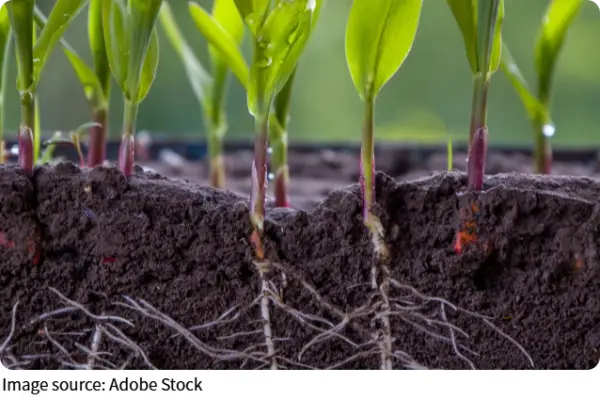
One major reason plants look limp is reduced turgor pressure. Plant cells stay firm when they hold enough water. This pressure keeps leaves open and stems upright. When water intake from the roots cannot keep up with water loss from the leaves, the cells lose firmness, and the whole plant starts to droop.
How indoor plants make living spaces calmer, greener, and more comfortable in everyday life
Simple care errors can quietly weaken healthy plants, from watering habits to poor light choices
Why caring harder can quietly overwhelm houseplants and how to help them recover
A speedy grass with clever growth tricks, sturdy stems, and a surprising place in everyday life
A quick look at how orchids branched into one of the biggest plant families on Earth
How some seeds wait out time with tiny survival tricks and spring back when conditions finally cooperate
This can happen from dry soil, damaged roots, poor drainage, or heat that speeds up water loss. Even when soil seems wet, roots may fail to absorb enough water if they are unhealthy or deprived of oxygen.
Light and growth patterns
Light strongly shapes how vigorous a plant appears. In low light, many plants stretch toward available light, producing thin stems and wider spaces between leaves.
This can make them look weak or unsteady. Plant responses to light are controlled through physiological signaling, and the result is a visible change in posture and structure. A plant may not be dying, but it may still look listless because it is allocating energy in a way that helps it search for better light conditions.
Roots and hidden stress
A weak-looking plant often has trouble below the soil surface. Roots need water, air, and suitable growing conditions. If the soil stays compacted or waterlogged, roots cannot function efficiently. They may lose the ability to support the upper parts of the plant with enough moisture and nutrients.
Since roots are hidden, the first visible clues often appear in the leaves and stems. A plant that looks consistently unwell may be showing the outward result of ongoing root stress rather than a problem in the leaves alone.
Temperature and environment
Plants respond quickly to unsuitable surroundings. Excess heat can increase water loss, while cold conditions can slow the movement of water and nutrients through tissues. Dry air may also cause leaves to lose moisture faster than roots can replace it.
In addition, sudden changes in environment can interrupt normal physiological balance. A plant that is moved from one place to another, or exposed to drafts or intense sun, may appear tired simply because it is adjusting to a new set of conditions.
Nutrient imbalance
Plants need a balanced supply of essential mineral nutrients for growth and structure. When these are lacking, leaves may pale, growth may slow, and the plant may appear weak overall. Too much fertilizer can also create stress by affecting water movement around the roots.
So a plant that seems to lack vitality is not always underfed. Sometimes it is receiving more than it can safely use, and the result is a strained, drooping appearance rather than healthy growth.
Natural rhythms and species traits
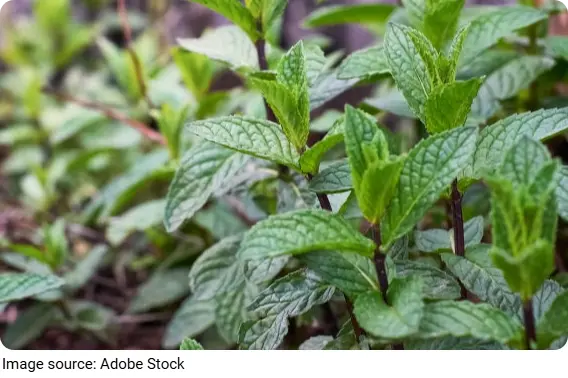
Not every relaxed-looking plant is unhealthy. Some species naturally have softer stems, trailing growth, or leaves that fold or droop at certain times. Plants also respond to daily cycles, adjusting leaf position with changing light and internal timing.
What looks like low energy may actually be part of normal physiology. That is why it helps to judge a plant by its overall pattern, not by a single momentary look.
Plants that always seem without spirit are usually signaling a mismatch between their needs and their environment. Water balance, root condition, light, temperature, and nutrients all shape how firm and lively a plant appears.
If you look closely and adjust care step by step, the cause often becomes much easier to understand. If you want, I can also turn this into a more practical home plant care guide with simple troubleshooting tips.