Tiny Time Capsules

Finnegan Flynn
| 25-08-2026
 · Plant Team
Hi, Readers! Some seeds are the ultimate procrastinators, and honestly, they make the rest of us look wildly inefficient.
While many sprout as soon as they get a bit of water and a cozy patch of soil, others can sit quietly for years, decades, or even far longer, waiting like tiny locked treasure chests. This long pause is called dormancy.
It is not laziness. It is a smart survival strategy that helps a plant avoid sprouting at the worst possible moment.
A seed contains an embryo, stored food, and a protective outer covering called the seed coat. In many kinds of seeds, that coat works like a super-stubborn front door. It can keep water and oxygen from getting in, which means the embryo stays inactive.
How parasitic plants tap into neighbors for water, minerals, and ready-made food
Why Some Plants Release Scent Only at Night: The Science of Evening Pollination
Why Deserts Explode With Color After Rain: The Science of Superblooms and Survival
Statement plants with oversized leaves that turn a quiet room into a lush, lively corner
Tiny trees, huge charm: why bonsai feels like art class and a walk in the garden at the same time
Turn a quiet corner into a leafy scene with smart grouping, texture, height, and a clear visual theme.
In other cases, the embryo itself is not ready to grow right away. It may need time to mature further or require certain environmental signals before growth can begin. Either way, the seed stays on pause until the outside world gives the right cue.
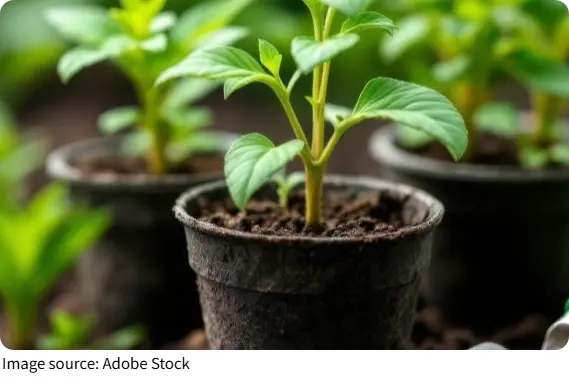
What keeps a seed asleep?
Dormancy can happen for several reasons. A hard seed coat is one of the biggest. If water cannot enter, the seed cannot begin the metabolic activity needed for germination. Some seeds also contain chemical regulators that hold growth back. These internal controls act like a tiny red traffic light, stopping the embryo from developing until conditions improve.
Temperature matters too. Certain seeds need a period of cold, warmth, or alternating conditions before they will wake up. Light can also play a role. Some need it, some avoid it, and some simply wait for a mix of signals that says, "Now is your moment."
This is incredibly useful in nature. If every seed germinated the instant it fell from a plant, many seedlings would be wiped out by cold, drought, or lack of light. Dormancy spreads the risk. It is a little like not putting every cookie on one baking tray when you know the oven runs hot in one corner. By delaying germination, plants improve the odds that at least some offspring will survive.
How can seeds last so long?
For a seed to remain viable for a very long time, it must stay protected from the things that slowly wear living tissue down. Dryness is a major factor. When seeds lose most of their water, their internal activity drops dramatically. That helps them conserve energy and avoid damage. Cool and stable conditions also help preserve viability.
If a seed is dry, protected, and not exposed to too much heat or moisture, it can remain alive in a dormant state far longer than most living things of similar size.
The seed coat also helps shield the embryo from physical damage and infection. Stored food inside the seed gives the embryo what it needs once germination begins, but while dormant, the seed uses extremely little energy. That is one reason some seeds can persist in soil for long periods. They are doing almost nothing, which turns out to be a brilliant way to survive.
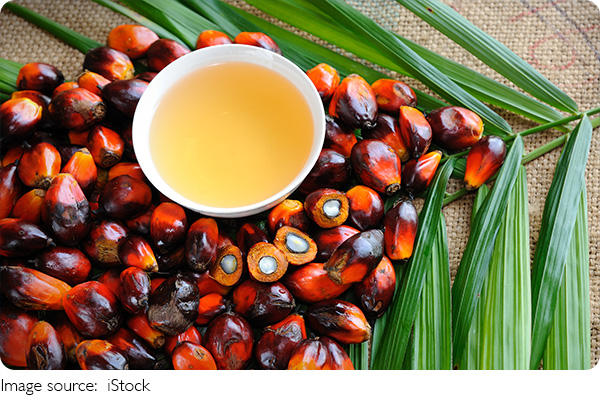
What wakes them up?
When the right conditions arrive, dormancy breaks. Water is usually the first big signal. It softens tissues, activates enzymes, and starts the biochemical machinery needed for growth. Oxygen is also needed because the embryo must begin respiration. Temperature cues can tell the seed that winter or summer has passed.
In some species, the seed coat must be scratched, softened, or broken down before water can enter. This process is often helped by weathering, microbes, or passage through natural environmental cycles.
Once dormancy ends and germination starts, the embryo resumes growth. The root emerges first, anchoring the plant and taking up water. Then the shoot grows upward. At that point the seed stops being a quiet little time capsule and becomes a full participant in the plant world.
In short, seeds can stay dormant for astonishingly long periods because dormancy protects the embryo, lowers internal activity, and prevents germination until conditions are favorable. It is one of nature's neatest waiting games. So the next time you see a seed, think of it as a tiny survival expert with the patience of a saint and the timing of a seasoned performer.