How Reef Fish Share Space

Declan Kennedy
| 26-11-2026
 · Animal Team
Hello, and welcome. A healthy coral reef can hold hundreds of fish species in a space you could swim across in a minute.
That density looks chaotic from the surface. Underwater, it runs on a set of rules that keep the whole crowd from collapsing into one winner.

Everyone Works a Different Shift
Some fish split the same reef by time of day rather than by space. On Caribbean reefs, squirrelfish and other big-eyed species hide in crevices during daylight and come out to hunt after dark, while parrotfish and surgeonfish graze the same coral in full sun. They pass through the same water without ever competing for the same meal at the same moment. That single habit, called diel partitioning, lets predators and grazers share real estate that would otherwise support only one of them.
Brown Bear Cubs Stay Close for Two Years, Then Leave. Here's How They Learn to Survive Alone
Discover How the Snow Leopard Changes Its Coat With the Seasons to Handle Extreme Mountain Conditions so Well
Common Reasons Behind Heavy Shedding and Simple Daily Habits That Actually Keep the Fur Under Control
From Tiny Cubs to Powerful Hunters Discover the Amazing Journey of a Tiger's Life and How It Changes With Age
Why Do Squirrels Have Bushy Tails? Discover How Their Fluffy Tails Help Them Balance, Stay Warm, and Communicate!
Discover Why Rabbit Ears Are So Special and How They Help With Hearing, Body Temperature, Communication, and Health!
Territory Is Smaller Than It Looks
Damselfish are the clearest example of how little space a fish actually needs. A male of the genus Stegastes will defend a patch of algae no bigger than a dinner plate, chasing off intruders many times its size. That tiny defended plot is enough to feed it and attract a mate. Because each damselfish stakes out such a small area, dozens of them fit onto one reef section. The aggression looks constant, but the scale of the fighting is modest.
Niche Jobs Cut the Competition
The Great Barrier Reef holds around 1,500 fish species, and a big share of them do not compete directly because they eat different things. Some scrape algae off rock, some pick parasites off larger fish, some sift plankton out of open water a few feet above the coral. The cleaner wrasse takes this further: it runs a fixed station where bigger fish line up to have parasites removed. That arrangement gives the wrasse a reliable food source that no grazer touches.
Recruitment Resets the Balance
Reef fish populations are not static. Most species release eggs into open water, and the larvae drift for weeks before settling back onto a reef. This larval dispersal means a crowded reef gets restocked from elsewhere, and a damaged patch can be recolonized by young fish arriving from a healthy one nearby. Settlement is not random, though. Studies of cardinalfish and damselfish show larvae use sound and chemical cues to pick a reef, and they tend to settle into the habitat that suits their species. Timing matters too: many species settle in the same narrow window each year, so the newcomers arrive together and spread across available space.
Size Separates the Neighbors
Even within one species, body size reduces conflict. On many reefs, small juveniles stay in shallow rubble near the reef crest while adults move into deeper water. The two groups rarely meet. This size-based separation, seen in everything from wrasses to groupers, means a single species can occupy several zones at once without its own members fighting each other for the same patch.
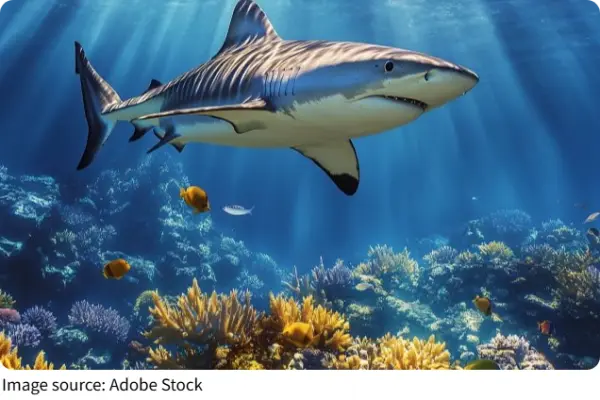
You can watch much of this on a single snorkel. Pick one coral head and stay still for ten minutes. You'll likely see a damselfish hold its patch, a parrotfish cruise past, and a cleaner wrasse working its station, all within arm's reach of each other. The crowding is real, but so is the order underneath it. Next time you look at a busy reef, watch for who eats what and when, and the whole arrangement starts to make sense.