Beautiful Iris Blooms

Caroll Alvarado
| 18-11-2026
 · Lifestyle Team
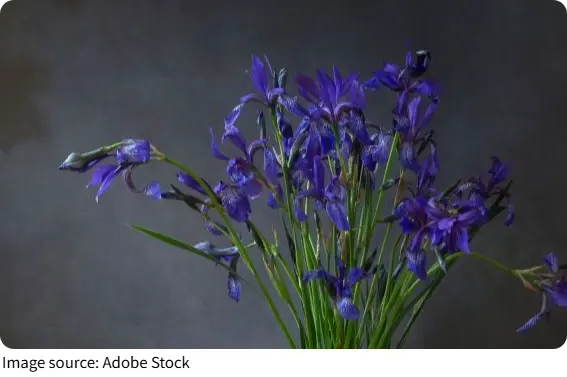
Irises are beautiful flowering plants recognized by their elegant petals and butterfly-like shapes. Available in shades of blue, purple, white, and yellow, they bring color to gardens and balconies.
However, some gardeners find that their irises produce plenty of green leaves but very few flowers. Others notice dry leaf tips or unhealthy roots. Fortunately, proper sunlight, watering, soil preparation, and feeding can help improve their growth.
1. Provide Plenty of Sunlight
Sunlight plays an important role in iris flowering. Although these plants may survive in partially shaded locations, insufficient light can encourage leafy growth while reducing flower production.
Choose a bright location where irises receive at least six hours of direct sunlight daily. A sunny balcony, patio, or open garden area can provide suitable conditions.
A calm living room starts with measurements and routines, not a shopping list.
No room to spare? Turn your small balcony into a beautiful green space with planter boxes!
A sheltered seat, adjustable layers, and a light bag make it easier to settle in with a book outdoors.
What each sofa material really gives you, from cleaning and wear to cost and feel.
Size, material, and base style matter more than the finish you fall for first.
How can lighting change your living room? Creative ideas bring warmth, comfort, and modern style!
For container-grown plants, observe how sunlight moves across the space. Nearby walls, trees, or larger plants may create unwanted shade. If your irises grow healthy leaves but rarely produce flowers, insufficient sunlight may be one possible reason.
2. Water Without Soaking the Roots
Irises generally prefer soil that drains well. Their thick underground rhizomes can suffer when surrounded by excessive moisture for long periods.
Before watering, check the upper two to three centimeters of soil. If this layer feels dry, water thoroughly and allow the excess to drain away.
During warm weather, check moisture more frequently. In cooler or rainy conditions, reduce watering when the soil remains damp.
Containers should always have drainage holes. Standing water can increase the risk of root and rhizome problems, including soft rot.
3. Choose Loose, Well-Draining Soil
Good soil provides the foundation for healthy iris growth. Compacted soil may retain too much water, making it difficult for underground roots to develop properly.
For container growing, combine leaf mold, perlite, and river sand to create a loose growing mixture with good drainage.
Planting depth is equally important. Avoid burying the rhizome too deeply. Leaving a small portion of its upper surface exposed can help prevent moisture from accumulating around it.
Before planting in a garden bed, loosen the soil and check that water can drain away easily.

4. Prune After Flowering
Once an iris flower fades, remove the spent flower and its flower stalk. This keeps the plant tidy and prevents unnecessary energy from being directed toward seed development.
However, avoid cutting away healthy green leaves after flowering. They continue producing energy that the underground rhizomes can store for future growth.
Remove damaged or completely dry leaves when necessary, while keeping the remaining healthy foliage intact.
5. Feed Plants at the Right Time
Appropriate feeding can support healthy growth and flowering. The source material recommends potassium dihydrogen phosphate as a supplementary fertilizer because it provides phosphorus and potassium.
For foliar application, the suggested dilution is approximately 1 gram per liter of water. Apply a fine mist to the leaves during spring growth, from the appearance of new leaves until flower buds develop. The suggested interval is around ten days.
During budding, diluted fertilizer can also be applied to the soil once a month. Always follow the product instructions, avoid excessive feeding, and do not fertilize plants growing in waterlogged soil.
6. Identify Common Growing Problems
If your irises produce leaves without flowers, first review their sunlight exposure, watering habits, and planting depth.
Dry or darkened leaf tips may also indicate unsuitable growing conditions. Check whether the soil drains properly and whether the plants receive enough sunlight.
Make adjustments gradually rather than changing every growing condition at once. This makes it easier to understand how your plants respond.
Final Thoughts
Growing beautiful irises does not require complicated techniques. Consistent sunlight, careful watering, suitable soil, timely pruning, and balanced feeding can all contribute to healthier plants.
If your irises have stopped flowering, review their growing conditions and make a few practical improvements. With patience and regular care, these elegant flowers can bring fresh color to your garden or balcony year after year.
7 Reasons Why Your IRIS is NOT Blooming |#gardening
Video by Marlene's Home & Garden