Watching Deer Safely

Arvind Singh
| 16-11-2026
 · Animal Team
Spotting a deer at the edge of a forest can be a memorable wildlife experience. Whether grazing quietly or moving through the trees, these animals offer a fascinating glimpse into nature. The best encounters happen when observers remain patient, maintain a respectful distance, and allow deer to behave naturally.
Deer inhabit forests, grasslands, mountains, and wetlands around the world. Their appearance and behavior vary by species, habitat, and season. Learning a few basic characteristics and safety principles makes it easier to appreciate these animals without creating unnecessary risks for wildlife or visitors.

Learn to Identify Deer Correctly
Deer are hoofed mammals belonging to the family Cervidae. Most species have antlers, which are generally branched structures that grow from the skull and are shed and regrown periodically. In most species, males develop antlers, although female reindeer can also grow them.
Rabbits see almost all around them, hop with springs in their legs, and more; they are cute and fascinating critters
Hedgehogs sleep through the day and take over after dark. Here's what drives their nighttime schedule
Discover How to Care for Black Swans and Create a Clean, Safe, and Comfortable Home for These Graceful Birds
What happens when jaguars roam the wild? Get a closer look at their habits, skills, and world
Why Do Cats Switch Between Clingy and Independent? Discover What Your Feline Friend Really Wants
What Do Wild Hedgehogs Eat? Discover Their Favorite Foods and How They Find Meals in the Wild Every Night
Deer are sometimes confused with gazelles and other antelopes. These animals generally have permanent horns covered in keratin rather than antlers that are shed annually.
Body shape, body markings, and habitat can provide additional identification clues. However, appearance alone may not always establish the exact species, particularly when viewing an animal from a distance.
Understand Their Feeding and Daily Habits
Deer are herbivores, but their diets include much more than grass. Depending on the species and habitat, they eat leaves, shoots, twigs, grasses, and other vegetation.
As ruminants, deer have specialized digestive systems that allow them to process fibrous plant material. They often regurgitate partially digested food and chew it again.
Many deer are particularly active around dawn and dusk, although their routines change with weather, season, and human activity.
For rewarding observations, watch quietly from established trails or designated wildlife viewing areas. Binoculars help reveal details without requiring a closer approach.
Keep a Respectful Distance
Wild deer may appear calm, but they can react quickly when threatened. Never assume an animal is comfortable simply because it remains standing nearby.
Follow the minimum viewing distances established by local wildlife authorities. Where no specific distance is required, stay far enough away that the deer continues its normal activities without responding to your presence.
Signs of disturbance include repeated staring, increased alertness, sudden movement, or abandoning a feeding area.
If a deer moves away, do not follow it. Use binoculars or a zoom lens for closer views instead.
Avoid touching deer, approaching resting animals, or attempting to attract their attention with noises or food.
Never Feed Wild Deer
Offering food may seem harmless, but feeding wild deer can create serious problems. Bread, snacks, and other unfamiliar foods may disrupt their natural diets, while repeated feeding can encourage animals to approach people and roads.
Deer that associate visitors with food may become less cautious around vehicles and populated areas, increasing the risk of accidents.
Keep food securely stored and dispose of leftovers properly.
If a deer approaches, remain calm and avoid offering anything. Create additional space when it is safe to do so.
Allowing deer to find their own natural food helps preserve their normal behavior and reduces unnecessary dependence on human activity.
Take Extra Care During Sensitive Seasons
Deer behavior can become less predictable during breeding periods. Males may compete for mates, display heightened aggression, or become less attentive to nearby people.
Females accompanied by young also require considerable space. Never approach a fawn or attempt to separate it from its mother.
A young deer resting alone is not necessarily abandoned. Mothers commonly leave their young concealed while feeding nearby.
Dogs can create additional problems by frightening or chasing deer. Keep pets under control and follow local leash requirements.
If deer appear agitated or focused on interactions with other animals, increase your distance rather than attempting a closer photograph.
Stay Alert on Roads and Know When to Seek Help
Deer frequently cross roads near forests, fields, and other natural habitats. Reduce speed in areas with wildlife warning signs, especially around dawn and dusk.
If one deer crosses the road, remain alert because others may follow. Brake safely, avoid sudden dangerous swerves, and allow animals time to move away.
Never stop in an unsafe location simply to photograph wildlife.
If you encounter an injured, trapped, or distressed deer, keep people and pets away. Contact the appropriate wildlife authority or rescue organization rather than attempting to handle the animal yourself.
Even an injured deer can kick or struggle with considerable force. Professional assistance offers a safer response for everyone involved.
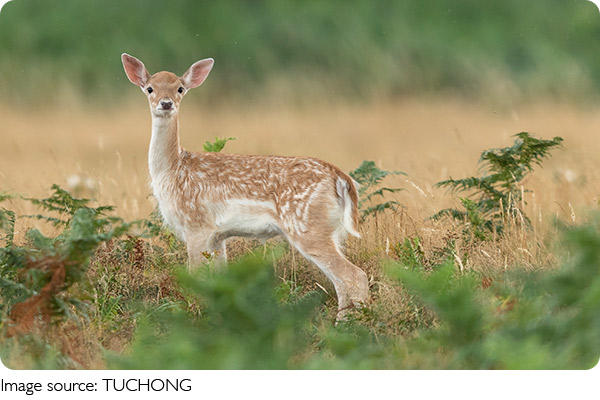
Watching deer safely is about appreciating wildlife without interfering with its natural behavior. Learning basic identification features, observing feeding habits, and maintaining a respectful distance can make every encounter more rewarding.
Avoid feeding or touching wild animals, keep dogs under control, and remain cautious around breeding deer and young fawns.
Whether observing deer in a forest or spotting them beside a country road, patience is the most valuable tool. A successful encounter leaves the animals free to continue their lives undisturbed.