Springboks Desert Survival

Declan Kennedy
| 19-11-2026
 · Animal Team
When the dry season arrives across southern Africa, finding fresh water becomes a challenge for many animals. Rivers and natural pools may disappear, while vegetation becomes increasingly dry.
Yet springboks continue to survive in some of these harsh environments. These graceful antelopes have developed remarkable ways to obtain moisture without depending entirely on rivers, lakes, or waterholes.

Getting Water From Succulent Plants
One of the springbok's most important survival strategies is choosing vegetation that contains plenty of moisture. During dry periods, they adjust their diet to include succulent leaves, flowers, fruits, and other plant materials that retain water. Succulent plants store moisture in their leaves and stems, making them valuable food sources when surface water becomes scarce. Springboks also feed on certain shrubs, including species of Acacia, which can provide both nourishment and hydration.
Rabbits see almost all around them, hop with springs in their legs, and more; they are cute and fascinating critters
Hedgehogs sleep through the day and take over after dark. Here's what drives their nighttime schedule
Discover How to Care for Black Swans and Create a Clean, Safe, and Comfortable Home for These Graceful Birds
What happens when jaguars roam the wild? Get a closer look at their habits, skills, and world
Why Do Cats Switch Between Clingy and Independent? Discover What Your Feline Friend Really Wants
What Do Wild Hedgehogs Eat? Discover Their Favorite Foods and How They Find Meals in the Wild Every Night
In particularly dry environments, they may consume wild melons, cucumbers, and other moisture-rich vegetation. These food sources help maintain their body's water balance without requiring frequent visits to drinking areas. Their feeding choices are flexible rather than fixed. When fresh grass becomes available after rainfall, springboks can include more grass in their diet. When conditions become drier, they shift toward vegetation that provides more moisture.
Why Early Morning Feeding Matters
The timing of feeding can make an important difference to how much moisture springboks obtain from their surroundings. Research conducted on free-ranging springboks in the Kalahari Desert found that individuals without access to drinking water selected flowers, seeds, and shrub leaves with high moisture content.
Some of these food sources are particularly succulent before sunrise. Cooler overnight conditions can help vegetation retain moisture, making early morning a useful feeding period. Springboks can therefore benefit from selecting suitable plants before the daytime heat becomes intense.
Certain desert plants can also collect moisture in cool, humid conditions. Dew and atmospheric moisture may contribute to the water available to vegetation, although the main source of hydration remains the food itself. This combination of selective feeding and suitable timing helps springboks make better use of limited natural resources.
Their Bodies Are Designed to Conserve Water
Finding moisture is only part of the survival process. Springboks also have physiological adaptations that help prevent unnecessary water loss.
They also have relatively low energy and water requirements compared with animals that depend heavily on regular drinking. This efficient use of resources helps them remain active in environments where fresh water is not consistently available.
However, their ability to survive without drinking depends greatly on what they eat. Research published in the Journal of Mammalogy in 1994 found that free-ranging springboks in the Kalahari could maintain their water balance without drinking when their food contained at least 67 percent water.
They Still Visit Waterholes When Available
Although springboks can survive without regular access to surface water, they do not completely avoid drinking. When natural pools, rivers, or artificial waterholes are available, they will use them. Their drinking habits can change depending on rainfall, temperature, and the moisture content of their food. When rain improves vegetation conditions, they may obtain enough hydration from plants and reduce their visits to water sources.
During particularly hot and dry periods, however, access to drinking water can become more useful. Research in the Kalahari has documented springboks visiting water sources regularly, sometimes every 1 or 2 days. This shows that their ability to live without drinking should not be confused with a lack of need for water.
Moving to Areas With Better Vegetation
Springboks also respond to changing rainfall patterns by moving toward areas with growing vegetation. Rainfall can create small patches of green plants across otherwise dry landscapes. These areas provide valuable feeding opportunities, encouraging springboks to travel in search of better food.
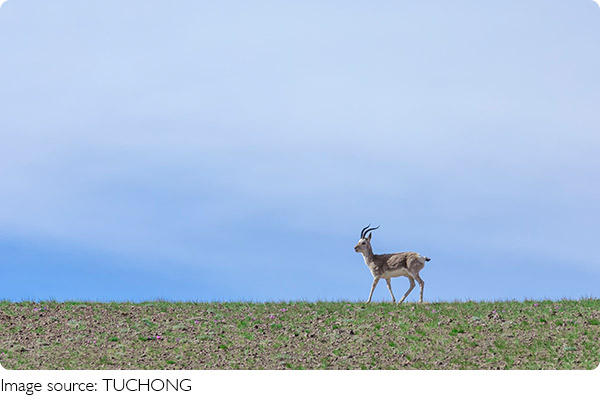
Springboks have developed an impressive combination of feeding habits, physiological adaptations, and movement patterns that help them survive during the dry season. Their survival strategy demonstrates how animals living in dry environments can make effective use of available resources, turning ordinary vegetation into an essential source of hydration.