How Plants Make Their Food

Chris Isidore
| 09-11-2026
 · Plant Team
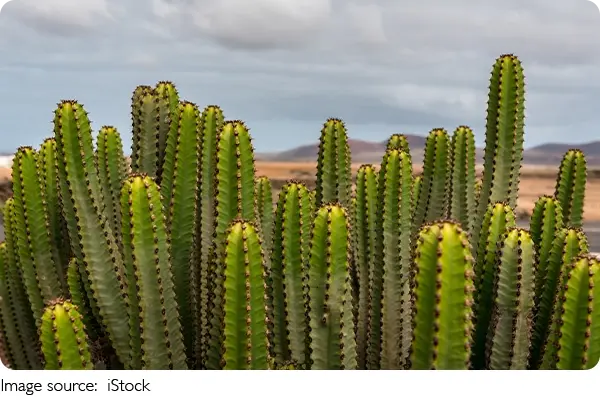
Plants may look quiet and still, but inside their green tissues, an essential process takes place whenever conditions are right. From broad leaves to the thick green stems of desert cacti, plants use sunlight, water, and carbon dioxide to produce the sugars they need for growth.
This process is called photosynthesis, and it also releases oxygen and supports most food chains on Earth. While many plants perform it mainly in their leaves, cacti show how the same process can be adapted to survive in environments where water is scarce.
What Photosynthesis Means
Photosynthesis is the process by which plants convert light energy into chemical energy stored in sugars. It requires sunlight, water absorbed from the soil, and carbon dioxide taken from the air.
How do trees straighten themselves? Scientists reveal the hidden forces that help them stand tall!
Plants may cope with water shortages by shifting more root cells into a newly identified environmental response state.
See how evening light transforms flower stalls, with tips for choosing fresh blooms after sunset
Your plant isn't dying. It's adjusting. Here's how to help it settle in without panic
New research reveals how clever planting can dramatically reduce stormwater damage and protect homes from flooding.
A rare flowering plant found nowhere else on Earth reveals surprising secrets in a familiar American forest.
Through a series of chemical reactions, plants use these materials to produce carbohydrates, including glucose, while releasing oxygen as a byproduct.
These sugars provide energy and building materials for growth, helping plants develop new roots, stems, leaves, and flowers.
Cacti follow the same basic process as other green plants, even though their appearance and methods of conserving water are quite different.
Where It Happens in the Plant
Most plants carry out photosynthesis primarily in their leaves. Inside plant cells are tiny structures called chloroplasts, which contain chlorophyll, the green pigment that absorbs light.
The broad surfaces of ordinary leaves help capture sunlight, while small openings called stomata allow carbon dioxide to enter.
Cacti have a different arrangement. In most familiar desert cacti, leaves have been reduced to spines, helping limit water loss. Their green stems contain chloroplasts and perform most of the photosynthesis instead.
These thick stems also store water, allowing cacti to continue functioning during long dry periods.
How Light Starts the Process
Photosynthesis begins when chlorophyll and other pigments absorb light energy. This powers reactions inside chloroplasts that help split water molecules and release oxygen.
The light-dependent reactions also produce ATP and NADPH, two molecules needed for the next stage of sugar production.
In cacti, sunlight reaches the chloroplasts within their green stems rather than broad leaves.
Their stems are adapted to withstand intense sunshine, although cacti still require suitable temperatures and enough water to function properly.
Whether the plant is a cactus in a desert or a tree in a forest, light provides the energy that starts this essential process.
How Sugar Is Made
After light energy is captured, plants use ATP and NADPH to help convert carbon dioxide into carbohydrates through the Calvin cycle.
These carbohydrates can be used to build glucose, stored as starch, or turned into materials such as cellulose that support plant structure.
Many desert cacti have an additional adaptation called crassulacean acid metabolism, or CAM photosynthesis.
Instead of opening their stomata mainly during the day, these cacti generally open them at night, when temperatures are cooler and water loss is lower.
They store the absorbed carbon dioxide in the form of organic acids, then release it internally during daylight for sugar production.
This allows them to conserve water while continuing to make food.
Why Photosynthesis Matters
Photosynthesis supports life far beyond the plants performing it. By storing sunlight's energy in organic compounds, plants provide the foundation for many food chains.
Animals obtain this energy directly by eating plants or indirectly by consuming other animals.
Photosynthesis also releases oxygen and helps move carbon through ecosystems.
Even in dry environments, cacti play important ecological roles. Their flowers, fruits, and stems provide food or shelter for birds, insects, and other desert animals.
Their ability to produce food while conserving water helps sustain life in places where many other plants struggle to survive.
What Affects Photosynthesis
Photosynthesis depends on light intensity, water availability, carbon dioxide concentration, and temperature.
When light is limited, sugar production may slow. Water shortages can also reduce photosynthesis, particularly when plants close their stomata to prevent moisture loss.
Different plants have adaptations suited to their environments.
Cacti are especially well equipped for dry conditions because their thick stems store water, their spines reduce exposed leaf area, and many species use CAM photosynthesis to limit daytime water loss.
However, cacti are not immune to extreme heat or prolonged drought. They still need suitable conditions to grow and maintain healthy tissues.
These differences show how plants have adapted the same essential process to a remarkable range of habitats.
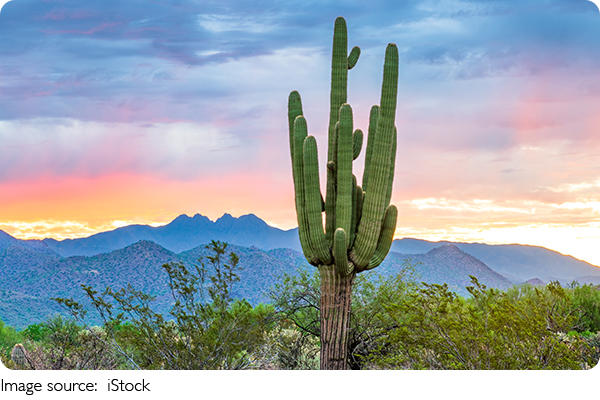
Photosynthesis happens in many forms across the plant world, from the leaves of towering trees to the green stems of desert cacti. Although their structures and adaptations differ, these plants all rely on light energy to produce the sugars that sustain them. Cacti are a particularly fascinating example, showing how plants can conserve precious water while still producing their food.