Cars in the Digital Age

Raghu Yadav
| 04-11-2026
 · Auto Team
The automotive industry is undergoing a significant technological transformation. Beyond traditional mechanical engineering, digital intelligence is becoming essential to how modern vehicles are developed, equipped, and operated.
Compact cars, family sedans, SUVs, sports cars, hybrids, and electric vehicles are all benefiting from advances in computing, connectivity, and intelligent systems.
These developments are creating new opportunities to improve vehicle functionality, enhance convenience, and refine the relationship between drivers and their cars. As technology becomes more deeply integrated into automotive engineering, innovation is extending across the entire vehicle market.
Artificial Intelligence in Vehicle Development
Japan challenges proposed EU incentives for electric vehicles, raising questions over competition, manufacturing and consumer choice.
Electric cars are gaining ground in Europe, but new figures show huge gaps between leading and lagging countries.
Why is full-service leasing growing in Europe? Businesses are embracing simpler fleet management!
Can this ruling make EV charging fairer? A German court challenges unequal prices for drivers!
Why are European truckmakers seeking more time? Charging gaps and high energy costs fuel the debate!
New road safety study reveals Europe’s highest traffic death rates and the countries improving most.
Artificial intelligence is playing an increasingly important role in automotive engineering. Manufacturers use AI-assisted tools to analyze complex data, evaluate design concepts, and support production planning.
During development, computer simulations can help engineers examine aerodynamics, structural performance, energy efficiency, and interior configurations. These digital processes allow different design solutions to be evaluated before physical prototypes are produced.
AI can also support manufacturing through quality inspection, production monitoring, and process optimization. Its applications extend across vehicle categories, contributing to the development of everyday passenger cars as well as specialized performance models.
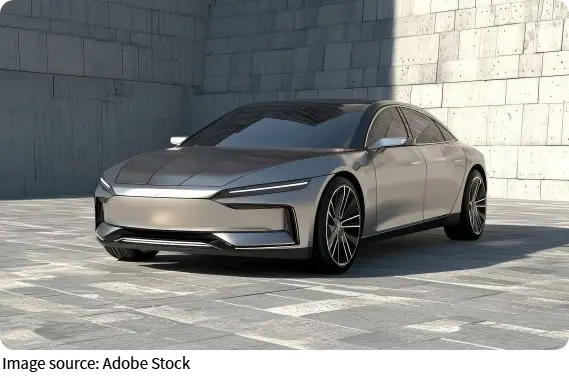
Connected Technology and Digital Integration
Connectivity has become a defining feature of modern automotive design. Digital dashboards, navigation platforms, communication functions, and vehicle monitoring systems increasingly operate through integrated electronic architectures.
Depending on the available equipment and services, connected vehicles can provide real-time traffic information, remote access to selected functions, personalized settings, and convenient access to entertainment features.
This integration also allows different vehicle systems to exchange information, helping drivers access important information through centralized displays and controls. Connectivity is becoming a valuable feature across conventional, hybrid, and electric vehicles.
Software in Modern Automotive Engineering
Vehicle software now plays a central role in managing numerous functions, including infotainment, navigation, energy management, and electronic controls.
Some modern vehicles support over-the-air software updates, which allow compatible systems to receive improvements through wireless connections. Depending on the vehicle, these updates can introduce new features, refine existing functions, or improve system performance without requiring a conventional workshop visit.
This development is changing how manufacturers approach vehicle technology throughout ownership. Compatible vehicles can receive selected digital improvements as their systems evolve.
Advanced Driver Assistance Technologies
Driver assistance technology is another important area of automotive innovation. Systems such as adaptive cruise control, lane-centering assistance, automatic emergency braking, parking assistance, and traffic sign recognition are designed to support drivers in different driving situations.
These functions rely on technologies such as cameras, radar sensors, and onboard computing systems to interpret information about the vehicle's surroundings.
Their availability and capabilities depend on individual vehicle specifications. Their integration into different segments of the automotive market demonstrates how intelligent electronics are becoming an important part of modern vehicle development.
The Next Stage of Automotive Innovation
The future of automotive technology will increasingly depend on the integration of mechanical engineering, electronics, artificial intelligence, and software development. Improvements in computing power and digital architecture will create further opportunities to refine vehicle performance, functionality, and user experiences.
This transformation extends beyond any single powertrain. Petrol-powered vehicles, hybrids, and fully electric models can all incorporate advanced connectivity, intelligent assistance, and sophisticated software.
As these technologies mature, automotive development will place greater emphasis on combining established engineering with adaptable digital systems, creating vehicles that respond more effectively to changing technological expectations.
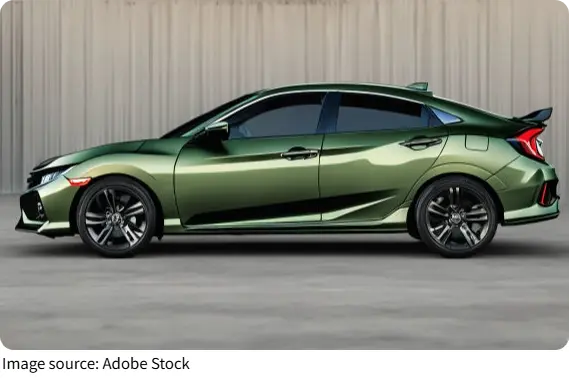
The evolution of modern vehicles is increasingly shaped by the relationship between engineering and digital intelligence. Artificial intelligence, connected platforms, advanced driver assistance, and software development are expanding cars' capabilities across the automotive market.
From compact passenger vehicles to premium performance models, technological innovation is influencing how vehicles are designed, manufactured, and experienced. The next era of automotive development will be defined by the integration of intelligent technology and established engineering principles, bringing a new dimension to mobility across every vehicle category.