Exploring Juyong Pass

Chandan Singh
| 03-11-2026
 · Travel Team
Around 60 kilometers northwest of central Beijing, Juyong Pass is one of the Great Wall's most fascinating historic gateways. Set in a narrow mountain valley, the fortress has walls that climb the surrounding ridges and enclose a fortified pass that once guarded an important route toward the Chinese capital.
Juyong Pass combines demanding stairway climbs with remarkable architecture and centuries of history. Visitors can admire Yuan dynasty carvings, explore Ming-style fortifications, and enjoy sweeping views from the mountain walls. These six highlights offer a rewarding introduction to the site, whether you prefer a challenging hike or a shorter cultural visit.
Cloud Platform
At the heart of Juyong Pass stands the Cloud Platform, or Yuntai, one of the site's most remarkable historical monuments. Built during the Yuan dynasty in the 14th century, this white marble structure originally supported three Buddhist pagodas that no longer survive.
From scenic train journeys to affordable sleeper buses and island ferries, discover the easiest ways to travel around Vietnam.
From lightning-fast Shinkansen to affordable overnight buses, discover how to explore Japan comfortably without overspending.
Dreaming of a Canadian road trip? Discover scenic routes, key driving rules and budget-friendly safety tips.
Planning a trip to Greenland? Discover glaciers, colourful coastal towns and Arctic adventures, with practical prices and advice.
Discover Sweden's hidden forest cabins, where travellers can sleep surrounded by nature for free and explore breathtaking wilderness.
Australia’s best national parks: spectacular waterfalls, turquoise beaches and ancient landscapes, plus tips and prices.
The surviving gateway is especially famous for its elaborate carvings. Visitors can admire Buddhist figures, decorative reliefs, and inscriptions in several scripts, including Chinese, Sanskrit, Tangut, Uyghur, and Phags-pa.
Unlike the mountain walls, the Cloud Platform is located on relatively level ground within the fortress. It is therefore an excellent first stop for visitors who want to appreciate the site's history before tackling the steep stairways.
Its carved surfaces reward close attention. The details reveal the cultural diversity of the Yuan period, when different languages and artistic traditions came together in monumental architecture.
The platform can be explored as part of a visit to the main Juyongguan scenic area, making it one of the easiest and most rewarding historical stops at the pass.
Great Wall Museum
The Juyongguan Great Wall Museum offers valuable historical context for visitors interested in understanding the development of the fortifications.
Opened in 2023 within historic buildings at the pass, the museum features six exhibition halls dedicated to the Great Wall's history, construction, and cultural significance.
Displays include photographs, models, historical materials, and multimedia presentations that explain how the wall was built and how its defensive structures functioned.
The museum is especially useful for visitors who want to understand the relationship between Juyong Pass and the wider Great Wall system before exploring the mountain routes.
Its indoor setting also provides a comfortable break from the exposed stairways during hot or windy weather.
For a complete visit, allow approximately three to four hours to combine the Cloud Platform, fortress buildings, museum, and a shorter wall hike. Travelers attempting the full mountain circuit may need four to five hours or longer.
The scenic area generally opens around 8:30 a.m., with closing times of approximately 5:30 p.m. in the main season and 4:30 p.m. during the quieter months.
Juyongguan Great Wall Museum
West Mountain Wall
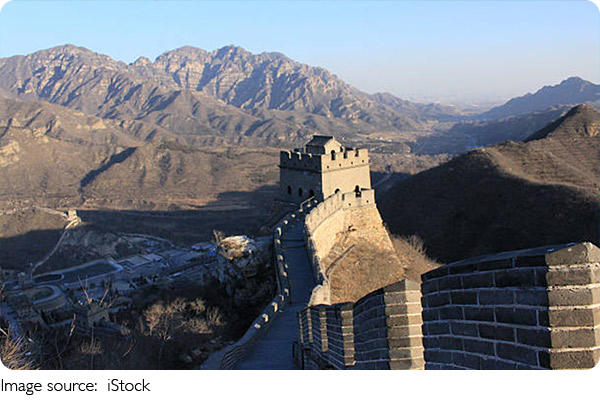
The western side of Juyong Pass offers the more demanding hiking experience. Its stone stairways rise sharply along the mountainside, connecting watchtowers and viewpoints above the valley.
The climb is strenuous in places, with uneven steps and sustained uphill sections. Good walking shoes are essential, particularly when the stone surfaces are damp.
For fit visitors, the effort brings exceptional rewards. From the higher sections, the wall stretches across the surrounding ridges, while the fortress buildings and valley roads appear far below.
Allow approximately two to three hours for a substantial western-side hike, depending on fitness, rest stops, and the route taken. Those attempting the wider circuit should reserve considerably more time.
There are no cable cars serving the Juyongguan wall, so visitors must complete the ascent and descent on foot.
Spring and autumn generally offer the most comfortable hiking conditions. Summer can be hot on exposed sections, while winter brings cold winds and occasional icy steps.
East Mountain Wall
For a shorter introduction to Juyong Pass, the eastern wall provides an attractive alternative to the steeper western climb.
This section follows the opposite side of the valley, with watchtowers and elevated paths offering views toward the Cloud Platform and the fortress buildings below.
Although generally less demanding than the western side, it still includes substantial stairways. Visitors should not expect a completely level walk.
A shorter eastern-side excursion can take approximately one to two hours, depending on the chosen turnaround point and the number of stops.
The route is particularly appealing to photographers, as the elevated viewpoints reveal how the fortifications follow the natural contours of the mountains.
Visitors who prefer a moderate outing can explore part of the eastern wall before returning to the valley floor, rather than attempting the entire circuit.
Temples of Juyong Pass
Beyond its defensive architecture, Juyong Pass preserves buildings connected with the ceremonial traditions of earlier periods.
Among the historic structures are temples associated with local beliefs and figures such as Guandi, as well as the Horse Temple, which reflects the importance of horses in the pass's history.
These buildings add a different perspective to the visit. Rather than focusing only on watchtowers and mountain views, travelers can discover how traditions formed part of life within a fortified settlement.
The temple areas are generally easier to explore than the steep wall routes, making them suitable stops during a relaxed walk through the lower fortress.
Architectural details, courtyard layouts, and traditional decorative elements provide opportunities for photography and a closer look at Chinese heritage.
A visit to the temples can be combined naturally with the Cloud Platform and fortress gateways, creating a rewarding cultural itinerary without requiring a lengthy mountain climb.
Juyong Pass
Fortress Gates
Juyong Pass was designed to control movement through one of the important mountain approaches to Beijing. Its fortified gateways, enclosed courtyards, and connecting walls reflect that strategic role.
The pass has a history dating back more than two millennia, although much of the architecture visible today reflects Ming-dynasty construction and later restoration.
Walking through the gate areas reveals how the defensive system worked. The narrow valley was enclosed by substantial walls, with watchtowers positioned along the surrounding slopes.
The lower fortress is also one of the most accessible parts of the site, making it a practical choice for visitors who prefer architecture and history to steep mountain hiking.
Juyongguan's standard admission is CNY 40 during the main tourist season and CNY 35 during the quieter season. Reduced or complimentary admission is available to eligible visitors.
From central Beijing, the journey is approximately 60 kilometers and usually takes around 1–1.5 hours by car, although traffic can extend the trip. Private transport is particularly convenient for travelers planning an early start.
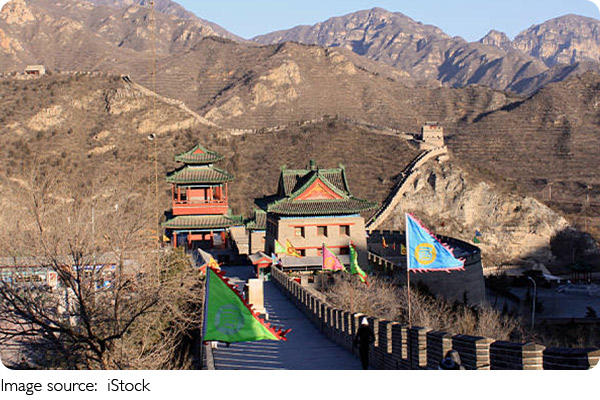
Juyong Pass rewards readers who want more than a photo stop. The Cloud Platform gives you Yuan dynasty art. The West Mountain gives you a real climb. The East Mountain gives you the view without the punishment. The fortress and temples give you the story. Give yourself three to four hours, start with the platform, and choose your route based on how your legs feel. It is not the most famous section of the Wall, but it might be the one you remember most clearly.