Rajgad Fort Walls

Liam Reilly
| 04-11-2026
 · Travel Team
For travelers seeking a break from Pune’s busy streets, Rajgad Fort offers a memorable outing surrounded by hills, open skies, and beautiful natural scenery.
Located in Maharashtra’s Sahyadri mountain range, this destination attracts hikers, photographers, and outdoor enthusiasts. The journey combines an uphill trek with opportunities to admire the landscape and explore distinctive stone structures.
Discover Rajgad Fort
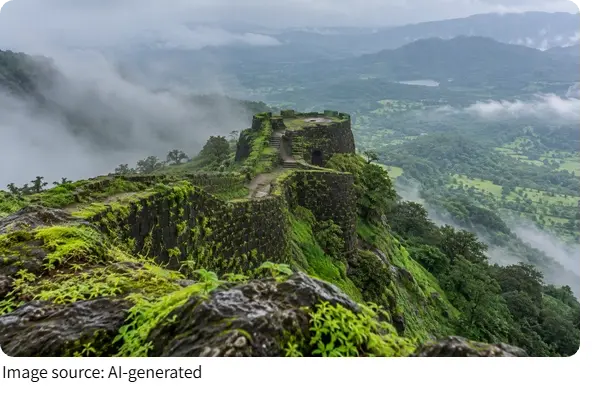
Rajgad Fort is located in Pune district, southwest of Pune city. Its elevated position provides broad views of the surrounding valleys, ridges, and green slopes. Unlike attractions that can be explored entirely on level paths, Rajgad requires a trek, making the journey an important part of the experience.
A peaceful journey through Kerala, southern India's waterways
Everyone Skips This Frozen Lake in Winter — The Food Scene Is the Real Secret!
Nobody Tells You the E10 Hides a Viewpoint This Good — Here It Is!
Add Jaswant Thada to your itinerary for elegant marble work, tranquil surroundings, and scenic views!
Explore Lakes, Royal Palaces, Colorful Markets, and Scenic Views in India's City of Lakes
Time the seasonal road, valley shuttle, entry fee, and overnight base for a clear Yosemite overlook visit.
The extensive hilltop contains stone walls, gateways, open spaces, and remnants of older structures. Its combination of mountain scenery and architecture makes it an appealing destination for visitors who enjoy outdoor exploration.
Rajgad Fort
Understand the Fort’s History
Rajgad Fort holds an important place in the history of the Maratha Empire. Its name means “King of Forts,” reflecting its strategic importance during the reign of Chhatrapati Shivaji Maharaj. The fort served as his capital for more than 25 years and was a center for administration and the development of the Maratha kingdom.
The hilltop complex was designed to take advantage of its elevated position and natural defenses. Its fortified sections, gateways, watchpoints, and water reservoirs supported life within the fort. In 1674, after Shivaji Maharaj was crowned, the capital was moved from Rajgad to Raigad Fort.
Today, the remaining structures offer visitors a glimpse into the architectural heritage. Exploring the different sections is not only an opportunity to enjoy the mountain scenery but also a way to appreciate the historical role Rajgad played in shaping the Maratha Empire.
Choose a Suitable Trekking Route
The route depends on the starting village and the trail selected. Gunjavane is a commonly used starting point, although other approaches may be available depending on local conditions. Trek duration varies with the route, walking speed, weather, and time spent exploring the fort.
Some sections are steep or rocky, so the climb can be challenging for people who are not accustomed to walking uphill. Maintain a steady pace, take breaks when needed, and consider joining an experienced local guide or group if you are new to trekking. Starting early provides more daylight for the climb, exploration, and return journey. Check trail conditions before departure and allow enough time to descend safely.
Explore the Fort’s Main Areas
Rajgad has several distinct sections, including Padmavati Machi, Sanjeevani Machi, and Suvela Machi. In this setting, machi refers to a fortified spur or projecting section of a hill. Each area offers a different combination of stone remains, walking paths, and views across the surrounding landscape. Take time to notice how the paths connect rather than rushing between locations.
The terrain can be uneven, and exposed edges require caution, particularly after rain. Since the complex covers a large area, plan your route according to your fitness, available daylight, and weather conditions.
Enjoy the Scenery and Photography
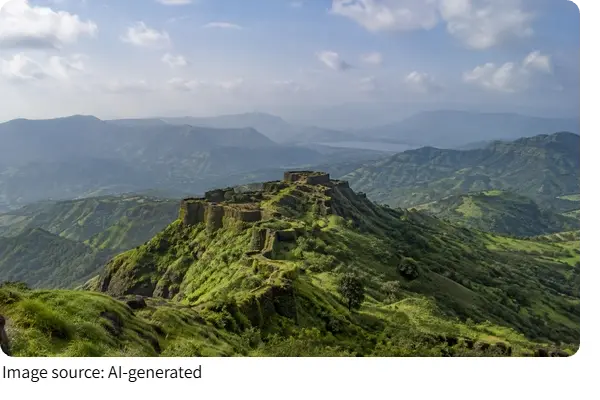
Rajgad is appealing to visitors who enjoy mountain views. From suitable viewpoints, layers of hills stretch toward the horizon, while valleys and greenery add variety to the landscape. During and after the monsoon, the surroundings can look especially lush, although wet conditions may make the trails slippery.
Morning light can be suitable for photography, depending on visibility and weather. Capture wide landscape views alongside details such as stone gateways and old walls. Always stop in a safe location before taking photographs, and stay away from unstable edges. Weather can change quickly in the hills, so keep your plans flexible and avoid attempting difficult sections during heavy rain.
When to Visit and What to Bring
The cooler months are generally comfortable for trekking. The monsoon season brings greenery and dramatic cloud-covered views, but heavy rainfall can make the route more difficult. Check the forecast before leaving and avoid continuing when conditions become unsafe.
Wear sturdy shoes with good grip, carry enough drinking water, and pack simple snacks. Sun protection and a lightweight rain jacket may also be useful. Take your rubbish with you to help keep the surroundings clean.
Transportation and Budget Tips
Travelers from Pune should arrange transportation to their chosen starting village in advance. A private vehicle or pre-arranged local transport offers flexibility, while public transportation may require additional planning for the final stretch. As a rough guide, budget around US$10–30 per person for basic local transportation and incidental expenses. This estimate excludes travel to Pune, meals beyond simple snacks, and guide fees.
Taste Local Maharashtrian Food
After a day of trekking, visitors can enjoy traditional Maharashtrian dishes at local eateries around the Pune region. Popular choices include misal pav, a spicy sprout curry served with bread; pithla bhakri, a savory gram-flour dish paired with traditional flatbread; and poha, a light breakfast made with flattened rice. These simple local favorites offer a taste of regional food culture and make a pleasant addition to a day exploring the Sahyadri hills.
Rajgad Fort offers a rewarding combination of outdoor activity, mountain scenery, and distinctive stone structures. Although the uphill trek requires preparation, the panoramic views and different hilltop sections make the effort worthwhile for many visitors. Choose a route suited to your fitness, begin early, and leave enough time for the return journey. With sensible planning and respect for the natural surroundings, Rajgad can provide a refreshing escape from city life.