Where Field Meets Forest

Chandan Singh
| 13-11-2026
 · Plant Team
The last few rows of a field often behave differently from the rest. Crops may grow unevenly, soil may stay damp longer, and unfamiliar plants can appear beside the trees. These changes are easy to notice but much harder to explain without looking at the wider landscape.
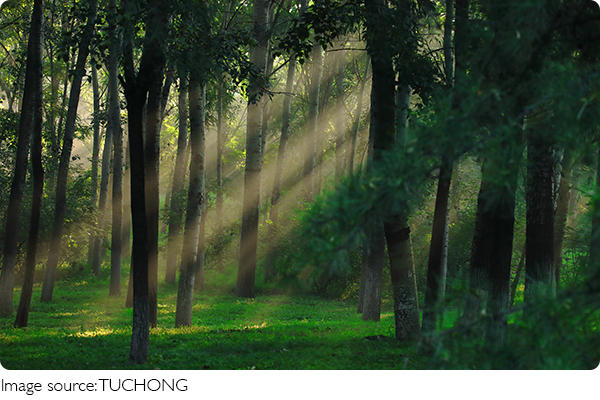
Where farmland meets established woodland, sunlight, roots, water, machinery, and agricultural inputs interact. The most useful approach is to treat this boundary as a separate management zone. A few consistent observations can reveal which conditions deserve attention and which are simply natural features of the woodland edge.
Read the Field Edge First
Before removing vegetation or changing field operations, establish what is actually happening.
Want a garden full of color? Hydrangeas bring beautiful blooms, soft textures, and charm outdoors
Want fuller blooms? Get simple pruning tips for baby's breath to keep plants neat and flowering
Can forests naturally resist invasive trees? New research reveals how native growth helps restore biodiversity!
Scientists have developed a remarkable fabric that can more than triple strawberry harvests while protecting plants from insects.
Want a garden full of striped blooms? Learn how to grow zebra mallow and enjoy its charm
How Africa's Amazing Baobab Trees Store Water, Feed Wildlife, and Help People Survive Long Dry Seasons Each Year
Choose at least three monitoring locations along the woodland boundary. At each location, mark a short line extending from the trees into the cultivated field.
Compare crop height, density, leaf condition, and visible ground cover at fixed distances.
Take photographs from the same positions and repeat your observations during important growth stages.
A single weak patch does not establish that nearby trees are responsible.
Patterns that appear repeatedly along the boundary are more useful, especially when compared with conditions farther into the field.
Keep a dated record of rainfall, cultivation, fertilizer applications, and other recent activities. These details can help explain changes that might otherwise be blamed on the woodland.
Follow the Sun and Soil Moisture
Shade is one of the most obvious differences between a field's interior and its wooded edge, but its effects vary.
Observe the boundary in the morning, around midday, and during the afternoon. Note which crop rows receive direct sunlight and which remain shaded for longer periods.
Tree height, woodland orientation, season, and canopy density all influence the pattern.
Next, compare soil moisture at consistent depths along your marked monitoring lines.
Check after rainfall and again during a relatively dry period, using the same measurement method each time.
Tree roots may compete with crops for water, but shaded soil can also lose moisture more slowly through evaporation.
A wetter or drier edge therefore needs investigation rather than an automatic explanation.
If crop performance remains poor, soil testing can help identify nutrient limitations, pH differences, or other conditions that visual inspection cannot reliably diagnose.
Inspect Runoff and Machinery Traffic
After substantial rainfall, the boundary may reveal problems that are almost invisible during dry weather.
Look for shallow channels, deposited sediment, exposed roots, standing water, and areas where vegetation has been flattened by flowing water.
Photograph recurring trouble spots once the ground is safe to access.
The direction of runoff matters. Water may enter the field from higher woodland ground, collect along a compacted track, or move from cultivated soil toward the trees.
Each situation may require a different response.
Machinery can complicate the picture.
Repeated turning or driving over wet soil can create compaction, reducing infiltration and restricting root growth.
Identify where wheel traffic concentrates and consider whether access routes can be adjusted.
Avoid unnecessary excavation or heavy equipment movement close to mature trees, whose roots may extend well beyond the visible canopy.
Choose Buffers for the Conditions
A vegetated line between farmland and woodland can serve several purposes.
Suitable ground cover may reduce exposed soil, slow some surface runoff, and help capture sediment before it reaches neighboring habitats.
However, a buffer is not automatically effective simply because vegetation is present.
Its performance depends on slope, soil conditions, water flow, vegetation density, and maintenance. Concentrated runoff may require additional measures.
There is no single buffer width suitable for every farm.
Local regulations, crop type, nearby watercourses, machinery access, and conservation objectives should guide the design.
Where appropriate, retain existing beneficial vegetation rather than repeatedly clearing the entire boundary to bare soil.
Select plants suited to the local environment and avoid introducing invasive species.
Mark the managed boundary clearly so cultivation and vehicle traffic do not gradually encroach on it.
Manage Chemicals and Vegetation Carefully
Agricultural operations near woodland require particular attention to unintended effects beyond the crop area.
Before applying herbicides, pesticides, or other crop-protection products, read the current product label and follow all legally required conditions.
Check application rates, buffer distances, equipment settings, weather restrictions, and environmental precautions.
Spray drift can affect non-target vegetation, while runoff may transport certain substances beyond the treated area.
Avoid assuming that a generic setback or wind-speed limit is appropriate for every product.
Vegetation management also benefits from careful identification.
Photograph unfamiliar plants, including leaves, stems, flowers, or seeds when available. Confirm the species before deciding whether control is necessary.
Not every plant growing at the boundary are plants that needs removal.
Some provide ground cover or wildlife habitat, while others may spread aggressively into cultivated land.
The appropriate response depends on the species, its location, and the risk it presents.
Know When Intervention Is Necessary
A woodland edge does not need to look perfectly tidy to function well.
Instead of treating every change as a problem, look for evidence of persistent crop losses, expanding invasive vegetation, repeated erosion, or safety hazards.
Divide longer boundaries into sections and inspect them in a consistent order throughout the growing season.
Compare current photographs with earlier records to distinguish seasonal changes from developing problems.
Before major pruning or clearing, consider wildlife habitat and applicable protections, including restrictions affecting nesting birds or other protected species.
Trees that appear structurally unstable near machinery routes or work areas should be assessed by a qualified tree professional.
When the cause of a crop problem remains unclear, an agricultural adviser or soil specialist may help identify whether shade, moisture, nutrients, compaction, or another factor is responsible.
Good management begins with a diagnosis, not an assumption.
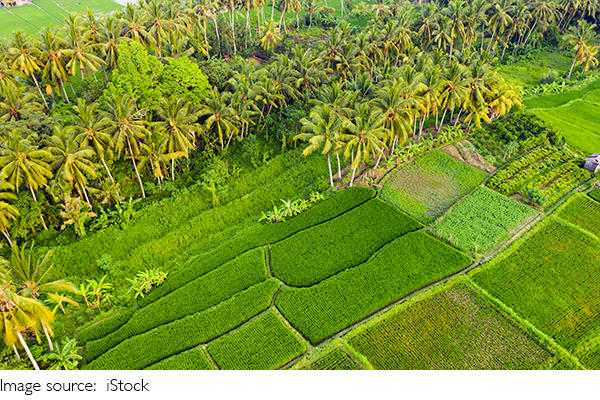
The boundary between farmland and forest is not simply an obstacle to productive farming. It is a changing environment where agricultural operations and woodland processes influence one another.
Rather than clearing vegetation or modifying drainage at the first sign of trouble, begin with repeatable observations. Compare crops, measure soil conditions, document runoff, and identify plants before choosing a response.