Patagonia's Blue Lakes

Pardeep Singh
| 04-11-2026
 · Travel Team
Greetings, trail seekers. Perito Moreno National Park in Santa Cruz, Argentina, combines blue lakes, rugged mountain scenery, and vast stretches of Patagonian steppe.
This remote reserve rewards a thoughtful itinerary more than a quick stop. Plan the long drive, choose walks that fit your experience, and secure an overnight place before heading beyond the last service town.
Reach the Park Carefully
The park sits northwest of Gobernador Gregores, about 220 kilometers away by road; the town of Perito Moreno is roughly 320 kilometers from the entrance. The final approach includes around 90 kilometers of gravel, so road conditions and travel times can shift with weather and maintenance. Check official route updates shortly before departure, and avoid building a same-day connection around an optimistic drive estimate.
Discover Indore’s architectural gem, admire its iconic clock tower, and explore the cultural charm of this historic landmark
The mountain everyone photographs, the waterfall beside it, and how to plan the Snaefellsnes stop so you actually enjoy it.
A highland guide to Iceland's colorful rhyolite mountains, hot springs, and the rough F208 road.
Norway's quiet glacier: hike to the ice edge, time your visit, budget your day.
Need costume inspiration? Find creative costume ideas for a memorable spooky season!
How did pumpkins become a Halloween symbol? Explore the history behind this familiar tradition!
There is no regular bus service directly into the park. Long-distance buses reach Gobernador Gregores, where visitors can continue in a suitable private vehicle or arrange an authorized local transfer in advance. Fuel, groceries, and lodging are available in the towns, not along the remote approach, so arrive with a full tank, provisions, an offline map, and a clear return plan. Register your visit at the park’s operating center and aim to reach your reserved campsite or refuge in daylight.
Choose a Lake Circuit
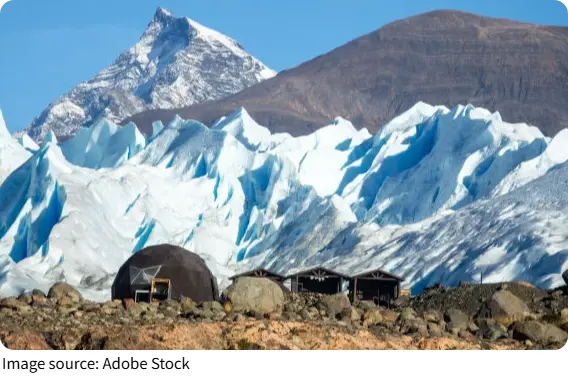
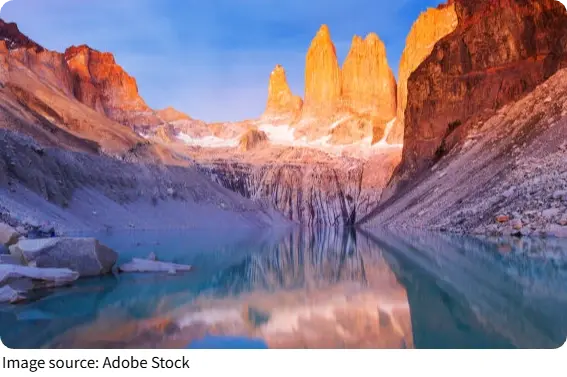
Several connected lakes give the park its changing palette: clear turquoise, deep blue, muted green, and silvery tones appear as clouds and wind move across the water. The scenery shifts between steppe, lenga forest, volcanic-looking rock, and mountain slopes. For a short introduction, the Lago Burmeister circuit is listed at about 750 meters and low difficulty, making it a useful leg-stretch after the drive.
Lago Burmeister
Longer routes call for more time and preparation. The official reservation map lists the Valle del Río Lácteo circuit at about 16.7 kilometers total and high difficulty, while the Península Belgrano circuit covers about 26.4 kilometers at medium difficulty across its trails. Ask park staff which paths are open, check the elevation and estimated walking time, and register your route before setting out. Strong wind, cold rain, and sudden changes in visibility can make a familiar distance feel much harder.
Compare Overnight Costs
Park entry is free, but overnight facilities have 2026–27 fees. The Shared park refuge bed costs US$45 per person per night (ARS 70,000), while a Shared park dome place costs US$26 per person per night (ARS 40,000); each also has a service fee of ARS 5,000 per person per night, about US$3. A Park campsite costs US$16 per site per night (ARS 25,000) for up to four people, plus the same per-person service fee. These dollar estimates use the latest BCRA retail reference rate available on October 22, 2026, and are only a planning guide.
Each option suits a different style of trip. Refuges and domes are shared, limited-capacity spaces with basic sleeping equipment, not private hotel rooms; the official terms note there is no running water and outdoor toilets are used. Campers need suitable tents and sleeping gear, and every visitor should bring food, a portable stove, and the layers needed for cold, windy nights. Reserve online as early as possible, confirm the total with service fees, and check the latest rules before paying.
Build in a Practical Buffer
If you prefer a private room, stay in Gobernador Gregores or Perito Moreno town before or after the park rather than trying to commute in each day. Choose a lodging with secure parking and a flexible arrival window, then confirm whether it can store bags or help arrange a licensed transfer. A night on either side of the park visit also gives you a better chance of reaching the entrance rested and returning before dark.
The public season generally runs from October through April, but opening dates and internal roads can change with conditions. There are no shops or fuel stations inside the park, and mobile coverage may be unreliable, so carry enough meals, drinking water, medication, and backup power for the whole stay. Keep a printed reservation, tell someone your route, and follow current trail closures rather than trying to improvise around them.
Allow at least two or three days if you want to combine a lake circuit with a longer walk, and leave room for weather delays. With transport, lodging, and supplies arranged ahead, the park’s shifting blues and rugged high-country views can be enjoyed at an unhurried pace.