Lofoten Shorelines

Santosh Jha
| 03-11-2026
 · Travel Team
Welcome to Lofoten, fellow explorers. The islands combine mountain-backed beaches with narrow roads and ferry links that make a flexible plan especially useful.
At Haukland Beach on Vestvågøy, a marked path follows the shore toward Uttakleiv, while nearby peaks hold snow into colder months. Tidal conditions, wind, and daylight influence how long a coastal stop feels comfortable, so keep the day’s route modest and check local conditions before leaving your base.
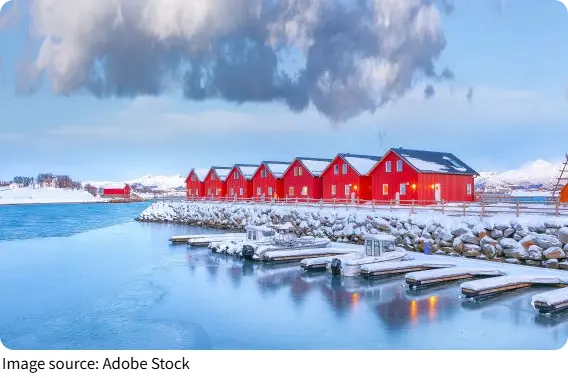
Explore the Coast
Haukland is a sheltered sandy beach about a ten-minute drive from Leknes, with a visitor building, toilets, parking, and a café whose hours change by season. The coastal path between Haukland and Uttakleiv is about 4.5 kilometers one way. A low-tide visit can reveal more open sand and shore, while the surrounding mountain slopes give the walk a highland backdrop. Stay on established paths and use a local tide forecast before walking across any low shoreline.
Find a calm sunset route through Donau City, the river island, and a public viewpoint above Vienna.
Compare Camps Bay stays, local transport, and a weather-dependent cableway outing beside the Atlantic coast.
Time the seasonal road, valley shuttle, entry fee, and overnight base for a clear Yosemite overlook visit.
5 Camps Bay Restaurants That Prove the Beach Town Eats Better Than Cape Town!
Nobody Tells You the E10 Hides a Viewpoint This Good — Here It Is!
High-altitude lagoon in Catamarca, Argentina, with red water, flamingos and a rough gravel road in.
Hauklandstranda
Parking at Haukland is about US$2.15 per hour, with the first 20 minutes free and a 16-hour maximum. Pay or register as soon as you park, since the site has limited capacity and the fee supports upkeep. The beach is a good short stop between Leknes and other western-island viewpoints; avoid blocking access lanes or stopping on the E10 for photographs. Use signed lay-bys and allow room for other visitors.
Plan Island Travel
The E10 connects the main island communities, but winter conditions can change quickly along exposed stretches. Official visitor guidance recommends checking road and weather updates, allowing extra time for delays, and avoiding roadside stops outside marked pullouts. Snow is more likely during the winter months, but conditions vary across the islands and from year to year. Storms, rain, and icy roads can occur throughout the winter season. For a winter drive, choose a vehicle equipped for local conditions and be prepared to shorten the day.
Travelers arriving by sea from Bodo can take the Moskenes ferry. A conventional car up to six meters currently costs about US$65 each way; reserving a guaranteed place adds around US$14 for the vehicle, and passenger-only travel on this route is free. Ferry capacity and departures can change, so check the operator’s current timetable and reservation terms before planning onward accommodation. Local buses serve many settlements but run less often away from the main corridor; check seasonal schedules before relying on a same-day connection.
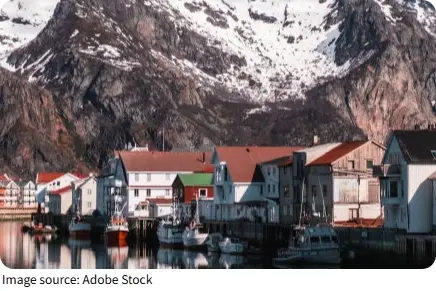
Pick a Practical Base
Svinøya Rorbuer in Svolvær offers cabin-style stays near the harbor and town services; recent sample listings for two guests start around US$145 per night. Its location suits visitors who want a northern base with restaurants, shops, and boat excursions close by, although it leaves a longer drive to beaches in the far west. Thon Hotel Svolvær is a full-service harbor hotel with sample rates around US$275 per night for two. It costs more, but the central setting may suit travelers who prefer hotel facilities and a simple arrival without a long drive.
For a road trip, compare those Svolvær options with a stay nearer Leknes or Reine before booking; moving bases can reduce backtracking across the islands. The quoted samples vary by date, room type, breakfast, and cancellation conditions, so check the final total and parking terms. In winter, avoid booking every night around a single ferry departure: a weather delay can make a flexible night more useful than a rigid itinerary.
Use the Light Well
Daylight is short around the winter solstice, while March brings much longer outdoor hours. Aim for coastal walks near the middle of the day, then leave a margin for driving back before visibility drops. Warm waterproof layers, insulated footwear, gloves, and a headlamp make short stops more comfortable when wind or wet snow moves across the shore. The sea can stay cold throughout the year, so treat the beach as a walk and viewpoint unless you are prepared for local swimming conditions.
For each day, choose one or two coastal areas rather than trying to cover every island at once. Check tide, road, and ferry information again that morning, and keep a backup route near your lodging. If a storm moves in, swap a long drive for a shorter village walk or a warm indoor stop; the landscape remains rewarding even when the forecast changes the plan.

Leave generous time for the road and let daylight, weather, and ferry updates set the pace. That flexibility makes it easier to enjoy Lofoten’s snow-lined ridges and changing shoreline without turning the drive into the day’s main risk.