Homemade Cabbage Kimchi

Mason O'Donnell
| 28-10-2026
 · Food Team
Homemade cabbage kimchi brings a lively combination of crunch, tanginess, and savory spice to the table. Made with napa cabbage, salt, garlic, ginger, and a seasoned paste, this Korean-style fermented vegetable dish develops its distinctive flavor as it rests.
Although it takes time to ferment, the preparation itself is manageable with a few basic kitchen tools and fresh ingredients.

Ingredients
Napa cabbage is commonly used because its tender leaves absorb seasoning while retaining some crunch. Salt helps draw moisture from the cabbage, allowing it to soften before the other ingredients are added. Garlic, ginger, and spring onions provide a savory base, while Korean chili flakes contribute color and heat.
Simple steps for choosing, peeling, and simmering the roots, plus serving and storage tips.
Sweet roasted pumpkin, fragrant Thai spices and silky coconut sauce come together in a comforting noodle dish ready in 40 minutes.
Turn everyday bread, beans and a few simple ingredients into delicious family dinners that require minimal effort and preparation.
Discover how to bake beautifully risen, golden scones with a soft, tender centre using just a handful of everyday ingredients.
Fresh asparagus can turn everyday ingredients into pasta, golden pastry, crunchy salads and comforting family meals.
Want something different to sip? Try pumpkin horchata for a creamy twist on a classic drink!
Preparation takes about 40–60 minutes, and fermentation usually needs 1–3 days at room temperature, followed by refrigeration. You will need:
- 1 medium napa cabbage, about 1–1.2 kg
- ¼ cup coarse non-iodized salt, adjusted for the amount and type used
- Water, as needed
- 4 spring onions, cut into short lengths
- 4 garlic cloves, finely chopped
- 1 tbsp freshly grated ginger
- 2–3 tbsp Korean chili flakes, adjusted to taste
- 1 tbsp fish-free soy sauce or a vegetarian seasoning
- 1 tsp sugar, optional
- 1 small carrot, cut into thin strips, optional
This makes about 1 large jar.
Steps
1. Remove any damaged outer leaves from the cabbage. Rinse it thoroughly and cut it lengthwise into quarters. Remove the tough core, then cut the leaves into bite-sized pieces.
2. Place the cabbage in a large bowl and sprinkle the salt over the leaves. Toss thoroughly, making sure the salt reaches the thicker white sections as well as the leafy parts. Let it rest for about 30–60 minutes, turning it occasionally, until the leaves become more flexible and release some liquid.
3. Rinse the cabbage thoroughly to remove excess salt, then drain it well. Taste a small piece; it should be seasoned but not unpleasantly salty.
4. Combine the chopped garlic, grated ginger, Korean chili flakes, soy sauce, and optional sugar in a clean bowl. Stir until they form a thick, spreadable paste, adding a small splash of water only if needed. This paste gives kimchi its recognizable aroma, and the chili heat can be adjusted to taste.
5. Add the spring onions and optional carrot strips and mix them evenly into the paste. Add the drained cabbage and use clean utensils or food-safe gloves to coat every piece, paying particular attention to the thicker parts of the leaves, where seasoning is harder to distribute.
6. Transfer the seasoned cabbage into a clean fermentation jar or food-safe container. Press it down gently to reduce large air pockets, leaving space at the top for expansion. The vegetables should stay submerged in their own liquid; use a fermentation weight if needed.
7. Close the container according to its design so gas can escape. Fermentation builds pressure, so avoid a tightly sealed container that is not designed for this purpose.
8. Leave the kimchi at a moderate room temperature and check it regularly. Fermentation speed depends on temperature, salt concentration, and the vegetables themselves, so follow a tested method and a food-safety guide rather than a fixed number of hours. Once the desired tanginess develops, refrigerate the kimchi to slow fermentation.
Discard the batch if it shows signs of spoilage, such as fuzzy mold, unusual discoloration, or a rotten smell. Do not taste questionable food to check whether it is safe.
Serving and Storage Tips
Kimchi goes well with steamed rice, vegetable bowls, noodles, or simple savory pancakes. A small serving adds a bright, spicy contrast to milder dishes. Its flavor grows stronger as fermentation continues, so the ideal stage depends on whether you prefer a fresher or tangier taste.
Keep finished kimchi refrigerated in a clean, covered container and use clean utensils whenever serving it. Avoid repeatedly leaving the jar at room temperature, since warmth speeds fermentation and can affect quality.
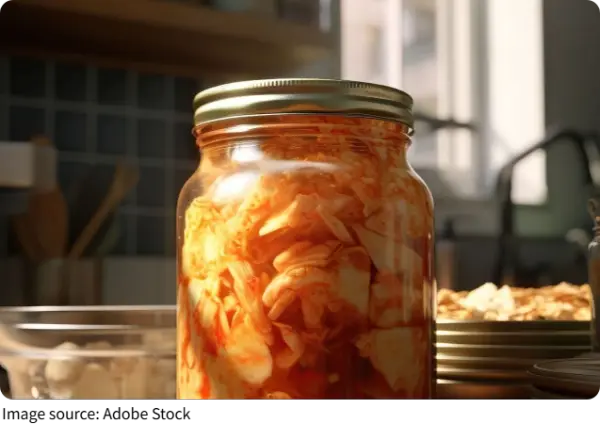
For a first batch, start with 2 tablespoons of chili flakes and taste the kimchi every day or two, noting when it reaches the flavor you like. That timing and heat level make an easy guide for the next jar.