Peru's Islands of Tradition

Finnegan Flynn
| 26-10-2026
 · Travel Team
High in the Peruvian Andes, Lake Titicaca offers one of South America's most fascinating cultural experiences. Its peaceful islands are home to communities that continue practising centuries-old weaving techniques, farming traditions and customs passed down through generations.
Situated approximately 3,812 metres above sea level, the lake stretches across the border between Peru and Bolivia. Two particularly remarkable destinations, Amantaní and Taquile, offer visitors opportunities to discover traditional island life while enjoying spectacular mountain scenery.
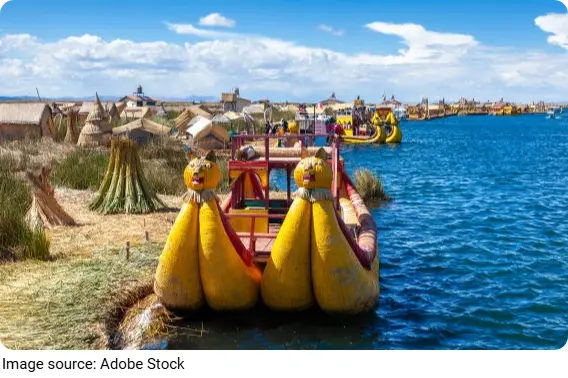
Amantaní: An Island Of Weavers
Home to approximately 4,000 residents across 10 communities, Amantaní is known for its colourful textiles and traditional agricultural practices.
Just outside Paris, a former industrial island is becoming a cultural destination with galleries, architecture and riverside views.
Beyond the famous cities: six extraordinary Brazilian escapes with tropical beaches, wildlife and unforgettable scenery.
A Mediterranean island is now a top digital nomad destination, with beautiful beaches, easy travel and attractive living.
Explore Indonesia’s Turquoise Lagoons, Spectacular Coral Reefs, Panoramic Island Views, and Traditional Coastal Life
Explore colorful historic streets, charming squares, and breathtaking Carpathian views in Brașov, Romania
6 Budapest Spots That'll Make You Question Every Other City You've Visited!
The island's terraced hillsides are dotted with small farms, stone houses and flowering plants, including the red cantuta, Peru's national flower.
Local artisans continue producing intricate woven fabrics using techniques inherited from earlier generations.
One resident, Pilar Rosmery Yucra Quispe, creates traditional textiles while welcoming visitors into her family homestay.
Staying overnight offers travellers an opportunity to experience local hospitality and learn how daily life revolves around farming, craftsmanship and community.
Amantaní
Taquile: Where Textiles Tell Stories
Neighbouring Taquile is internationally recognised for its exceptional textile heritage.
Its traditional weaving practices received UNESCO recognition in 2005 and were subsequently included on the Representative List of the Intangible Cultural Heritage of Humanity.
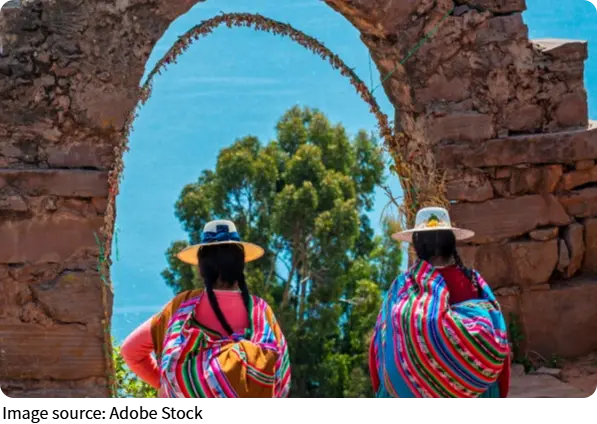
Men traditionally knit distinctive hats with earflaps, while women create elaborate woven fabrics.
Some patterns and colours communicate information about the wearer's identity and social status.
One unusual tradition involves testing the quality of a man's handmade hat by filling it with water. The longer it holds the liquid, the more impressive his knitting skills are considered.
Visitors can purchase locally made textiles through the community cooperative in the island's central square.
Explore The Islands' Natural Beauty
Beyond their cultural attractions, both islands offer impressive walking routes.
Amantaní's Ruta de Circunvalación passes through traditional villages and agricultural terraces, with stone arches marking community entrances.
On Taquile, winding paths lead towards quiet beaches, historic ruins and viewpoints overlooking the distant Bolivian Andes.
Visitors can also sample traditional meals prepared with locally grown potatoes, maize and grains.
Fresh lake fish and regional cheeses feature in many island dishes.
How Much Does A Visit Cost?
Most visitors begin their journey in Puno, the main tourist centre on the Peruvian shore of Lake Titicaca.
Organised two-day excursions visiting the Uros floating islands, Amantaní and Taquile typically cost approximately €50–€80 per person.
Many packages include boat transport, a local guide, entrance fees, meals and one night in a family homestay.
Accommodation is generally simple, with basic facilities rather than hotel-style amenities.
Additional expenses may include optional boat rides, souvenirs and meals excluded from the tour.
When Is The Best Time To Visit?
The dry season, generally from May to September, offers favourable conditions for island excursions and photography.
Days can be sunny, but temperatures fall sharply after sunset, making warm clothing essential.
Because of the high altitude, visitors should allow time to acclimatise before undertaking demanding walks.
Comfortable footwear, sunscreen and drinking water are also important.
For travellers seeking authentic cultural encounters alongside extraordinary scenery, Lake Titicaca's islands provide a memorable opportunity to discover a living Andean heritage that continues to thrive.