Think Before You Rescue!

Ethan Sullivan
| 19-10-2026
 · Animal Team
A wild animal sitting alone beside a path or appearing near a garden can quickly inspire concern. The natural reaction may be to pick it up, carry it somewhere safe, or bring it home for care.
However, what looks like an emergency to a person may be a normal part of an animal’s life. Before stepping in, take a moment to observe the situation. Well-intentioned rescue attempts can sometimes separate young animals from their parents, cause unnecessary stress, or prevent them from receiving appropriate care.
When an Animal Appears to Be Alone
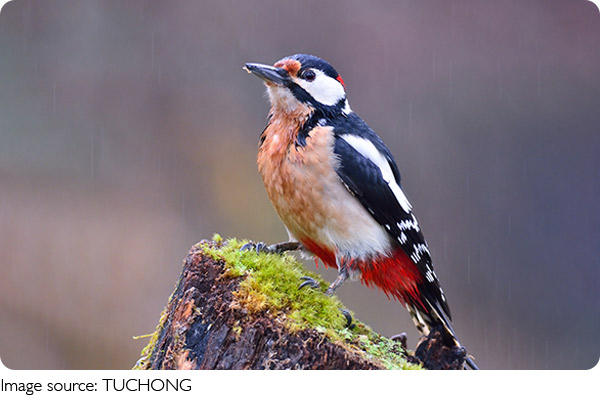
Young wildlife often spends time away from its parents while learning to navigate its surroundings. Some young birds leave their nests before they can fly confidently, while their parents continue providing food and protection nearby. Someone who sees a young animal sitting quietly may assume it has been abandoned, even when its family remains close.
Scientists have discovered a remarkable golden coral that belongs to an entirely new family of marine life.
Could painting wind turbines help protect birds? A new study reveals a promising way to reduce deaths!
Artificial nests are offering Hong Kong's endangered cockatoos safer homes while revealing fascinating details about their behaviour.
A rare wildlife milestone! Two Przewalski's horse foals arrive in Kazakhstan after two centuries!
What fills a parus major's diet? From caterpillars to seeds, uncover its favorite foods through the seasons!
A new study reveals how changing feeding routines can encourage zoo lions to behave more like their wild relatives.
Removing the animal too quickly can interrupt this natural process. It may also expose the animal to unfamiliar surroundings, unsuitable food, and stressful handling. Sometimes, the best response is to observe from a distance and allow the family to reunite naturally.
However, observation should not mean ignoring genuine distress. Visible injuries, difficulty moving, or clear signs of serious weakness may indicate that professional assistance is needed. The key is distinguishing between an animal that appears vulnerable and one that genuinely requires intervention.
The Challenges of Caring for Wildlife
Caring for a wild animal involves much more than providing food, shelter, and attention. Different species have specific dietary needs, environmental requirements, and behavioral patterns. Care that benefits one species may be unsuitable for another.
Young animals raised by people may also develop strong associations with humans. In certain circumstances, a process called imprinting can influence how an animal responds to its own species later in life. Animals that become accustomed to people may struggle to develop the behaviors needed for independent living.
Keeping wildlife at home rarely provides everything a wild species needs. Even when someone has good intentions, an ordinary domestic environment may not offer appropriate conditions. Qualified wildlife professionals can assess the situation and determine the most suitable care.
Why Professional Guidance Matters
Wildlife rescue also requires consideration of the wider environment. Helping one animal may create additional challenges when resources, specialized facilities, or trained caregivers are limited.
Rehabilitation specialists must consider an animal's condition, nutritional needs, and ability to survive independently. Some animals require extended treatment, while others may need only temporary assistance. Decisions depend on the species, the circumstances, and the animal's overall condition.
How to Respond Responsibly
When encountering wildlife that appears to need help, begin by maintaining a safe distance. Avoid touching, feeding, or transporting the animal without professional advice. Unnecessary handling can cause stress, and frightened animals may react unpredictably.
Observe the situation without approaching too closely. Consider whether the animal moves normally, whether it faces immediate danger, and whether its parents might be nearby. A brief observation can provide useful information without unnecessarily disturbing its behavior.
Avoid offering food, water, or medication unless specifically advised. An unsuitable diet or inappropriate treatment can worsen the situation, even when the intention is to help.
Caring about wildlife does not always mean intervening immediately. Sometimes, giving an animal space is the most appropriate response, especially when its behavior appears normal and its family may be nearby.
The goal is to support animal welfare without creating additional problems. Observing carefully, recognizing genuine warning signs, and seeking qualified advice can make a meaningful difference.
Before attempting a rescue, pause and consider what the animal actually needs. Compassion is valuable, but informed action makes it more effective. By respecting natural behavior and consulting experienced professionals when necessary, people can help wildlife while giving it a better opportunity to thrive in its natural environment.