Faroe Islands Road Trip

Mukesh Kumar
| 19-10-2026
 · Travel Team
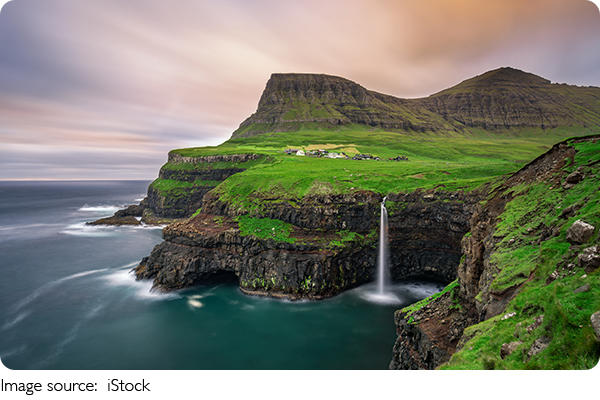
The Faroe Islands offer a memorable road trip through green valleys, rugged cliffs, winding roads, and small coastal villages. A local tourism initiative makes exploring the islands more exciting by providing self-guided routes that reveal destinations one stop at a time.
Travelers can enjoy the freedom of driving independently while discovering places they might otherwise miss.

A Road Trip Built Around Surprise
The self-guided road trip program has expanded with 15 additional routes, bringing the total to 45 itineraries. Each route introduces travelers to selected locations gradually, encouraging them to enjoy the journey rather than rushing between famous attractions.
The concept is straightforward. Visitors follow directions on their phones and receive information about their next stop as they progress. The routes are designed to highlight local knowledge and lesser-known destinations, making the experience feel more personal than following a conventional sightseeing checklist.
Craving ocean views and fresh coastal air? California's scenic trails offer stunning cliffs and hidden coves!
eady for a magical rail journey? Ride through stunning landscapes that bring Lord of the Rings dreams alive!
Borneo's lush rainforests, rare wildlife, and peaceful rivers offer an unforgettable nature escape!
Discover Indonesia’s peaceful island paradise: granite beaches, tropical forests and villages that invite you to slow down.
Discover pristine beaches, volcanic peaks and tropical rainforests in one of Africa's most peaceful island destinations.
From misty tea plantations to thrilling wildlife safaris, discover Sri Lanka's natural wonders on a seven-day adventure.
See More Than the Famous Viewpoints
The islands are known for dramatic scenery, but some memorable experiences can be found away from the busiest viewpoints. Eiðiskollur, for example, offers impressive coastal views, including the distinctive sea stacks known as Risin og Kellingin.
Other routes may lead through communities such as Leirvík and Árnafjørður, where visitors can appreciate the relationship between village life and the surrounding landscape. Quiet roads, mountain slopes, and views across the water create plenty of opportunities for photography and short walks.
Weather can change quickly in the North Atlantic, so flexible plans are helpful. Bring a waterproof jacket, wear comfortable walking shoes, and check local conditions before heading toward exposed coastal areas.
Faroe Islands
Enjoy the Islands at Your Own Pace
One advantage of traveling by car is the freedom to pause whenever the scenery invites a closer look. A short drive can include a village visit, a coastal viewpoint, and a walk through a green valley. Avoid scheduling too many stops in one day. Narrow roads, changing weather, and time spent enjoying viewpoints can make journeys longer than expected. Allow extra time for photographs and spontaneous breaks, while parking only in designated or safe areas.
Understand the Roads Before Driving
Roads, bridges, and subsea tunnels connect many of the Faroe Islands, making independent travel practical. Most main roads are paved, although some smaller village roads may have gravel surfaces. Drive with headlights on at all times and follow posted speed limits. General limits are commonly 50 km/h in built-up areas and 80 km/h on rural roads, but signs and local conditions take priority. Some tunnels charge tolls, so check the latest fees and payment arrangements before traveling.
Weather deserves particular attention. Fog, wind, and rain can reduce visibility, while sheep may sometimes appear near roads. Slow down when conditions deteriorate and never stop in a dangerous position to take photographs.
Estimate the Cost of Your Journey
The total budget depends on the season, rental choice, accommodation, and length of stay. As a general planning estimate, a rental car may cost around US$100–180 per day, while fuel could add approximately US$20–40 daily. Accommodation may range from about US$120–250 per night, and meals could cost US$35–70 per person each day. Tunnel charges may add roughly US$7–25, depending on the route and vehicle.
A self-guided road trip offers a flexible way to experience the Faroe Islands beyond their best-known sights. With 45 routes available through the expanded initiative, travelers have more opportunities to encounter coastal scenery, peaceful villages, and unexpected viewpoints.
Plan a realistic daily schedule, prepare for changing weather, and follow local road guidance. The most rewarding moments may come from taking a little extra time at an unplanned stop and enjoying the remarkable scenery along the way.