MIND Diet & Brain Health

Caroll Alvarado
| 12-10-2026
 · Information Team
Maintaining memory and clear thinking becomes increasingly important with age, making everyday food choices a growing focus of scientific research.
A September 2026 study suggests that following the MIND diet may be associated with healthier brain blood vessels, stronger cognitive performance, and better-preserved brain structure.
What the Researchers Discovered
Researchers examined more than 700 older without known dementia to investigate the relationship between dietary habits and brain health. Participants completed food questionnaires, underwent cognitive assessments, and received magnetic resonance imaging (MRI) scans.
The study, published in Alzheimer's & Dementia, found that people whose eating habits more closely followed the MIND diet tended to have healthier brain structures and better cognitive test results. Their scans also showed fewer signs of cerebral small vessel disease, a condition involving damage to tiny blood vessels that supply brain tissue.
Energy efficiency boosts profits in seven ways that most financial models overlook.
Can Europe’s banks keep pace with global rivals? New measures aim to strengthen the sector!
Could gentle shinbone tapping help injured brains recover? Animal studies reveal a surprising connection!
Can Europe grow stronger together? New financial plans aim to boost investment, banking, and resilience!
Why did fuel costs rise across Europe? August data shows sharp increases in diesel and petrol prices!
European consumers raised inflation expectations in August while income growth stayed steady!
Researchers observed that participants with stronger adherence to the diet had less evidence of small-vessel damage, larger overall brain volume, and fewer signs of white matter scarring. These findings suggest that the relationship between food choices and cognitive performance may partly involve the condition of the brain's circulation system.
Understanding the MIND Diet
MIND stands for Mediterranean–DASH Intervention for Neurodegenerative Delay. The eating pattern combines principles from the Mediterranean diet and the Dietary Approaches to Stop Hypertension (DASH) diet, emphasizing foods associated with cardiovascular and cognitive health.
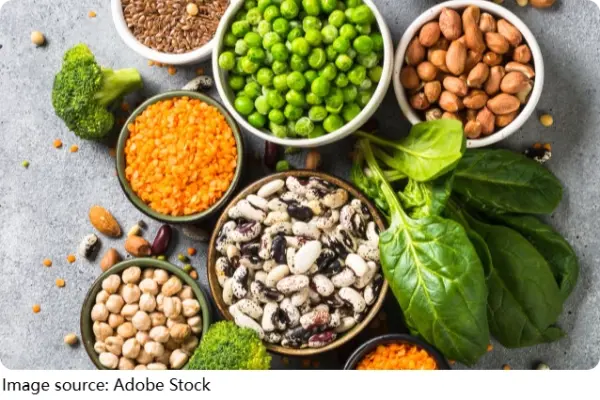
The approach encourages regular consumption of leafy green vegetables, berries, whole grains, beans, legumes, nuts, and olive oil. It also recommends limiting fried foods, pastries, sweets, butter, and processed red meat.
These choices provide a range of nutrients, including vitamins, minerals, fiber, and plant-based compounds. Leafy greens, for example, supply folate and other nutrients involved in normal cellular function, while berries contain polyphenols that researchers are investigating for their potential role in supporting healthy aging.
Why Brain Blood Vessels Matter
The brain relies on a continuous supply of oxygen and nutrients delivered through an extensive network of blood vessels. When these vessels become damaged or narrowed, the surrounding tissue may receive less effective circulation, potentially affecting memory, attention, and other cognitive abilities.
Cerebral small vessel disease can develop gradually and may be associated with changes in thinking and an increased risk of dementia. MRI scans can reveal indicators of this condition, including changes in white matter.
The study found that healthier dietary patterns were associated with lower levels of small-vessel disease and better-preserved brain structure. This offers a possible explanation for why participants who followed the MIND diet more closely also tended to perform better on cognitive assessments.
Researchers noted that these relationships remained significant after accounting for several factors, including physical activity, body mass index, and existing vascular disease. Nevertheless, additional studies are required to determine whether dietary changes directly improve these measurements over time.
Expert Insight
Lead researcher Puja Agarwal, an assistant professor of internal medicine at Rush University in Chicago, highlighted the strength of the association after statistical adjustments. Agarwal stated: “One of the most striking findings was that the relationship remained significant even after accounting for factors such as physical activity, body mass index, race and vascular disease.”
Practical Ways to Follow the Diet
Adopting the MIND diet does not require an immediate overhaul of daily meals. Adding leafy greens to lunch, choosing berries as a snack, including beans in soups, and replacing some refined grains with whole grains are practical starting points. Regularly preparing varied plant-based meals can also make the eating pattern easier to maintain. Consistency matters more than relying on a single so-called brain-boosting food.
The 2026 study links closer adherence to the MIND diet with healthier brain blood vessels, better-preserved brain structure, and stronger cognitive performance among older. These findings support growing scientific interest in dietary patterns as one potential contributor to healthy cognitive aging.
Because the research cannot establish cause and effect, further studies are needed to determine whether following the diet directly changes brain health over time. Even so, prioritizing vegetables, berries, whole grains, legumes, and other nutrient-rich foods offers a practical approach to supporting overall well-being as people age.