Tiny Plants for Gardens

Ravish Kumar
| 16-10-2026
 · Plant Team
Small plants can completely change the feel of a space without taking over a shelf, desk, or windowsill. A tiny planter can add color, texture, and a touch of nature to areas that might otherwise look plain.
The best part is that creating a miniature garden does not require a large collection. A few carefully chosen plants can provide plenty of variety while staying easy to arrange and care for.
Baby Tears
Baby tears are a charming choice for a small garden because of their tiny leaves and low-growing habit. The delicate foliage creates a soft, green appearance that works especially well in compact containers. This plant generally prefers bright, indirect light and consistently moist soil. Because its leaves are so small, the plant can lose moisture relatively quickly, so checking the soil regularly is helpful.
Want brighter blooms indoors? These beautiful bulbs can bring color and charm to any room!
Not every bouquet suits every vase! See how shape, height, and width affect your flowers!
From clean water to smart trimming, these tricks can help extend your bouquet’s beauty!
Why are sensitive "dancing " plants trending?
Morning glories face a climate dilemma: adapt to environmental shifts while still attracting dwindling pollinators.
Leafy houseplants often charm more people than blooming ones for simple, practical reasons
Baby tears can look particularly attractive in a shallow planter where the foliage is allowed to spread gently across the surface. Place it somewhere out of direct, harsh sunlight to help protect its delicate leaves.
Miniature African Violet
African violets are compact flowering plants that can bring color to a tiny garden. Their relatively small size makes them suitable for desks, shelves, and narrow windowsills. They prefer bright, indirect light and should be watered carefully. Keeping water away from the leaves can help prevent spotting and other problems. Allowing the soil surface to dry slightly between waterings can also help avoid excessive moisture.
Nerve Plant
Nerve plants are known for their small leaves marked with contrasting veins. Their compact growth makes them particularly useful for miniature gardens where foliage variety is more important than height. They generally prefer bright, indirect light and evenly moist soil. A dry environment can cause the plant to wilt, so regular attention to moisture is useful.
Because nerve plants stay relatively small, they can work well in terrariums or decorative containers. Their patterned leaves also provide a noticeable contrast against plants with plain green foliage.
Mini Succulents
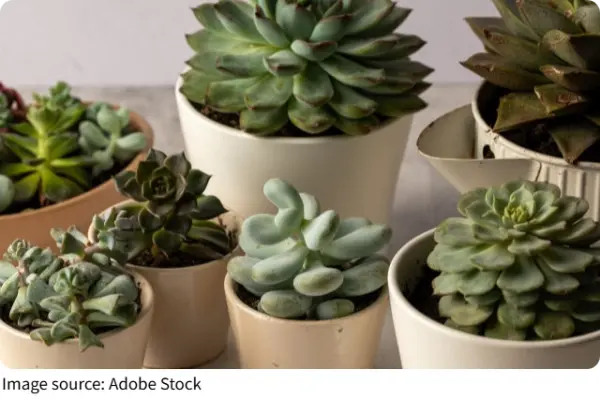
Small succulents are a practical option for people who prefer plants that do not need frequent watering. Their compact forms come in many shapes and textures, making it easy to create an interesting arrangement using several small varieties. Succulents generally prefer plenty of light and well-draining soil. Excess moisture can create problems, so avoid keeping the growing mix constantly wet.
A collection of small succulents can be arranged in individual planters or grouped in a shallow container. Leave enough room between plants to allow air circulation and prevent the arrangement from becoming overcrowded as they grow.
Peperomia
Peperomia is another excellent option for a small garden. Wide varieties remain compact and have attractive leaves with different shapes, colors, and textures. They generally do well in bright, indirect light and prefer soil that is allowed to dry somewhat between waterings. This makes them relatively convenient for spaces where daily plant care is not practical.
Peperomia works well on shelves or small tables because it adds substantial foliage without taking up much floor space. Combining a leafy peperomia with a tiny succulent or flowering plant can create a balanced miniature display.
Primrose Plant
A primrose plant can bring a cheerful burst of color to a small garden. Its flowers are available in several shades, making it easy to choose a variety that complements the rest of the display. Primroses generally prefer bright, indirect light and cooler conditions. Their soil should stay reasonably moist without becoming waterlogged. Regularly checking the growing medium is helpful, particularly when the plant is kept in a warm room.
How to Arrange a Tiny Garden
The plants themselves are only part of the display. Choosing containers of different heights and shapes can make a small collection look more interesting. However, keep the arrangement simple enough that each plant still has adequate space and access to suitable light.
Consider grouping plants according to their care needs. Plants that prefer bright light can share one area, while those that prefer gentler light can be placed elsewhere. This makes maintenance easier and prevents one plant from being forced into unsuitable conditions simply because it looks good beside another.
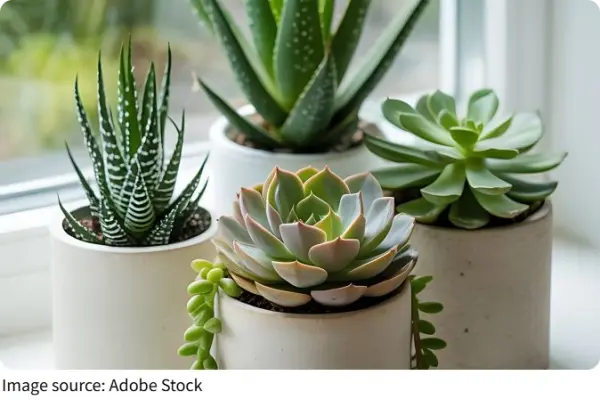
A cute garden does not need dozens of plants or a large amount of space. With just a few small planters, even a quiet corner can become a fresh and inviting garden space.