Why Sports Cars Sound Loud

Raghu Yadav
| 22-09-2026
 · Auto Team
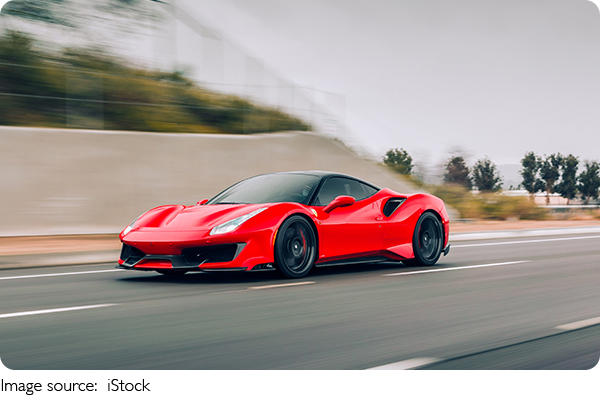
A sports car can sound noticeably louder than an ordinary passenger car, particularly during acceleration.
That sound is not produced by one component alone. Engine operation, exhaust design, tire-road interaction, airflow, and cabin construction all influence the character and volume people hear.
Engine Speed and Load
The engine is one of the main sources of vehicle sound. During acceleration, engine speed and load generally increase, which can raise mechanical and exhaust noise.
Engine configuration and power delivery also influence the character of the sound. As engine speed changes, the pitch and intensity can change as well, making acceleration one of the clearest moments to hear the engine's characteristics.
How wheel and tire dimensions shape handling, comfort, efficiency, wet-road traction, and fitment
A professional guide to preparing your vehicle for heat, sand, dust, and remote terrain
How driving, road conditions, tire age, and maintenance influence tire longevity and performance
Leaving Your Car Parked for Too Long? Simple Storage Steps Can Help Prevent Battery, Tire, and Maintenance Problems.
Should You Warm Up Your Car in Winter? These Situations Can Change How You Should Start and Drive Safely Outside.
How to match tire type, size, ratings, and maintenance to your driving needs
Exhaust Design
The exhaust system plays a major role in shaping engine sound. It carries exhaust gases away from the engine while components such as mufflers and resonators control and modify the resulting noise.
The layout, size, and configuration of the exhaust system can affect both volume and tone. This is why two sports cars with comparable performance can produce distinctly different sounds.
Tire and Road Noise
Tire-road interaction is another source of sound. As the tires roll across the pavement, their tread and construction generate noise that can become more noticeable as speed increases.
Road surface has a significant effect. Smooth pavement can produce less noise, while coarse surfaces can make tire sound more prominent. Tread design, tire construction, inflation pressure, and vehicle speed also influence the result.
Aerodynamic Noise
As speed rises, airflow becomes a greater part of the vehicle's overall sound. Air passing around mirrors, windows, body panels, openings, and other exterior features can create aerodynamic noise.
Sports car bodywork is engineered to manage airflow, so exterior design can influence both aerodynamic performance and the sounds produced while driving at higher speeds.
Cabin Design
The sound inside a sports car can differ considerably from the sound outside it. Insulation, windows, structural components, and the placement of major vehicle systems affect how sound reaches the cabin.
Some vehicles allow more of the mechanical sound to reach the driver, while others use additional sound insulation to create a quieter interior. These choices contribute to the overall driving experience.
Why Acceleration Sounds Louder
Acceleration brings several factors together. Engine speed and load increase, while vehicle speed can increase tire and aerodynamic noise. The exhaust system then shapes how much of the powertrain sound is transmitted outside the vehicle.
The result is a changing sound profile rather than a single source becoming louder. The exact balance depends on the vehicle's engineering, operating conditions, road surface, and speed.

Final Thoughts
A sports car's distinctive sound is created by the interaction of its powertrain, exhaust system, tires, aerodynamics, and cabin structure. Engine speed and load are particularly noticeable during acceleration, while road and airflow sounds become increasingly relevant as speed rises.
Understanding these individual sources explains why sports cars can sound different from ordinary passenger cars and why two performance vehicles can have completely different sound characteristics.