Why Red Pandas Love Trees

Declan Kennedy
| 19-10-2026
 · Animal Team
Red pandas may look perfectly comfortable on the forest floor, but their favorite place is often much higher up. With curved claws, flexible ankles, and a long tail for balance, these small mammals are remarkably suited to life among branches.
So why do red pandas spend so much of their time in trees? The answer comes down to safety, food, shelter, and a body built for climbing.
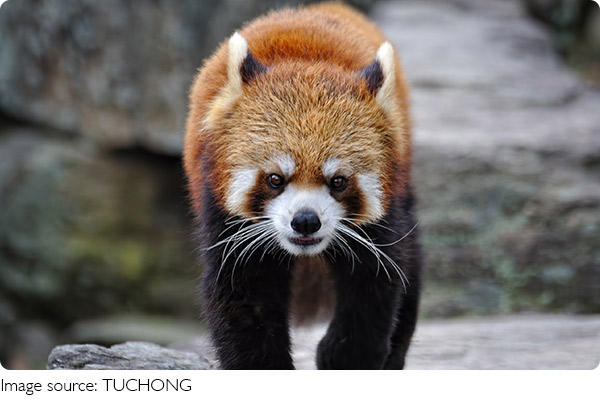
Trees Offer a Safer Place to Rest
For red pandas, tree branches provide a useful refuge from potential threats on the ground. Resting high above the forest floor can give them a greater sense of security, especially when they sleep during the day.
Red pandas are generally most active around dawn, dusk, and nighttime. During quieter daytime hours, they may settle on sturdy branches, often curling their bodies around them or finding a sheltered spot among the leaves.
These 8 Otter Facts Will Make You Fall in Love Instantly!
Red Pandas Are Disappearing: What Can Be Done?
Small, quick, and built for extremes. Meet the fennec, a fox that has mastered life in the desert.
A record 49 white stork chicks have been raised in a single season, giving Britain’s ambitious rewilding project a major boost.
Scientists are uncovering the rich world of whale communication.
What do sheep do when they feel safe? Relaxed movements and playful moments can be adorable!
Their reddish coat can also blend naturally with the forest environment, while the branches provide separation from activity below. For an animal that spends many hours resting, choosing a secure elevated spot makes practical sense.
Their Bodies Are Built for Climbing
One of the biggest reasons red pandas are such capable climbers is their physical design. Their feet have curved claws that help them grip tree bark and branches, providing traction as they move up or down.
An unusual feature is their flexible ankle joints. These allow red pandas to rotate their feet in ways that help them descend trees headfirst. Instead of carefully backing down, they can position their feet against the trunk and control their movement toward the ground. Their long, bushy tails are another useful tool. The tail helps with balance while moving across narrow branches and can also be wrapped around the body for warmth when resting.
Food Is Often Found Above the Ground
Trees are not simply a resting place for red pandas. They can also provide access to much of their food. Red pandas eat a diet centered largely on bamboo, along with other plant material and occasional small food items. In the mountain forests where they live, bamboo can grow on slopes and in areas connected to their preferred habitat.
Because their diet contains relatively little energy, red pandas need to spend considerable time feeding and resting. Staying close to suitable vegetation can reduce unnecessary movement and help them conserve energy. This connection between trees, vegetation, and shelter makes forest structure especially important.
Strong Grip, Careful Movement
Red pandas may appear gentle and slow when relaxing, but climbing requires impressive control. Their claws provide grip, while their flexible joints allow them to adjust their position on uneven surfaces.
They are also well adapted to moving through a three-dimensional environment. A branch that looks narrow or awkward to people can serve as a useful pathway for a red panda.
Trees Help With Temperature Control
Another advantage of spending time in trees is access to different resting conditions. Red pandas have thick, dense fur suited to cool mountain environments, but choosing the right resting spot still matters.
Branches can offer shade during brighter periods, while sheltered spaces among vegetation can reduce wind exposure. At other times, a sunny branch may provide a comfortable place to rest. Its bushy tail also plays a role in staying warm. When curled up for sleep, a red panda can use its tail around its body like a natural blanket.
Red pandas spend so much time in trees because the forest canopy meets many of their needs at once. It provides places to rest, opportunities to feed, protection, and a comfortable environment for an animal whose body is remarkably well suited to climbing.
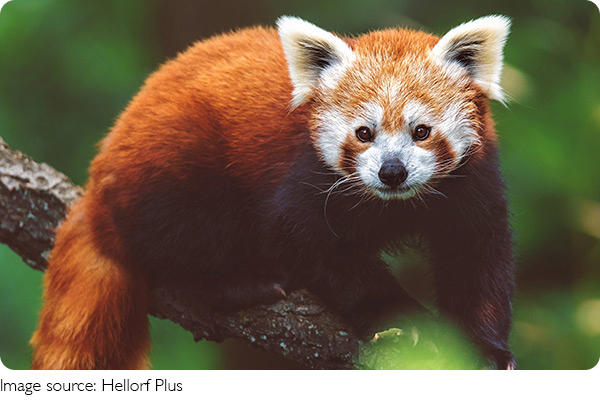
The next time a red panda is spotted curled up on a branch, that behavior is more than a cute pose. It is a practical part of a lifestyle shaped by the forest from the ground up.