Apple and Blueberry

Owen Murphy
| 31-08-2026
 · Food Team
Hello, readers. Plenty of fruit pairings sound healthy, but some are just pleasant combinations and nothing more.
Apples and blueberries work better than that because they bring different strengths to the same bowl. An apple gives you useful fiber, especially pectin from the flesh and skin, while blueberries add vitamin C, vitamin K, manganese, and a group of plant compounds called anthocyanins.
If you want a simple way to make fruit more filling and a bit more balanced, this pair does the job without any fuss.
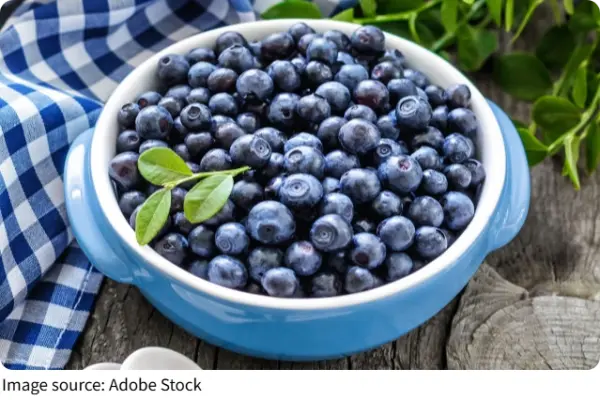
The nutrients cover different jobs
An apple is often the part that makes the snack hold you longer, but the blueberry side changes what you get nutritionally. One medium apple gives you fiber and vitamin C, and a cup of blueberries adds about 4 grams of fiber along with vitamin C, vitamin K, and manganese. That means you are not just doubling up on sweetness. You are getting two different fiber sources and a wider mix of micronutrients in one serving. If you eat the apple with the skin on, you keep more of that fiber and many of its plant compounds.
What lemons contain, and easy ways you can use the whole thing in daily food
A simple home method for cabbage rolls that stay tight, cook evenly, and do not fall apart
Get the water hot enough, time it properly, and your cup tastes clean instead of harsh.
Simple ways to choose apples and pears that are fresh, crisp, and full of flavor
A simple way to balance fruit and sugar, plus the steps that keep jam thick and bright
Easy picnic food combos that stay fresh, travel well, and keep your meal balanced outdoors
The color carries real value
A lot of people pick blueberries for taste, but their deep blue color points to something specific. Blueberries are rich in anthocyanins, the plant compounds that give them that dark blue tone. Apples bring their own polyphenols too, especially in the skin. Put the two together and you get a broader range of these naturally occurring compounds than you would from either fruit alone. If you are choosing between apple varieties, a red-skinned apple keeps that idea going because the skin contains many of the compounds you want to keep on the plate.
Easy pairings work better
The easiest way to eat apples and blueberries together is also one of the most useful. Chop one apple, add a cup of blueberries, and eat them as they are. That gives you crunch from the apple and softer texture from the berries, which makes the bowl feel less repetitive. If you want something a little more substantial, stir both into oatmeal. A diced apple softens as it cooks, while the blueberries burst and spread through the oats. Another simple option is to add them to plain yogurt, where the fruit gives sweetness and texture without needing much else.
Small choices change the result
You can make this pairing more helpful with a few concrete habits. Keep the apple skin on, because peeling removes a meaningful share of the fiber. Use fresh or frozen blueberries, because both keep much of their nutritional value. If you are blending them into a smoothie, do not strain it afterward, or you will throw away some of the fiber you were trying to get in the first place. And if you want the fruit to keep you satisfied longer, eat it with a meal or snack rather than drinking it alone as juice.
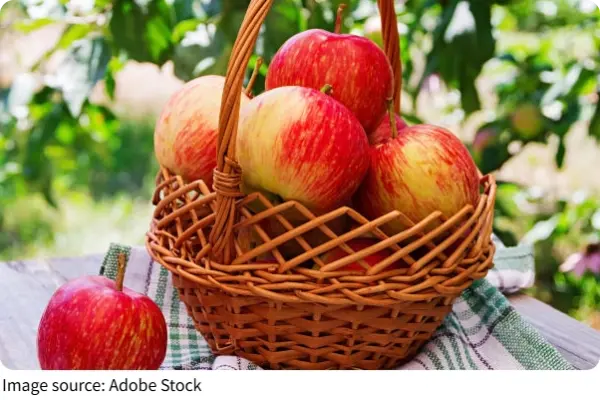
Apples and blueberries are easy to find, easy to combine, and stronger together than they look at first glance. You get fiber from both, vitamin C from both, and extra vitamin K, manganese, and anthocyanins from the blueberries. Keep it simple with a fruit bowl, oatmeal, or yogurt, and keep the apple skin on so you do not lose one of its main advantages. So if you want a practical fruit combo you will actually keep eating, start with one apple and a cup of blueberries and make that your regular routine.