Minimalist Kitchen Style

Finnegan Flynn
| 24-08-2026
 · Lifestyle Team
Greetings, Readers! A minimalist kitchen is not simply about removing everything from the counters. The real beauty comes from creating a space where every piece has a purpose, the layout feels effortless, and the overall atmosphere remains calm and uncluttered. Clean lines, practical storage, neutral colors, and carefully selected materials can make even a busy kitchen feel more peaceful.
Minimalist design also does not mean the kitchen has to look cold or boring. Warm wood, natural textures, soft lighting, and a few carefully chosen decorative pieces can add personality while keeping the room beautifully simple.
1. Choose a Sleek, Functional Layout
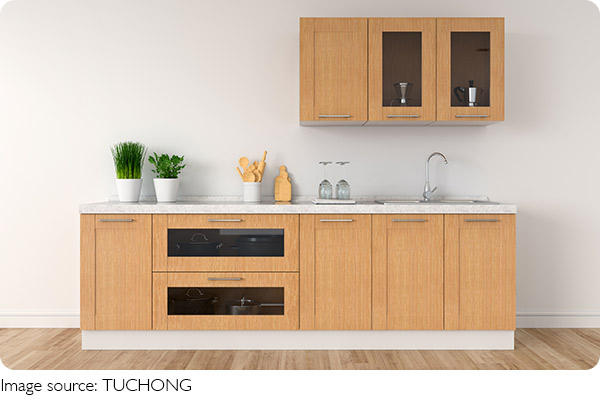
A good minimalist kitchen starts with the layout. Clear pathways and an organized arrangement make cooking and moving around the room much easier. Avoid filling every available area with furniture or appliances. Instead, focus on the pieces that are genuinely useful. A kitchen island can be a great addition when space allows, providing extra preparation space while also creating a natural center for the room.
A simple guide to choosing between minimal, natural, and vintage-inspired soft furnishing styles
Use lighting and soft furnishings together to make a room feel warmer, calmer, and more layered.
Simple ways to bring furniture, textiles, and decor together into one calm, cohesive room
Simple curtain color ideas to help each room feel brighter, calmer, cozier, and more pulled together
Simple sizing and layout tips to pair a living room sofa and coffee table without crowding the room
Can everyday living feel like a sunlit Mediterranean escape?
Keep frequently used areas easy to access and avoid placing unnecessary furniture where it interrupts movement. A simple layout often makes the kitchen feel larger and more comfortable.
2. Keep the Color Palette Simple
Neutral colors are a natural fit for minimalist kitchens. White, beige, gray, black, and soft earth tones can create a clean foundation without making the room feel visually busy. The key is to introduce warmth through materials rather than relying on lots of color. White cabinets paired with wood countertops, for example, can create a beautiful balance between crisp and cozy.
Stone surfaces can also add subtle texture, while natural wood cabinetry brings an organic quality to the space. Keeping the main palette restrained allows the materials themselves to become part of the decoration.
3. Make Storage Work Harder
Clutter can quickly ruin the calm appearance of a minimalist kitchen, which makes smart storage especially important. Hidden cabinets, pull-out drawers, and integrated appliances can keep everyday items out of sight while maintaining clean lines. Instead of leaving small appliances and kitchen tools scattered across the countertop, decide which pieces deserve to remain visible. Everything else can have a designated storage space.
Open shelving can still work in a minimalist kitchen, but it should be used selectively. Display a few attractive dishes, mugs, glassware, or serving pieces rather than filling every shelf. The empty space around them helps the kitchen maintain its airy appearance.
4. Select Simple Furniture and Fixtures
Furniture should complement the clean character of the kitchen rather than compete with it. Choose tables and chairs with simple shapes, smooth finishes, and practical proportions. A streamlined dining table can create a subtle focal point without overwhelming the room. Chairs with clean silhouettes can provide comfort while maintaining the minimalist aesthetic. Fixtures deserve the same attention. Simple cabinet handles, modern faucets, and uncomplicated lighting can make the kitchen feel polished without adding unnecessary decoration.
5. Add Warmth With Natural Details
Minimalism does not have to mean completely bare surfaces. Natural materials can make a simple kitchen feel much more inviting. Wooden cutting boards, woven baskets, ceramic containers, stone accessories, and linen textiles can introduce texture without creating visual chaos. A small plant or vase of greenery can also bring a fresh organic touch to the room. The goal is to use natural details sparingly. One beautiful wooden bowl or a small plant may have more impact than a countertop covered with decorative objects.
6. Keep Countertops Clean and Intentional
Clear countertops are one of the easiest ways to achieve a minimalist kitchen appearance. Rather than leaving every appliance and utensil within sight, keep only the items used regularly. A coffee maker, fruit bowl, or attractive cutting board can remain on display if it fits naturally into the design. Grouping a few useful pieces together looks more intentional than scattering them throughout the kitchen. Regularly removing items that no longer belong on the counter can also make the kitchen feel instantly fresher.
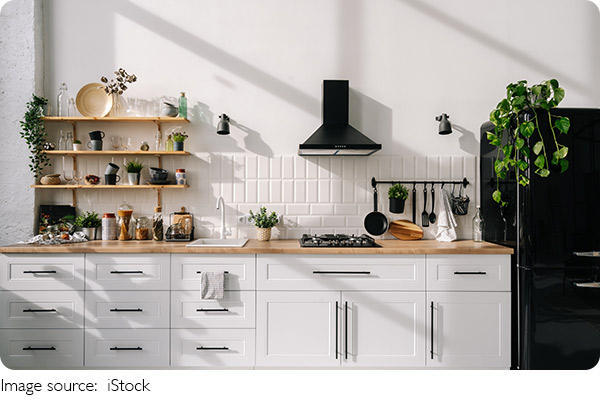
A minimalist kitchen is about more than appearance. A functional layout, smart storage, restrained colors, natural materials, and uncluttered surfaces can make everyday routines feel easier. The most inviting minimalist kitchens leave room for personality without allowing decoration to take over. Keep the essentials, choose pieces carefully, and let empty space become part of the design. The result can be a kitchen that feels modern, calm, practical, and genuinely comfortable.