Culpeo: Nature’s King?

Caroll Alvarado
| 30-09-2026
 · Animal Team
Welcome back, Readers! Have you ever imagined a fox-like predator surviving across South America’s mountains, deserts, forests, and icy landscapes? The culpeo is a remarkable hunter with long legs, sharp senses, and impressive adaptability.
As the largest fox-like predator in South America, it has mastered life in some of the continent’s toughest environments. Its unique survival skills make it one of the region’s most fascinating wild animals.
But the culpeo’s story is not simply about being a large wild canine. Its size, behavior, and survival skills are the result of millions of years of evolution, shaped by changing landscapes, competition, and the challenges of life across one of the most diverse continents on Earth.
Tiny squirrels bury endless treasures! Their amazing memory helps them find hidden food again!
Why would an elephant do this? The answer may surprise you!
Is the robin nature's first alarm? See why its song starts before sunrise!
Standing or lying down? The answer may surprise you! Here's why every second matters.
A gentle look at how living light works in nature and why so many sea creatures shine
Why giving food to stray animals on a whim can create bigger problems than it solves

An Ancient Lineage Among South American Canids
The culpeo (Lycalopex culpaeus) belongs to the South American canid group, a unique branch of the dog family that evolved separately from many fox species found in other parts of the world. Although people often call it a fox, the culpeo is not a true fox like the red fox of Europe and Asia. Instead, it is part of the genus Lycalopex, which includes several fox-like predators native to South America.
The ancestors of these animals arrived in South America millions of years ago, when changes in geography allowed different carnivores to spread across the continent. Over time, these early canids adapted to local conditions, developing different body shapes, hunting strategies, and diets.
Among these relatives, the culpeo became the largest and most powerful. Some individuals can weigh more than 10 kilograms, with large males being especially impressive compared with smaller South American fox-like species.
Why Did the Culpeo Become So Large?
The culpeo’s size is closely connected to the environments it occupies. Unlike smaller fox-like predators that focus mainly on insects, small rodents, and birds, the culpeo can hunt larger prey. Its powerful body allows it to target animals such as rabbits, rodents, birds, reptiles, and even young livestock when opportunities appear.
One major factor behind its evolution was competition. South America contains many different predators, including pumas and other carnivores that share parts of the same habitat. A larger body gave the culpeo advantages when searching for food and defending resources.
Its size also helps it survive in harsh environments. In the Andes Mountains, where temperatures can change dramatically between day and night, a larger body helps conserve heat more effectively than a smaller one. This adaptation allows culpeos to live at elevations exceeding 4,000 meters above sea level.
A Predator Built for Diverse Landscapes
One reason the culpeo is so successful is its ability to adapt to a wide range of habitats. It can be found from Ecuador and Peru through Chile and Argentina, occupying environments that include high mountain slopes, Patagonian grasslands, deserts, and temperate forests.
In the dry landscapes of Chile’s Atacama region, the culpeo survives where food and water are limited. In Patagonia, it moves through open plains where it hunts small mammals and searches for seasonal food sources. In the Andes, its thick fur and strong legs help it navigate rocky terrain and cold conditions.
This flexibility has allowed the culpeo to avoid depending on only one type of habitat. Instead, it has developed a generalist lifestyle, meaning it can adjust its diet and behavior depending on what resources are available.
The Hunting Skills Behind Its Success
The culpeo is an opportunistic hunter, meaning it does not rely on one specific prey animal. Instead, it takes advantage of many different food sources.
Its sharp hearing allows it to detect hidden rodents beneath vegetation or soil. Once it identifies movement, the culpeo can use its strong legs to quickly chase or pounce on prey. This hunting style is similar to other fox-like predators, but the culpeo’s larger body gives it extra strength when dealing with bigger targets.
It also plays an important role in controlling populations of smaller animals. By hunting rodents and other prey, culpeos help maintain balance within their ecosystems. However, their flexible diet has sometimes brought them into conflict with humans. In farming areas, culpeos may occasionally prey on poultry or young livestock, leading to disagreements between conservation efforts and agricultural interests.
Adaptation Through Changing Environments
The history of the culpeo is also a story of survival through environmental change. South America has experienced major shifts in climate, vegetation, and animal communities over thousands of years. Species that could adapt to these changes had better chances of surviving.
The culpeo’s ability to live in different regions shows how evolution can create versatile predators. Instead of becoming specialized for only one environment, it developed traits that allowed it to move between forests, mountains, and open landscapes. Its thick coat protects it from cold conditions, while its long legs help it travel efficiently across large territories. These features reflect a predator shaped by the demands of an unpredictable continent.
The Culpeo’s Role in South American Nature
Today, the culpeo remains one of South America’s most important native predators. It connects different parts of the ecosystem by influencing prey populations and competing with other carnivores.
Although it is not currently considered one of the continent’s most endangered mammals, habitat changes and human-wildlife conflicts continue to affect some populations. Protecting natural landscapes is essential for ensuring that this adaptable predator continues to roam the mountains, forests, and plains where it evolved.
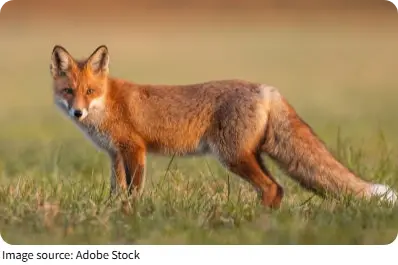
The culpeo became South America’s largest fox-like predator not through a single advantage, but through a combination of strength, adaptability, and evolutionary history. Its powerful body, flexible diet, and ability to survive in extreme environments have made it one of the continent’s most successful wild canids.
Culpeo 🦊 A Wild Dog You Didn't Know Existed | 1 Minute Animals
1 Minute Animals