Grow Lusher Plants

Chris Isidore
| 19-10-2026
 · Plant Team
Hi, Readers! If your ornamental plants look like they are doing the bare minimum, do not worry.
Plants can be a little like houseguests. Give them the right seat, the right snack, and a comfortable room, and suddenly they perk up like they own the place.
To help decorative plants grow more vigorously, the core ideas are simple: give them the right light, water with care, use suitable compost, feed during active growth, keep temperatures steady, and repot when roots run out of room. Get those basics right, and your plant shelf can go from sad windowsill drama to lush little indoor jungle.

Light comes first
Most ornamental plants grow better when light matches their needs. A bright spot suits many foliage and flowering houseplants, but strong direct sun can scorch the leaves of some varieties. Others tolerate lower light, though growth may slow and stems may stretch toward the window like someone trying to hear gossip from the next table. A good rule is to place plants where they get the level of brightness they prefer, then rotate the container from time to time so growth stays even rather than leaning heavily to one side.
Simple ways to help houseplants stay happy when sunshine is scarce
Match light, space, care level, and room conditions so your plant feels at home, not like a guest in a broom closet
Learn simple techniques for creating beautiful, balanced wildflower arrangements that look fresh, natural, and long-lasting
Simple techniques to help sunflowers grow strong, healthy, and produce vibrant blooms throughout the season
Want greener rooms without extra work? Try these easy indoor plants today!
Want fresher mint leaves? Try these easy growing steps and enjoy fuller harvests!
Water wisely, not wildly
Overwatering is one of the fastest ways to make a healthy plant miserable. Many ornamental plants prefer compost that is moist but not constantly soggy. Let the surface begin to dry when appropriate for the species, then water thoroughly so moisture reaches the root zone. After that, allow excess water to drain away rather than leaving the container standing in water. During cooler, darker periods, many plants need less watering. In warmer, brighter conditions, they often need more. In other words, do not water by habit alone. Water by checking the compost first.
Use the right compost and drainage
Healthy roots are the backstage crew of vigorous growth. If the growing medium stays airless and wet, roots struggle, and the whole plant shows it. A suitable houseplant compost gives support, moisture retention, and airflow. Containers also need drainage holes so that excess water can drain. That setup helps prevent root problems and keeps conditions balanced. If a plant has outgrown its current setup, moving it into a slightly larger container with fresh compost can give it a real boost.
Feed during growth
When ornamental plants are actively growing, regular feeding helps support leaves, stems, and flowers. A balanced houseplant feed used according to label directions is usually enough for many common indoor plants. Feeding is most useful in the active growing season, while many plants need little or none when growth slows. Think of feed as a helpful packed lunch, not an all-you-can-eat buffet. Too much can do more harm than good.
Keep conditions steady
Most indoor ornamental plants appreciate stable temperatures and dislike sudden swings. Keep them away from extremes such as very hot sunny glass, chilly drafts, or heat sources that dry them out. Humidity can also matter, especially for plants from tropical regions. Grouping plants together can help create a slightly more humid pocket of air around them. Wiping dust from leaves also helps them make better use of available light and keeps them looking fresh, rather than like they have been sitting on a forgotten shelf collecting kitchen fluff.
Repot, groom, and stay observant
A plant that has become root-bound may slow down because it simply has no room left to grow. Repotting into a slightly larger container can refresh it. Removing faded flowers and tired leaves also helps the plant direct energy where it is needed most and keeps the display neat. It also pays to watch for pests or signs of stress, such as yellowing leaves, weak growth, or wilting. Catching problems early is much easier than trying to rescue a plant that has already staged a full living-room protest.
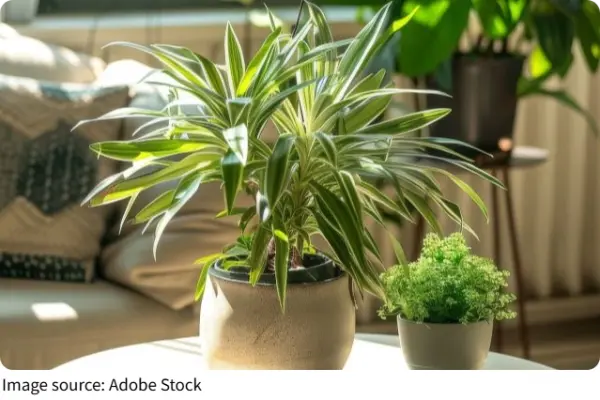
In the end, getting ornamental plants to grow more vigorously is less about magic and more about steady care. Give them suitable light, sensible watering, fresh compost, occasional feeding, and a comfortable place to live, and they will usually reward you with stronger, fuller growth. Take a quick look at your plants today, tweak one or two things, and you may be surprised how fast they start acting like the leafy stars of the room.